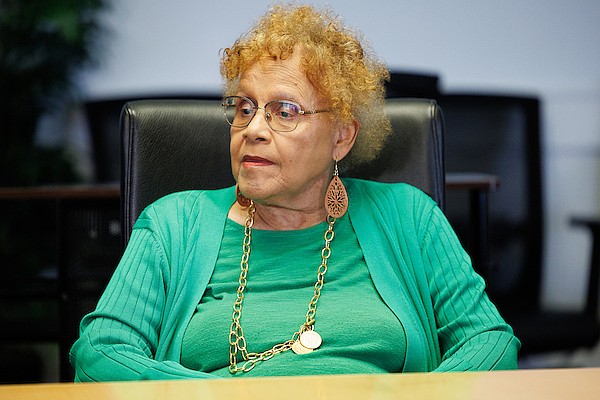
On Friday, at a public awareness exhibit hosted by the Bahamas Crisis Centre at Marathon Mall, senior officials and advocacy leaders sounded the alarm on a persisting public safety crisis in the island nation: widespread child sexual abuse and a fragmented system that continues to fail vulnerable young victims.
Centre director Sandra Dean-Patterson told attendees that in 2025 alone, more than 200 children between the ages of 3 and 17 reached out to the organization for support after surviving sexual violation, exploitation or assault. She noted that the victims included both boys and girls, and that in most cases, the abuse was perpetrated by someone the victims already knew, a common dynamic that complicates reporting and intervention.
The exhibit, focused on raising public consciousness around child sexual abuse and domestic violence, also served as a memorial to those who have lost their lives to gender-based violence. In her remarks, Dean-Patterson acknowledged one key area of progress: domestic violence-related fatalities have dropped steadily since 2000, when such violence accounted for 45 percent of all deaths in the country. Still, she emphasized that non-fatal abuse remains pervasive across the Bahamas – and, crucially, that most incidents are entirely preventable with intentional, coordinated action.
Dean-Patterson pushed back against popular, surface-level policy proposals that focus solely on harsher punishments for offenders, framing the approach as a hollow “easy fix” that avoids addressing core systemic failures. Instead, she argued, the priority must shift to improving investigations, building strong cases against perpetrators, and increasing the likelihood that offenders will be caught and held accountable. One of the most glaring gaps she highlighted is the nation’s continued lack of in-house capacity to process DNA evidence from rape kits, even as the country enters 2026. Decades of public discussion on the issue have not translated to change, she said, forcing Bahamian authorities to ship a limited number of kits to Florida for analysis – a bottleneck that derails countless investigations and lets abusers avoid justice.
Calling for broader systemic change, Dean-Patterson urged stronger public education campaigns, coordinated collective action across civil society and government, and expanded support from local media outlets to shift public norms and reduce abuse rates. She also noted that the centre invited all candidates running in the upcoming national election to attend the exhibit, saying she hopes elected leaders will prioritize this crisis after taking office and understand the long-term damage intergenerational violence inflicts on Bahamian children and communities.
Khandi Gibson, founder of the advocacy group Families of All Murder Victims, echoed Dean-Patterson’s calls for investment in education and early intervention. Gibson argued that every school-aged child in the Bahamas should receive age-appropriate education on personal boundaries, including how to distinguish safe, consensual “friendly touches” from inappropriate, harmful contact. Like Dean-Patterson, she highlighted chronic under-resourcing of victim support systems, calling for a dedicated national budget line to ensure consistent, reliable assistance for survivors of abuse and violence.