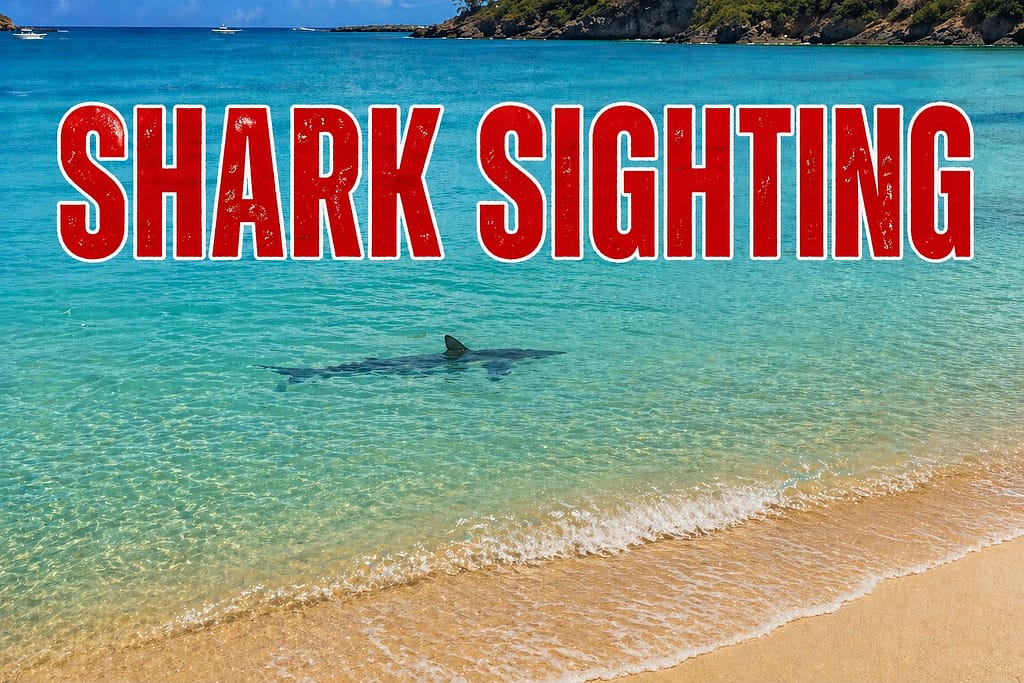
A recent shark sighting in the coastal waters off Ffryes Beach has sparked mild concern among local residents and visiting tourists, prompting a leading marine environment specialist to weigh in on the incident. Eli Fuller, a well-respected authority on Antigua and Barbuda’s marine ecosystems, has pushed back against growing anxiety by emphasizing that such encounters are far from an alarming anomaly. In a public statement addressing the recent observation, Fuller explained that sharks have long inhabited the coral reef and coastal habitats that surround the island nation’s shorelines. These apex predators play a critical role in maintaining the ecological balance of local marine environments, regulating fish populations and supporting healthy reef systems that draw tourists and sustain fishing communities alike. Fuller noted that shark sightings tend to become more noticeable during certain times of the year, when shifting ocean currents bring different fish populations closer to shore, drawing the predators in pursuit of their natural prey. He added that the majority of shark species found in these waters are not aggressive toward humans, and incidents of negative interaction are extremely rare. Fuller also urged beachgoers and water users to remain calm and practice basic caution, rather than panic. Avoiding swimming during early morning and late evening hours when sharks are more active close to shore, staying away from schools of fish, and refraining from entering the water if bleeding are all simple, effective precautions that reduce any already minimal risk. While the sighting has prompted some visitors to question the safety of Ffryes Beach, Fuller’s insight aligns with longstanding ecological data on shark populations in the Eastern Caribbean, reinforcing that human and shark coexistence is possible with proper awareness and respect for the natural marine environment.