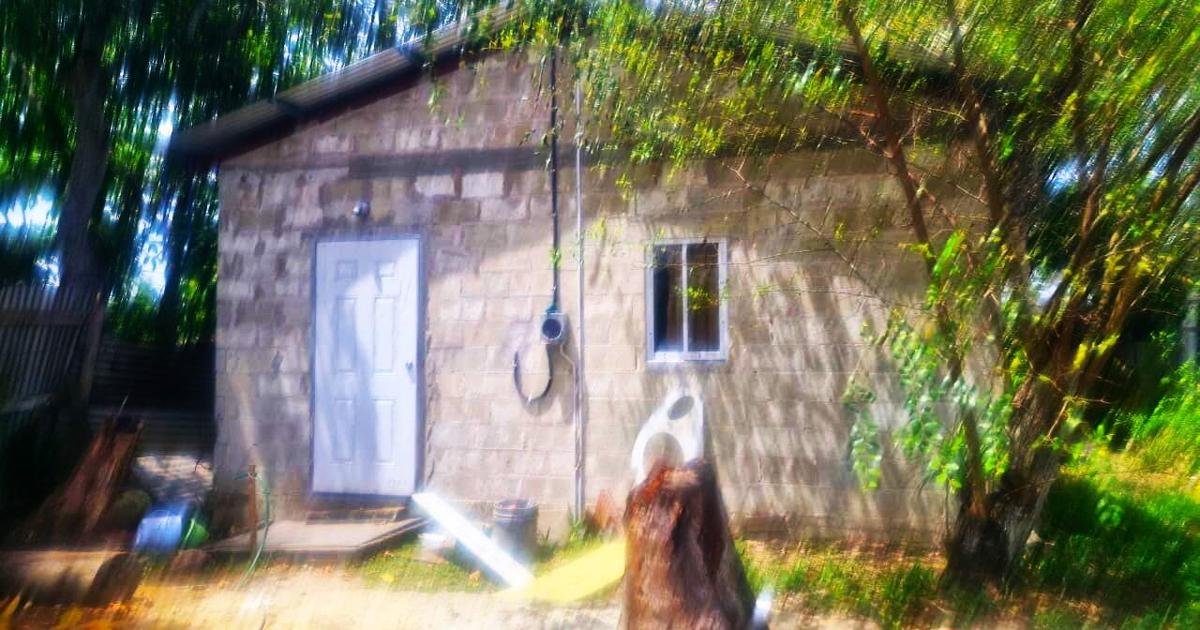
In the quiet neighborhood of Old Train Line in Corinth, a early-morning police response to a reported altercation has left a community in mourning and sparked urgent questions about the appropriate use of deadly force by law enforcement. Early Sunday morning, 45-year-old laborer Shivnath Jogie was fatally shot by officers inside his own residence, and pronounced dead shortly after arriving at San Fernando General Hospital.
According to initial official accounts from police, the team was dispatched to Jogie’s property around 1:30 a.m. to probe a report that Jogie had attacked a neighbor with a cutlass, inflicting chop wounds, during a dispute on his own land. During what police describe as a confrontation with the suspect, officers opened fire, striking Jogie. He was immediately transported to the regional hospital for emergency care, but medical staff were unable to save him.
However, Jogie’s family and neighbors have rejected the official narrative, pushing back hard on the circumstances that led to his death, and alleging that the encounter escalated unnecessarily and unjustly ended an innocent man’s life. Britney Francis, a relative of Jogie, has openly questioned why law enforcement resorted to lethal force when they arrived only to investigate a reported incident. Francis clarified that the incident prompting the visit was a dispute between Jogie and another resident on the street earlier that evening.
Francis has also raised a critical legal question rooted in Trinidad and Tobago’s 2025 Home Invasion (Self-Defence and Defence of Property) Act, popularly referred to as the nation’s “Stand Your Ground” legislation. The law explicitly grants people on their own property the legal right to defend themselves without a duty to retreat, and permits the use of reasonable force — including lethal force — when a person reasonably believes it is necessary to protect their life or property from criminal harm. Francis questioned whether Jogie was within his legal rights to act in self-defense if he perceived a threat to his property.
In blunt terms, Francis described the shooting as an extrajudicial killing: “This was an execution. It was a straight shot to his face. If the police did their job properly, he might not have been dead today. They shot him in his face, a single gunshot wound.”
By Sunday morning, dozens of neighbors had gathered near Jogie’s home to express solidarity with his family and back their calls for a full, independent probe of the officers’ actions. One witness to the confrontation called the shooting a heartless, cruel injustice and a fundamental failure of policing. “It was traumatising to see someone getting killed in their own home for defending themselves,” the neighbor said.
Another long-time resident who has known Jogie since childhood described the fatal shooting as “unjust,” pushing back against any implication that Jogie was a habitually violent person. “I grew up with him and when he drink alcohol, he would talk plenty. He was not a violent guy at all, he didn’t keep no grudges. He was a good fella,” the resident said. “This is the first time that we have experienced something like this in his district. We want a proper investigation.”
In addition to calling for a full investigation, Francis also urged policy change, saying that mandatory body camera use for all police officers should be required to add transparency and accountability to law enforcement interactions. The community remains united in its demand that every detail of the shooting be brought to light to deliver justice for Jogie.