Against the backdrop of global economic volatility sparked by escalating tensions between the United States and Iran, the Dominican government has announced that its specially designed economic mitigation plan and targeted measures have delivered positive results, helping the nation navigate a series of mounting economic challenges in recent weeks.
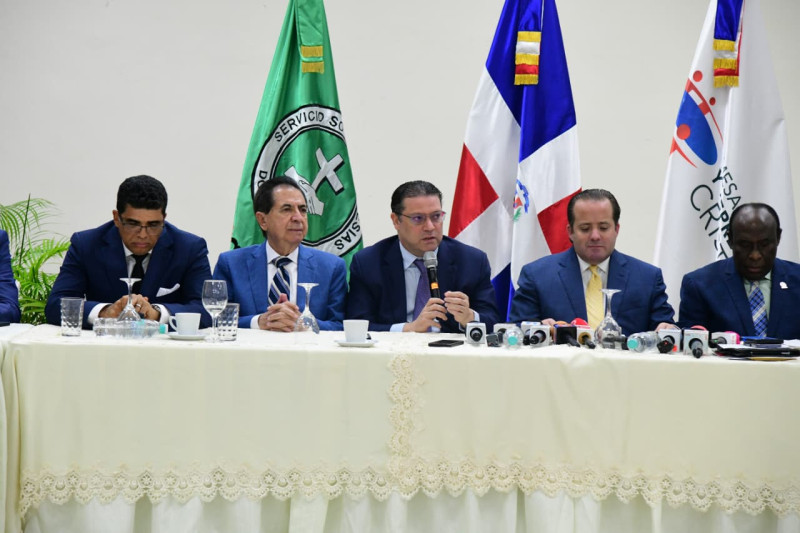
The announcement came following a closed-door meeting between a government-led commission and representatives of the Dominican evangelical church. Speaking on behalf of the administration, Eduardo (Yayo) Sanz Lovatón, the country’s Minister of Industry, Commerce, and MSMEs, confirmed that the undisclosed strategic plan has driven a 5% expansion of the Dominican economy through the month of March.
Lovatón emphasized that even amid the broader international crisis, the government’s interventions have performed as intended, producing tangible gains for the national economy. Beyond overall growth, the measures have successfully curbed runaway inflation, shielded domestic production networks from external shocks, and delivered a historic milestone for the country’s trade sector: March 2025 marked the highest monthly export volume in Dominican Republic’s recorded history.
While acknowledging that policymakers cannot anticipate every future economic shift, Lovatón noted that disciplined implementation of the special measures has already allowed the country to push past multiple unforeseen obstacles. He added that March’s growth rate was the strongest recorded in 17 months, a statistic he says reflects well on the current administration’s crisis management capabilities, even as officials remain committed to proceeding with deliberate caution amid ongoing global uncertainty.
The intersectoral dialogue commission, operating under direct instructions from Dominican President Luis Abinader, has now held roughly five consultations with stakeholders across all segments of Dominican society, including political opposition leaders, private business association representatives, and religious groups. Throughout these sessions, the commission has collected and reviewed hundreds of policy proposals from participants.
José Ignacio Paliza, Minister of the Presidency, confirmed that the administration has already integrated a number of these public suggestions into its official crisis response framework. For example, following a previous meeting, stakeholders proposed expanding access to affordable financing for small and medium-sized agricultural enterprises, a policy the government has already begun rolling out. Paliza explained that each consultation brings fresh perspectives and insights that allow the administration to refine its approach, addressing gaps that may have been overlooked in initial planning.
Going forward, both Lovatón and Paliza confirmed that the inclusive dialogue process will continue. The commission’s next session, scheduled for the following Monday, will bring together leaders from the country’s major labor unions to hear their priorities and proposals. Lovatón noted that the government will maintain its practice of regular consultation with business, political, labor, and religious sectors, and will continue to release public updates on policy adjustments as the administration works to sustain economic progress through the ongoing crisis.