As Antigua and Barbuda gears up for its 2026 General Elections on April 30, the Organization of American States (OAS) has finalized preparations to deploy its fifth independent Electoral Observation Mission (EOM) to the twin-island nation, scheduled to begin field work days ahead of polling day on April 23. This year’s international observation effort is being led by Maricarmen Plata, a former OAS Secretary for Access to Rights and Equity, and brings together 17 seasoned election experts and observers drawn from 11 different countries across the globe.
Unlike broad, unfocused monitoring efforts, the 2026 mission has outlined clear priority areas for its assessment, centering on five core components of the electoral process. Observers will examine the operational efficiency of electoral organizing bodies, the security and functionality of digital and analog electoral technology systems, the independence and fairness of electoral judicial bodies, the transparency of political campaign financing, and barriers or enablers of equal political participation for women. These targeted focus areas are designed to deliver a nuanced, actionable assessment of the election’s integrity.
In the week leading up to the April 30 vote, Plata and her full team will hold a series of consultations with a broad cross-section of national stakeholders to collect input from all sides of the political spectrum. These meetings will include sitting government officials, independent electoral commission leaders, representatives from all major and minor registered political parties, competing election candidates, and civil society and grassroots organization leaders. The goal of these pre-election discussions is to capture diverse perspectives on the pre-voting climate and identify potential points of concern before polls open.
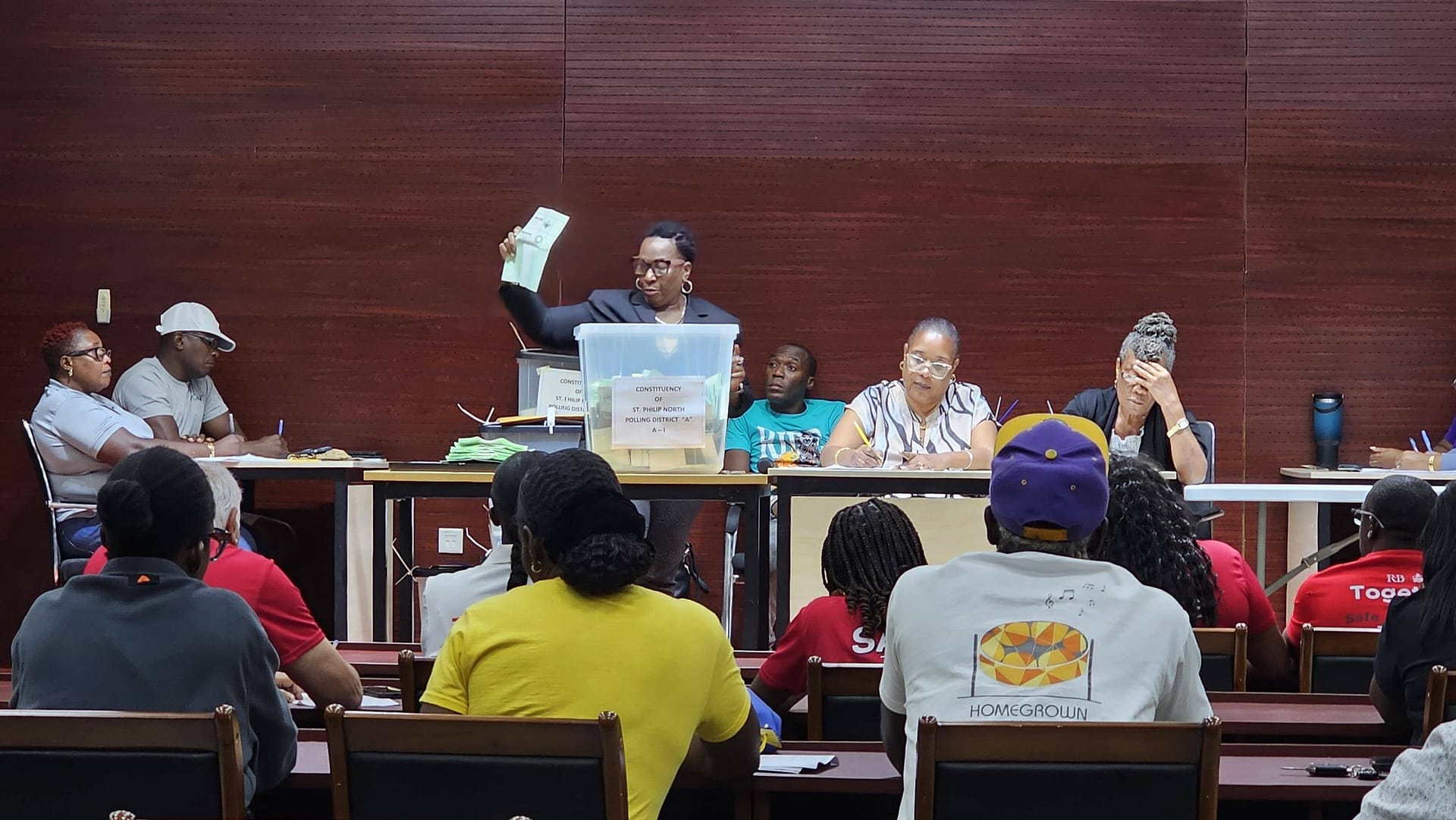
On Election Day itself, observers will be deployed to polling stations across the country to monitor every phase of the voting process, from the opening of polling locations in the early morning, through in-person and absentee voting activities, all the way to the final tabulation of results and their official transmission to national electoral authorities. This end-to-end monitoring allows the mission to spot irregularities or procedural issues that may arise on voting day.
After the conclusion of the election, the OAS EOM will publish a public First Report that lays out all of its on-the-ground observations and includes targeted recommendations to strengthen Antigua and Barbuda’s democratic institutions and electoral frameworks moving forward. The entire deployment of the mission is made possible through financial contributions from a coalition of international donors, including the governments of Colombia, the Dominican Republic, Peru, South Korea, and the United States.