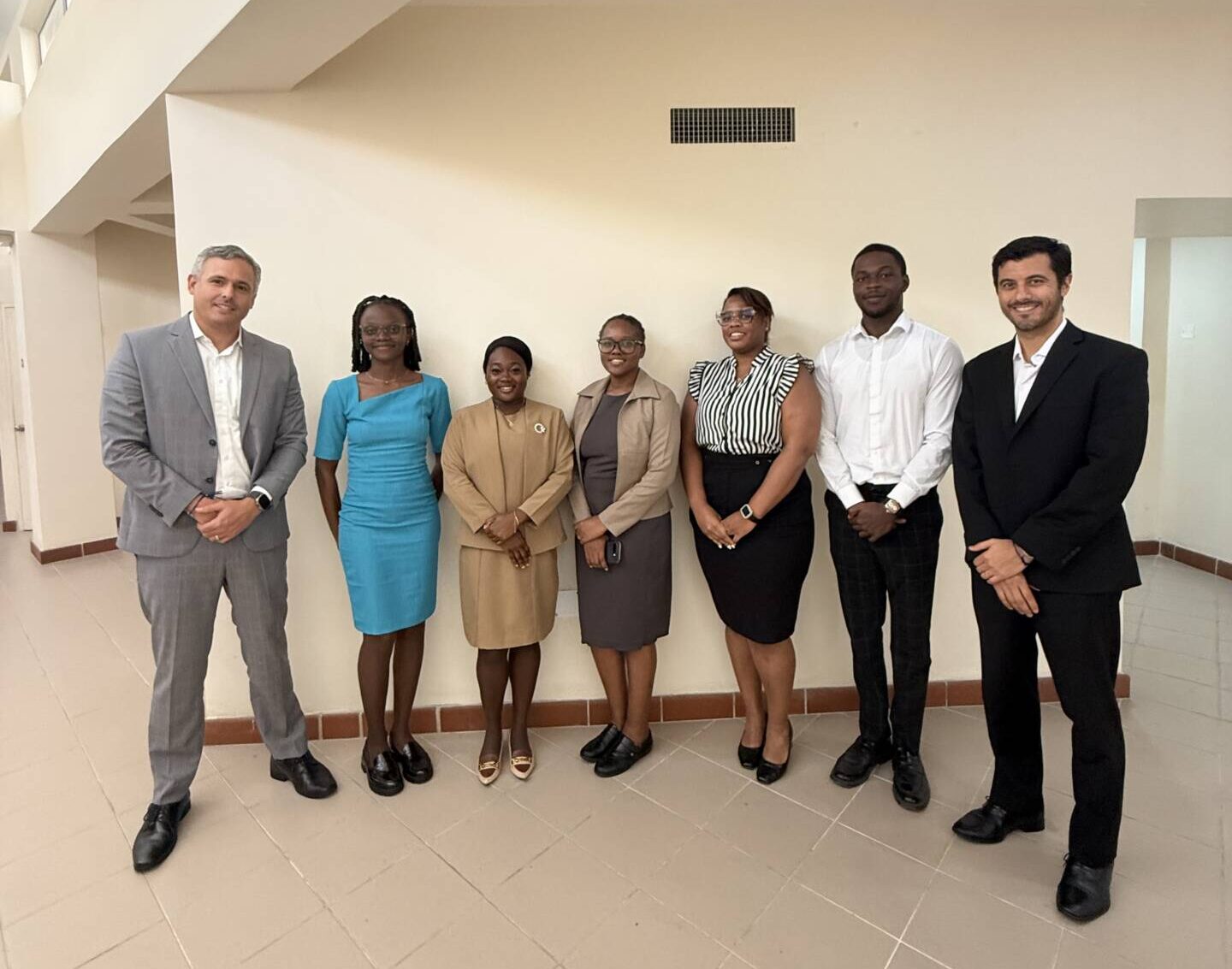
Against a backdrop of rising global economic, climate and geopolitical uncertainty, small island economies across the Caribbean are prioritizing robust fiscal governance to sustain growth and resilience. At the forefront of this regional movement is Grenada’s innovative Medium-Term Fiscal Framework (MTFF), which has been selected as a centerpiece model for the Caribbean Regional Technical Assistance Centre’s (CARTAC) ongoing regional capacity-building initiative. Designed as the government’s core fiscal planning instrument, the MTFF operates on a three-year rolling cycle that guides public expenditure strategy, sovereign debt management, and broad macroeconomic stabilization, embedding a disciplined, forward-looking culture into national fiscal policy decision-making. Recent macroeconomic performance has underscored the effectiveness of this framework. In its April 2026 World Economic Outlook report, the International Monetary Fund (IMF) estimated that Grenada’s real gross domestic product expanded by 4.4% in 2025, and projects steady 3.1% growth for both 2026 and 2027. This places Grenada among the fastest-growing economies in the Caribbean, a track record that the IMF attributes in large part to the consistent, disciplined fiscal approach anchored by the MTFF. Building on this strong economic momentum, Grenada is set to host an in-person regional fiscal policy workshop from April 27 to 30, 2026. The gathering will bring together senior fiscal policy analysts and technical fiscal officers from 13 Caribbean jurisdictions, with a shared goal of strengthening regional institutional capacity, entrenching cross-border fiscal discipline, and upgrading regional fiscal risk management frameworks. Over the four-day event, participants will work directly with international fiscal experts, conduct a hands-on case study of Grenada’s operational MTFF, and exchange actionable lessons across countries on fiscal planning, macroeconomic forecasting, and systemic risk assessment. The upcoming workshop builds on a recent CARTAC technical assistance mission to Grenada, held from March 25 to April 1 this year. During that mission, technical teams focused specifically on integrating the IMF’s Fiscal Risk Assessment Tool (FRAT) into Grenada’s national budgeting processes, and deepening the analytical rigor of the country’s existing fiscal risk management systems. Working in close collaboration with specialists from the IMF’s Fiscal Affairs Department (FAD), the Macroeconomic Policy Unit (MPU) within Grenada’s Ministry of Finance advanced key updates to the MTFF through intensive, on-the-ground technical collaboration. Chevanne Britton-Telesford, Deputy Permanent Secretary of Grenada’s Ministry of Finance, emphasized the framework’s central role in protecting the country’s economic stability and advancing long-term inclusive development. “The MTFF is a critical tool guiding fiscal decision-making in Grenada, ensuring that the economy remains resilient in the face of increasing economic, climate, and geopolitical uncertainties,” Britton-Telesford said. “By providing a clear and structured approach to budgeting, the framework strengthens accountability and reinforces a people-centred approach to public finance management. It ensures that we balance economic sustainability with long-term nation-building, while advancing our national development priorities and supporting the personal development and well-being of every Grenadian.” As member states of the Eastern Caribbean Currency Union (ECCU) work collectively to upgrade their own medium-term fiscal planning systems, Grenada’s successful implementation of the MTFF highlights the tangible value of coordinated, risk-informed policymaking for small open economies. Through sustained technical collaboration with regional and international partners, and a firm commitment to deepening regional economic integration, Grenada is actively contributing to the adoption of harmonized, evidence-based fiscal practices across the ECCU, and supporting the build-out of collective economic resilience for all member states. Today, Grenada continues to strengthen its institutional capacity to anticipate, quantify, and mitigate a broad range of fiscal risks, while improving the credibility of its fiscal projections and policy decisions. This progress has earned international recognition: IMF Executive Directors recently praised Grenada for its effective navigation of elevated global uncertainties, noting that the country’s proactive fiscal governance has been key to its sustained economic momentum. Ultimately, this ongoing work to refine the MTFF and share its lessons across the region does more than strengthen Grenada’s own economic foundations. It equips the government to plan responsibly for the future, deliver sustained social and economic benefits to all Grenadian citizens, and set a benchmark for effective fiscal management across small island developing states. Reported by the Ministry of Finance, Grenada. Disclaimer: NOW Grenada is not responsible for the opinions, statements or media content presented by contributors. In case of abuse, click here to report.