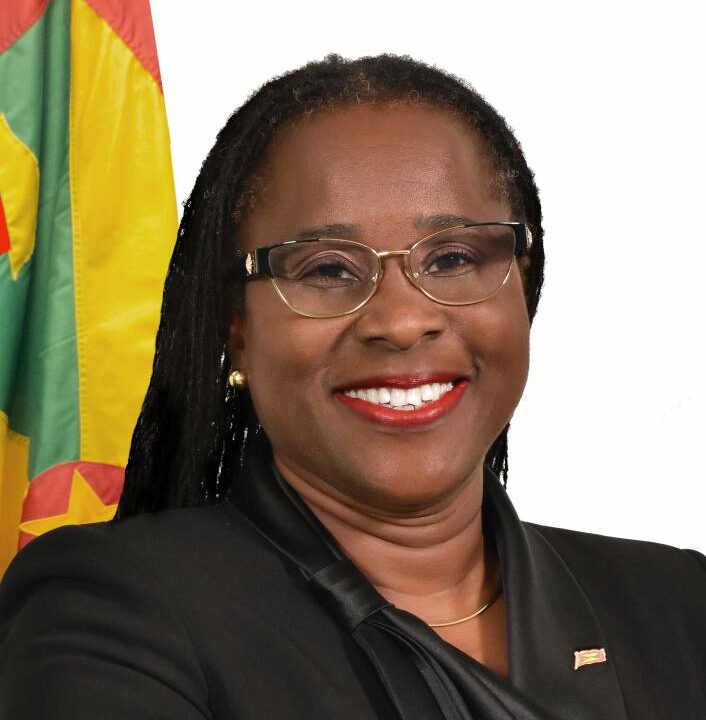
Grenada is set to launch a sweeping five-year national labour transformation initiative this May Day, alongside marking the holiday’s first-ever celebration on the country’s sister island of Carriacou, Attorney General and Labour Minister Claudette Joseph confirmed following a recent Cabinet meeting in St. George’s.
The centerpiece of the reform agenda is the Decent Work Country Programme (DWCP) for 2026–2031, a collaborative framework developed through tripartite negotiations between government, employer representatives, and worker bodies, with technical guidance from the International Labour Organisation (ILO). The initiative is designed to align targeted labour market improvements with Grenada’s broader national development goals, addressing longstanding gaps that have held back inclusive economic growth.
According to Joseph, the programme targets three core priority areas to upgrade Grenada’s labour ecosystem. The first focuses on strengthening overall labour market functionality through coordinated policy governance and expanded institutional capacity, with the goal of building a more skilled, productive national workforce. A key deliverable already in advanced planning is the new Public Employment Services Agency, which will streamline job matching by connecting unemployed workers to open positions matching their skills, while helping employers source qualified candidates. The government is also working to boost the quality and relevance of the country’s Technical and Vocational Education and Training (TVET) system, to smooth transitions for graduates moving from training programs into full-time employment.
The second priority area centers on expanding formal, decent work opportunities across key economic sectors, with a particular focus on Grenada’s vital tourism and hospitality industries. The programme will roll out targeted business development support to drive increased formalisation of employment, raise productivity, and improve working conditions through sustained social dialogue between industry stakeholders.
The third priority focuses on reinforcing fundamental labour protections for all workers across the country. To advance safe working conditions, a new draft Occupational Safety and Health Bill is already undergoing intergovernmental review, with plans to implement the legislation in the near term. The government is also moving to strengthen national labour dispute resolution systems, with a tripartite-agreed action plan to upgrade the institutional framework for resolving workplace conflicts.
In a landmark change to family leave policies that has been greenlit by Cabinet, Grenada will extend paid maternity leave from 12 weeks to 14 weeks, and introduce two weeks of paid paternity leave for new fathers for the first time in the country’s history. Adoptive parents will also be eligible for the same leave benefits under the new policy. Government officials are currently finalizing amendments to the National Insurance System (NIS) Act and Employment Act, which will be tabled for parliamentary approval in the coming weeks.
Multiple components of the DWCP are already underway with continued support from the ILO, and Cabinet has approved a dedicated subcommittee under the Labour Advisory Board to oversee full implementation of the programme. Joseph expressed strong confidence that the ambitious reform agenda is fully achievable, noting that if delivered as outlined, it will fundamentally reshape employment structures and worker protections across Grenada for years to come.
Alongside the launch of the reform plan, this year’s May Day celebrations will make history as the first time the national holiday event is hosted on Carriacou, after being held exclusively on mainland Grenada in previous years.