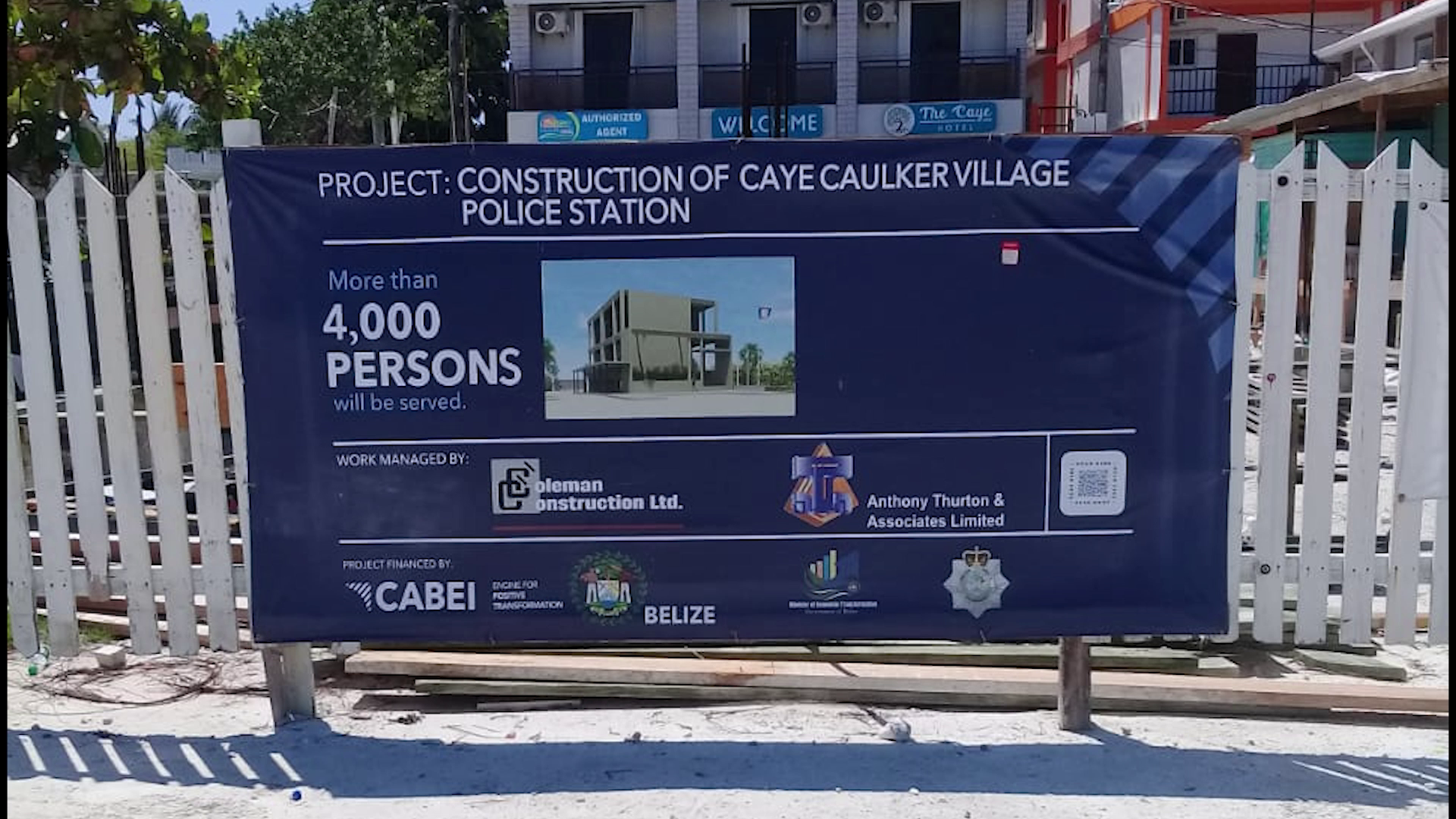
On April 22, 2026, the ongoing debate over the proposed sale of public land allocated to the Caye Caulker police substation has escalated into a sharp political clash in Belize. During a press conference held by the United Democratic Party (UDP), Senator Gabriel Zetina, the party’s caretaker for the Belize Rural North constituency, launched pointed criticism against Area Representative Andre Perez from the ruling People’s United Party (PUP), calling out what he says is a severe lack of transparency and accountability surrounding the planned transaction.
According to Zetina, local residents of the popular island community of Caye Caulker were intentionally given misleading information about the proposed land sale. He emphasized that the cancellation of the deal was not the result of proactive government action, but came exclusively from sustained public pressure and mass grassroots protests organized by community members who opposed the transfer.
In his remarks at the press conference, Zetina referenced Perez’s recent public comments, in which the area representative admitted a formal purchase offer had been submitted and that he had supported opening negotiations over the sale. “What the people of Caye Caulker demanded from the start was transparency and honesty, not transparency that only comes out after you’ve been caught hiding the facts,” Zetina stated. “Now we’re seeing deflection and distraction instead of accountability, and that is completely unacceptable. Residents were explicitly promised a new, upgraded facility for the police substation in exchange for this deal. If the people of Caye Caulker had not stood together, organized, and taken their demands to the streets, there is no question the PUP government would have completed the sale of this public land.”
Currently, the parcel of land in question is formally registered under the name of the Belize Police Department. Zetina has made a formal demand that the ownership of the land be transferred immediately to the Caye Caulker Village Council, placing the public asset under direct local community control to prevent any future attempts at private sale. This news piece is a direct transcript of an evening television broadcast, with all Creole-language statements transcribed using a standardized spelling system for accessibility.
The controversy highlights ongoing tensions between political parties in Belize over public land management and community access to government information, with grassroots activism forcing a major policy reversal on the popular tourist island.