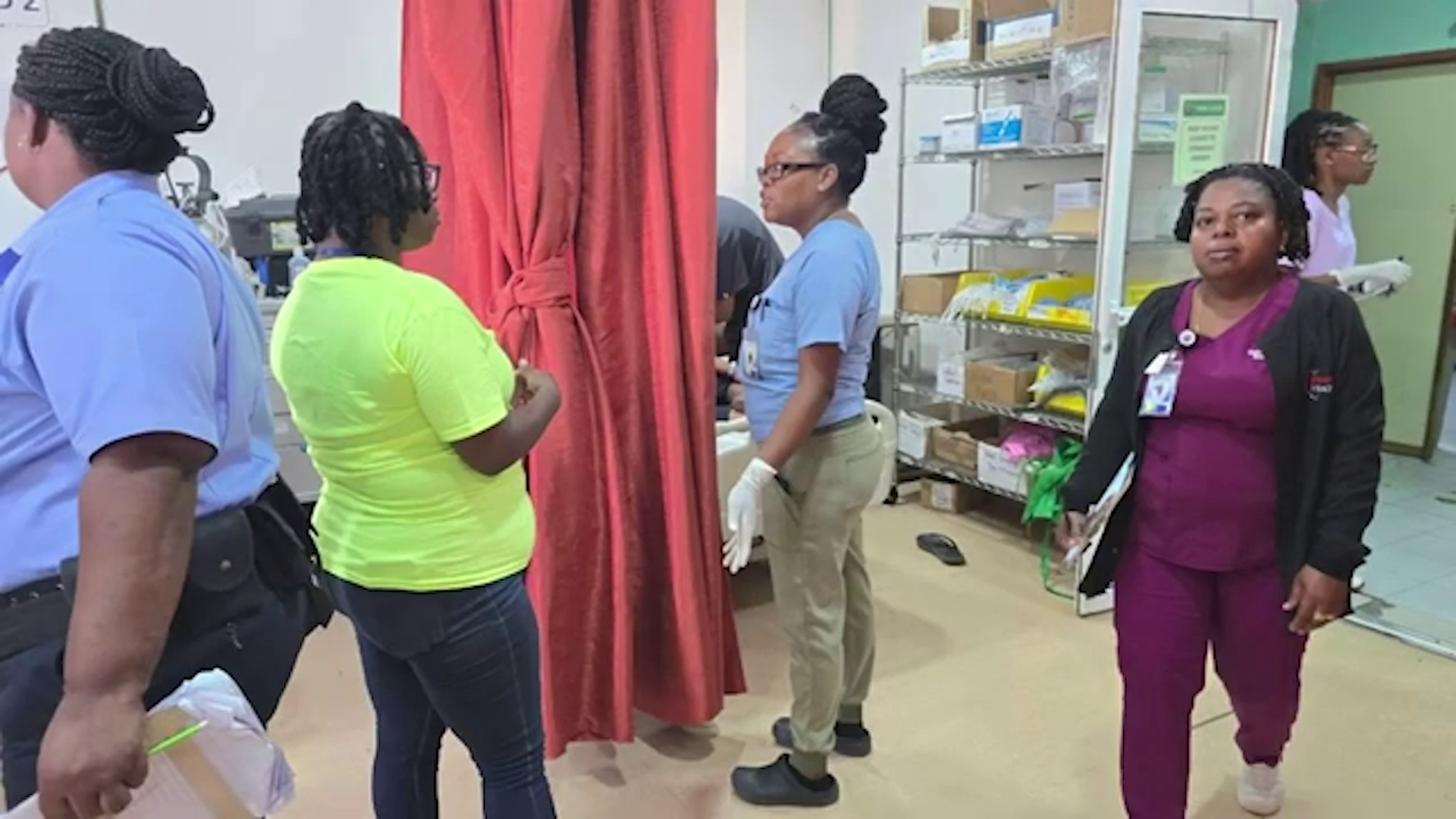
Belize’s government has introduced a new nurse retention initiative aimed at halting the widespread outflow of nursing professionals from the country’s healthcare system, but the policy is already facing sharp criticism for its narrow scope that leaves critical segments of the national nursing workforce excluded from benefits.
Leading the charge against the plan is Andrew Baird, former executive director of the Nurses Association of Belize, who argues the retention package incorrectly limits incentives exclusively to general public sector nurses, cutting out entire groups that form the backbone of Belize’s healthcare delivery every single day. In Baird’s view, if the government’s stated goal of stabilizing the national healthcare workforce is to be achieved, retention benefits must be extended to three underrepresented groups: nursing staff at Belize’s flagship Karl Heusner Memorial Hospital (KHMH), nurses working at National Health Insurance (NHI) clinics, and all practicing nurses in the private healthcare sector.
Baird warns that excluding these groups will trigger a damaging cascading effect across the entire healthcare ecosystem. First, underpaid nurses from excluded sectors will leave their current posts to take up public sector roles that offer the new retention benefits, opening up critical gaps in private hospitals, clinics, and the national tertiary hospital. Worse, the unrestricted cross-sector movement will clear a simpler path for experienced, trained nursing professionals to leave Belize entirely for higher wages and better working conditions in other countries, worsening the national nursing shortage.
“The Nurses Association has a responsibility to negotiate for every nurse across Belize, not just those employed directly by the public service,” Baird explained. “The Minister of Health and the Ministry’s CEO must ensure that any policy brought to Cabinet and any legislation passed includes private sector nurses. Right now, if the bill stays as it is, we will see low-wage private nurses abandon private hospitals to move to the public sector, which will create a whole new set of crises for private healthcare facilities. To create a fair, balanced labor market for all nursing professionals, the package must be fully inclusive.”
Turning specifically to KHMH, the country’s only national tertiary care facility, Baird noted that nursing staff at the hospital already carry an extraordinary workload: they serve not only as the national referral center for complex care across Belize, but also function as the primary secondary hospital for the entire Belize District, meaning they work far more demanding hours than many other public sector nurses across the country. Even now, the hospital is already seeing nurses leave for other public sector roles, and the exclusion from the retention package will only accelerate this harmful outflow, Baird said.
Baird’s overall assessment is uncompromising: by targeting retention support to just a subset of the nation’s nurses, the government will end up solving one small problem while creating a far larger crisis across the entire healthcare system, ultimately putting patient care across Belize at risk.