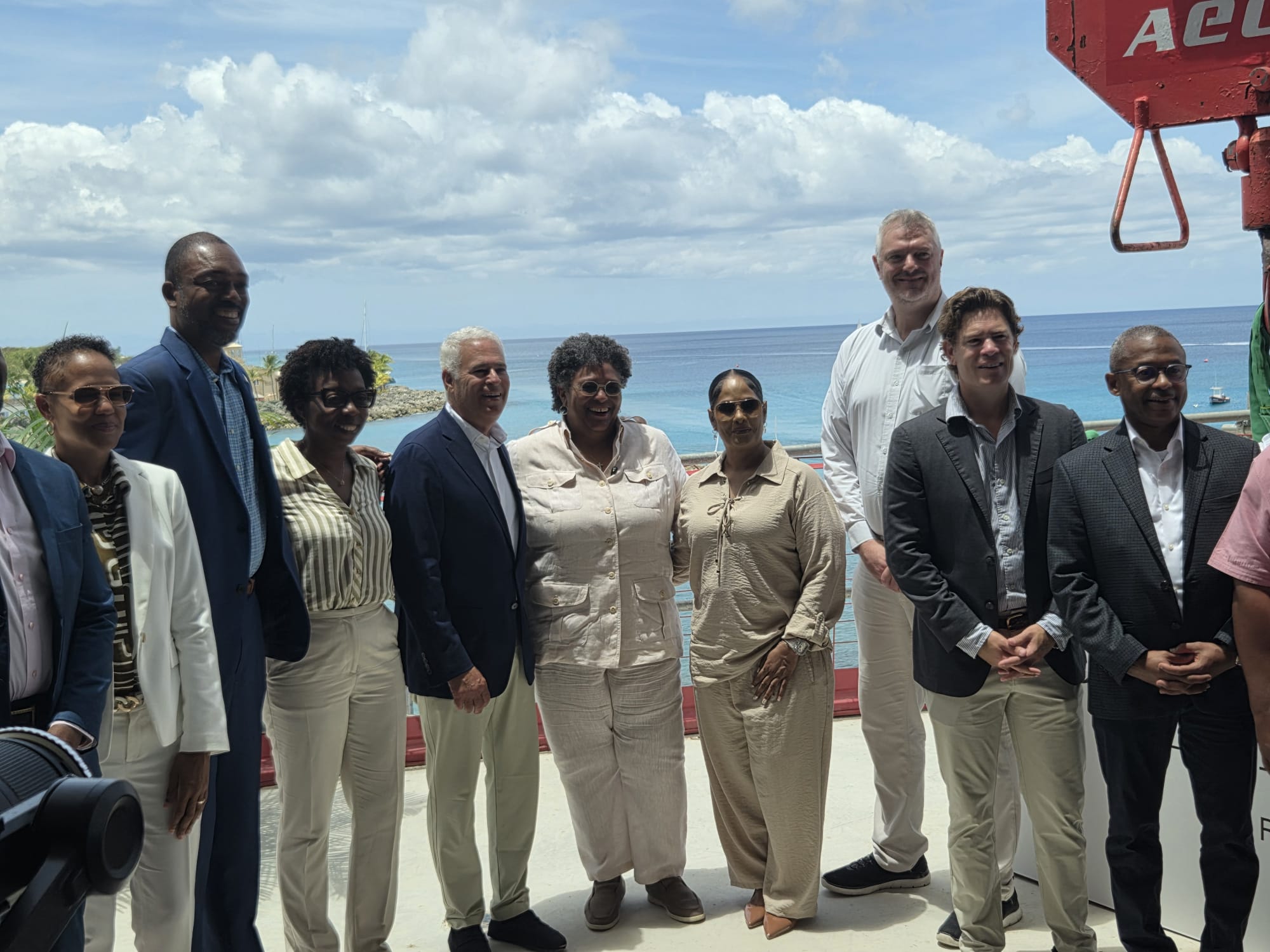
Against the backdrop of lasting global upheaval from the COVID-19 pandemic, Barbados Prime Minister Mia Mottley has announced a bold, forward-thinking overhaul of the country’s signature tourism industry, labeling the new vision “Tourism 3.0”. Speaking at a ceremony marking progress on the Pendry Barbados Residences — a luxury villa development under construction in the parish of St Peter — Mottley framed the shift as a necessary evolution beyond outdated industry models, designed to build a more competitive, community-rooted and globally integrated tourism economy.
Even as Barbados holds a global-leading track record for high repeat visitor rates, Mottley argued that incremental change is no longer enough to keep the island nation competitive in a transformed post-pandemic travel landscape. After six decades of growth under earlier tourism frameworks that have powered national development since independence, and five years since Barbados became a republic, the time has come for a strategic reset, she said.
At its core, Tourism 3.0 is built on what Mottley called a “judicious blend” of two pillars: expanded local Barbadian ownership of tourism assets, and strategic partnerships with international branded hospitality developments. This balance, she explained, lets the nation tap into the global marketing reach of major international brands to drive higher visitor arrivals, while keeping economic benefits anchored in the local community. Mottley emphasized that this model will reinforce Barbados’ global reputation as an unrivaled travel destination, making it easier for travelers worldwide to discover everything the island has to offer.
Mottley pointed to several large-scale hospitality projects already breaking ground across the island as tangible proof that the industry’s transformation is already underway. These include the ongoing Royalton and Hotel Indigo developments, as well as the upcoming Beaches Resort. She also expressed strong confidence that the Montage Group will finally revitalize the long-dilapidated former Four Seasons site — which she described as the “holy grail” of Barbadian tourism — putting an end to more than 20 years of underuse at the prime property.
A key strategic priority of the Tourism 3.0 framework is diversifying the island’s source travel markets. Last year marked a milestone: arrivals from the United States surpassed those from the United Kingdom for the first time in Barbados’ tourism history. Building on this shift, Mottley issued a clear directive to the Ministry of Tourism: secure new direct airlift connections between Los Angeles and Bridgetown. She noted that a non-stop 7.5-hour flight from the U.S. West Coast matches the flight time from London, opening access to high-value travel markets in Silicon Valley, San Francisco, and the Pacific Northwest, unlocking new economic potential for the island.
Addressing widespread shifts in the global labor market that have impacted hospitality sectors worldwide, Mottley reaffirmed her government’s commitment to a “New Deal” for Barbadian tourism workers. She stressed that frontline employees are the heart of the island’s tourism experience, and must be treated with dignity and fair compensation. Whenever the government offers tax and revenue concessions to tourism developers, she explained, a core condition is that employers guarantee wages and working conditions that support a decent living for local workers. Mottley tied this commitment directly to guest experience: stable, fairly treated workers deliver the high-quality hospitality that keeps visitors returning to Barbados.
Mottley also highlighted the community-centered ethos of the new approach, praising the Pendry Residences developers for their “neighbour-centric” planning. As part of the project, developers have committed to building a brand-new community fish market for the Six Men’s area, a tangible investment that benefits local residents beyond the tourism development itself. She reiterated that large-scale tourism projects cannot deliver long-term success unless they lift up and include local communities every step of the way.
Closing her address, Mottley called on all Barbadians to play their part in the new strategy, urging residents to maintain the island’s safety, cleanliness, and world-famous warm hospitality. Reminding the audience that long-term prosperity is not guaranteed, she said, “No one owes us a living. We must command the respect that will ensure we sustain our quality of life.”