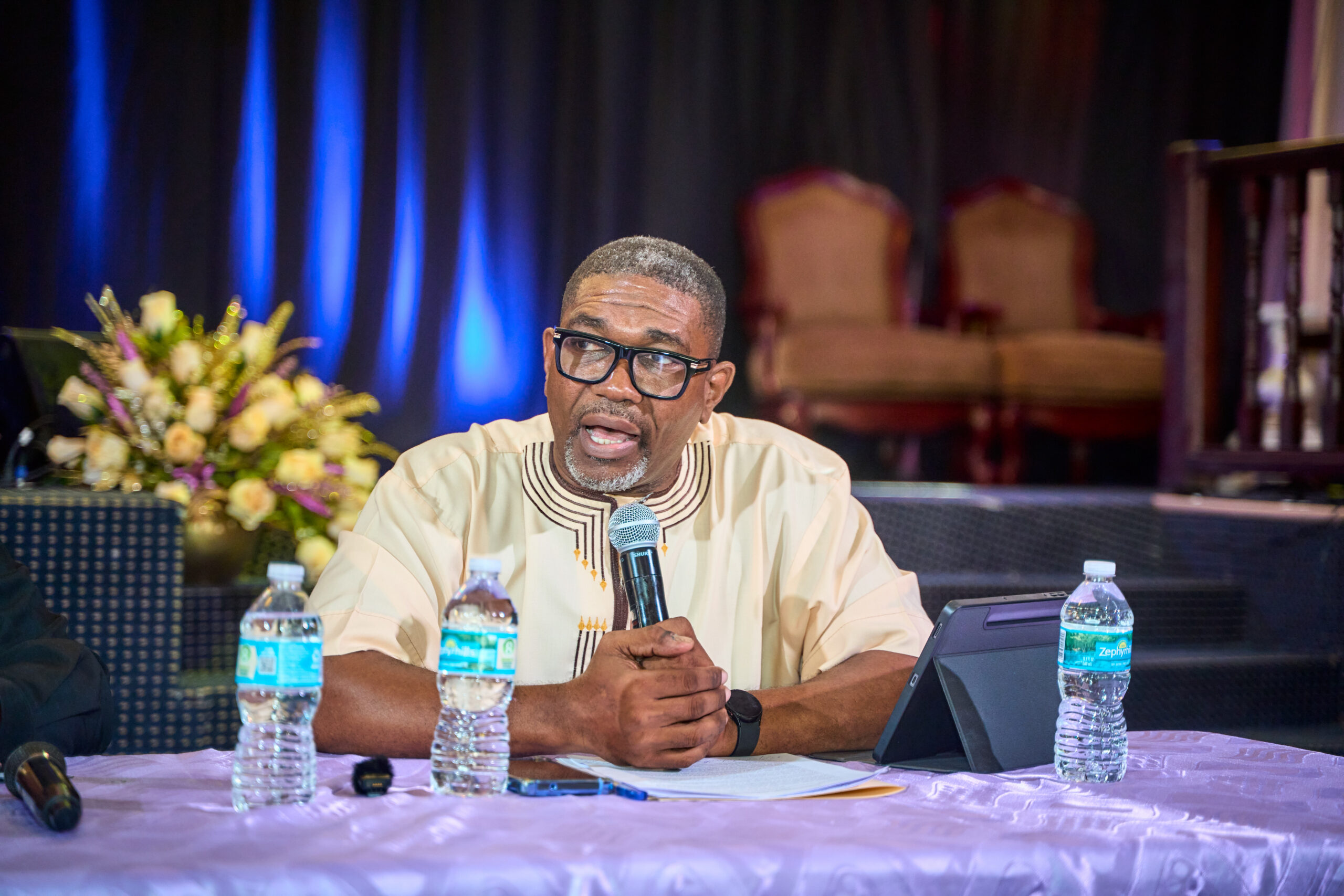
Barbados is grappling with a sharp rise in violent crime this year, with 23 homicides already logged across the island, and a senior faith leader with decades of prison outreach experience is pointing to a largely overlooked culprit: widespread societal exclusion of formerly incarcerated people that perpetuates a vicious cycle of recidivism and violence. Pastor Timothy McClean made his urgent call for systemic change at a recent media event launching the upcoming National Evening of Prayer, a public gathering scheduled for Thursday at Bridgetown’s Freedom Park. Drawing on more than 30 years of prison ministry work, McClean pushed back against the dominant narrative that harsher policing and longer incarceration alone can curb violent crime, arguing that locking people up without addressing the underlying barriers to their successful reentry leaves the root causes of criminal behavior completely unaddressed. “For as long as I can remember, our church team has gone into prisons to teach, preach, and minister, working to bring meaningful heart change to incarcerated men through God’s grace,” McClean shared during the press briefing. “But arresting and locking someone up doesn’t fix the problem. Unless we help them transform their mindset and create pathways for them to rebuild their lives after release, we’ll keep seeing the same harmful outcomes.” McClean noted that Barbados already struggles with a disproportionately high recidivism rate, a trend he attributes to the lack of sustained, structured rehabilitation programming that continues both during incarceration and after a person re-enters society. He acknowledged that faith groups like his have long led reintegration efforts on the island, but stressed that fragmented, church-led work alone cannot close the gap. “It’s not that the church has abandoned this work,” he explained. “What we lack is continuous, well-supported programming inside correctional facilities that centers rehabilitation, followed by ongoing support once people return to their communities.” McClean detailed his own experience leading a targeted pre-release reintegration initiative, designed to support inmates in their final year of incarceration by equipping them with the skills and resources they need to build stable lives outside of prison. The program includes professional counseling, life skills training, and mentorship, but McClean said its impact has been severely undermined by widespread societal pushback against hiring and accepting former inmates. “The core of the problem is us – society itself,” he emphasized. “If we truly want to reduce crime, we have to change our collective mindset about people who have paid their debt to society.” McClean recounted repeated efforts to connect program graduates with entry-level work at local businesses, only to be turned away immediately. “I’ve walked freshly released inmates into business offices and asked owners to give them a second chance,” he said. “The answer has been an outright, unapologetic no every time.” Without access to legal employment or skills training, McClean warned, former inmates are left with almost no viable options to support themselves and their families after release. “When there are no jobs, where do they turn? That makes all of us complicit in the cycle of crime,” he argued. “Once someone is labeled a criminal, that stigma never goes away. When they get out of prison, there’s no way for them to get a foothold in mainstream society, so they end up going right back to the environments and behaviors that led to their incarceration in the first place, and the cycle of crime continues.” McClean closed his remarks by issuing a clear call to action to both the national government and the country’s private sector, urging both groups to step up and take an active role in expanding rehabilitation and reintegration efforts. “We need a widespread mindset shift: people coming home from prison deserve a chance to rebuild,” he said. “If we give them that opportunity to rejoin society as productive members, they won’t have to return to a life of crime.”