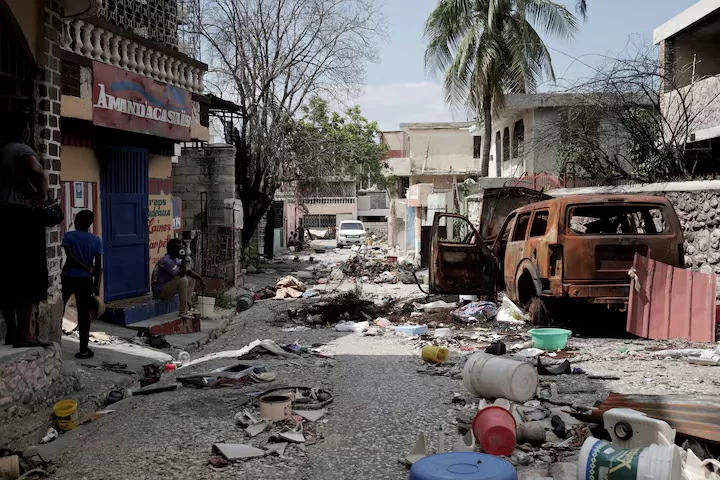
PORT-AU-PRINCE, HAITI – As Haiti grapples with a spiraling humanitarian and security crisis fueled by powerful gang coalitions that control most of the capital, the central African nation of Chad has formally committed to deploying 1,500 additional troops to the UN-endorsed multinational security mission tasked with stabilizing the Caribbean country. The announcement, made public Monday via a letter from the Chadian presidential office to the country’s national parliament, marks a major boost to the understaffed mission, which has long fallen short of its personnel recruitment targets.
According to the official document, the first contingent of Chadian troops – roughly 400 service members – already arrived in Haiti on April 1, and is now operating under the command of the newly restructured UN mission leadership, which was reorganized late last year. Chad’s full deployment will consist of two full battalions of 750 troops each, with the entire force serving a 12-month tour of duty starting this month.
Prior to Chad’s commitment, the multinational mission counted approximately 1,000 international personnel on the ground, most of whom are police officers from Kenya, supplemented by small specialized units from several Central American and Caribbean nations. The voluntary mission originally set an initial target of 2,500 troops, but as of early 2025, it had only reached 40% of that goal. That figure prompted UN security officials to raise the overall official target to 5,500 personnel by August this year, a milestone that Chad’s contribution will go a long way toward helping the coalition meet.
The deployment boost comes as security conditions across Haiti continue to deteriorate, despite incremental efforts by international forces to push back against gang control. Over the past years of escalating conflict, the number of Haitians displaced by gang violence has skyrocketed from just over 133,000 to more than 1.4 million, with thousands of civilian lives lost to rampant attacks, sexual violence, and territorial clashes between rival factions. Once confined to the capital Port-au-Prince, gangs have now expanded their influence into rural areas surrounding the city, and the dominant gang alliance Viv Ansanm maintains de facto control over most of Port-au-Prince’s northeastern neighborhoods.
In a small sign of incremental progress earlier this month, notorious gang leader Jimmy “Barbecue” Cherizier ordered his followers to withdraw from several northeastern Port-au-Prince districts and called on former residents to return to their homes. That move allowed hundreds of displaced residents to go back to the Delmas 30 neighborhood, though widespread insecurity persists across much of the country.
The ongoing chaos has also derailed Haiti’s political transition: general elections have been repeatedly delayed, with the last national vote held a full decade ago. Compounding the crisis, a recent UN internal report has documented allegations of sexual abuse and exploitation committed by some members of the international security mission, adding another layer of challenge to the already fraught stabilization effort.