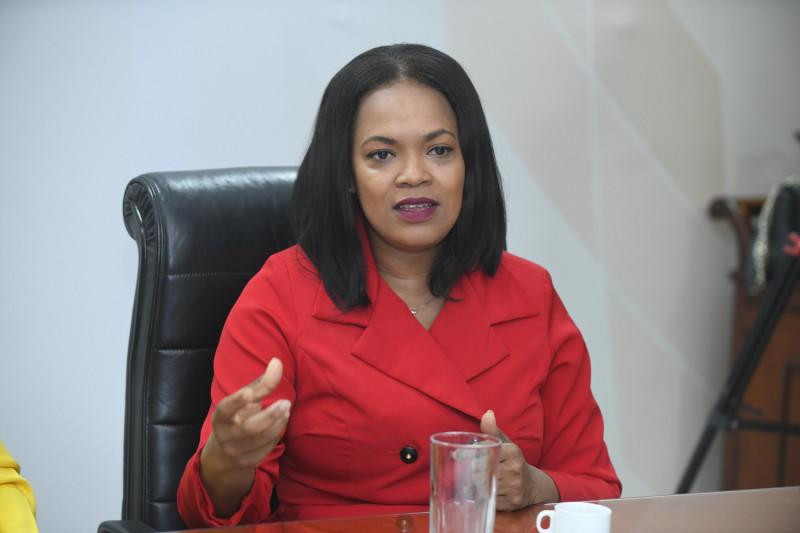
SANTO DOMINGO — A newly released feasibility study has uncovered a critical connection linking problematic substance abuse to the majority of low-level criminal cases processed in the Dominican Republic’s National District, opening the door to sweeping reforms of the nation’s justice system through a new restorative therapeutic justice pilot program. The findings were shared by Magistrate Kenya Romero, coordinator of the jurisdiction’s Courts of Instruction, during a progress presentation at the 2026 Judicial Power Conference, where legal innovators from across the globe gathered to discuss modernization of criminal justice frameworks.
Romero spoke on the conference panel titled “Treatment Under Possible Judicial Supervision,” outlining how the new pilot model seeks to upend centuries of traditional adversarial justice practices that have long defined criminal case processing. Rather than forcing prosecutors and defendants into an oppositional standoff that centers punishment over root-cause resolution, the new framework adopts a collaborative approach that integrates court-supervised monitoring of defendants’ substance use recovery into the legal process.
Under the program’s guidelines, only defendants meeting rigorous legal and health screening criteria — those facing minor charges and confirmed to have narcotic dependence — are selected to participate in the alternative track. Romero explained that this targeted approach clears a massive backlog of thousands of stalled minor infraction cases by prioritizing public health intervention over traditional prosecution, creating a more efficient system that addresses the underlying drivers of repeated low-level crime.
“The goal is to bring a more human-centered perspective to legal conflict resolution,” Romero emphasized. “A judge still upholds the rule of law, but we recognize that many defendants face systemic risk factors and live with a chronic, treatable health condition. This model strengthens the judicial role by integrating medical and public health tools, rather than asking courts to punish people for conditions that can be treated.”
The conference drew insights from international peers already implementing similar models, including Carmen Otero, administrative judge of Bayamón, Puerto Rico, who explained that therapeutic justice has been enshrined as a constitutional state policy on the island. Otero shared economic data that makes a compelling case for the shift: Puerto Rico spends roughly $343 million annually on prison confinement for non-violent drug offenders, while prevention and court-supervised treatment programs deliver far better rehabilitation outcomes at a fraction of the cost.
“Unlike the traditional adversarial process that pits all parties against one another, the therapeutic approach aligns everyone on the same team, working toward the shared goal of the defendant’s long-term recovery,” Otero noted.
Attending judges across the regional delegation reached a broad consensus: the future of effective criminal justice requires addressing the root causes of crime, rather than only responding to and punishing its harmful outcomes.
The discussions on therapeutic justice are a core component of the Dominican Republic’s national Criminal Process Optimization Plan, the central policy focus of this year’s Judicial Power Conference. The three-day event has drawn more than 6,000 total participants, 68 international exhibitors, and legal representatives from 25 countries, cementing the Dominican Republic’s position as a regional benchmark for forward-thinking legal innovation in the Americas.