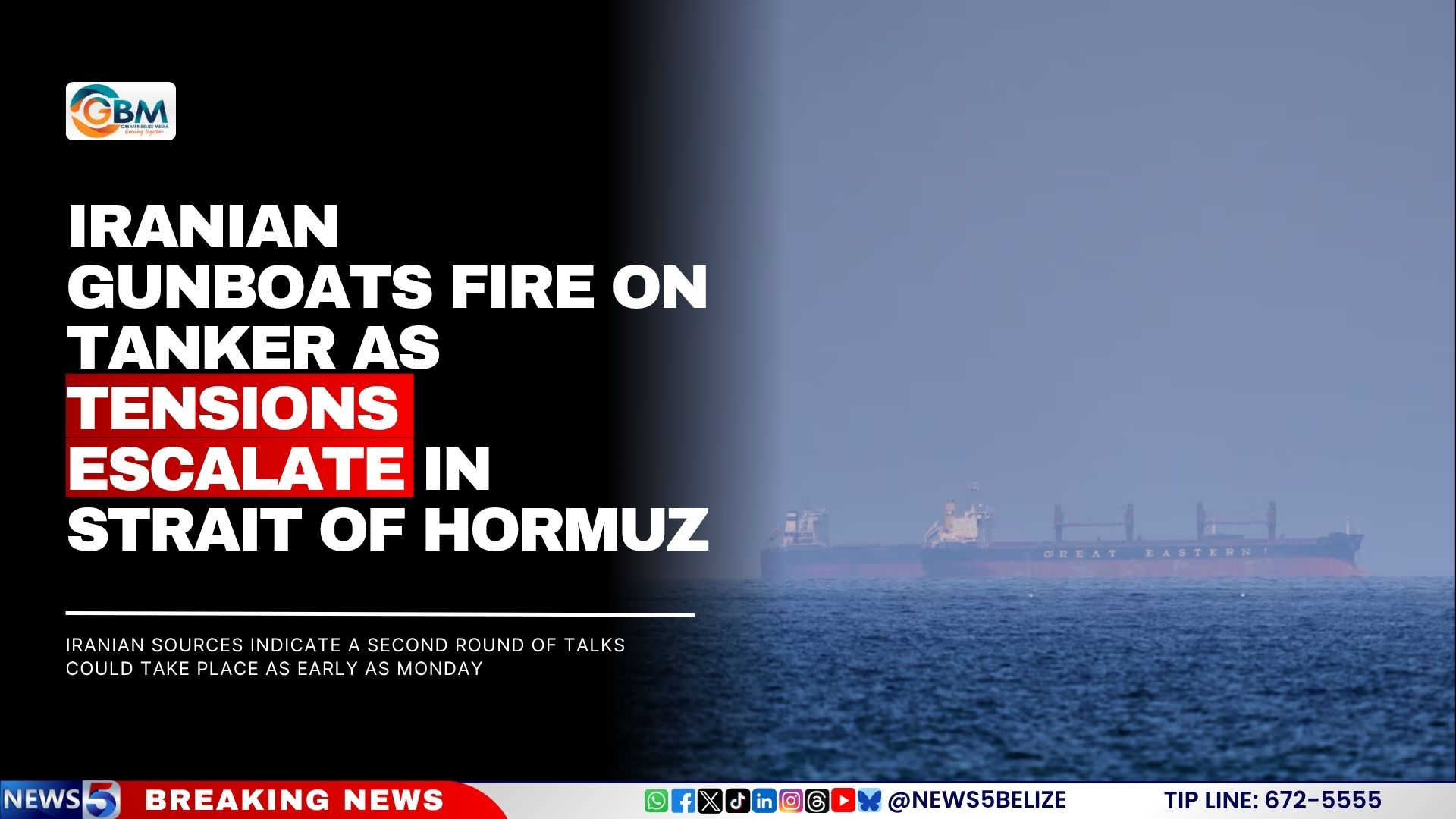
Escalating geopolitical friction in one of the world’s most critical energy chokepoints boiled over on Saturday, after Iranian gunboats fired on a commercial tanker attempting to traverse the Strait of Hormuz, while a second merchant vessel reported being hit by a projectile, multiple maritime sources confirmed to CNN.
The hostile confrontations came just days after Iran’s military reinstated sweeping navigation restrictions across the strategic waterway, a move Tehran justified by citing repeated “breaches of trust” by the United States in ongoing diplomatic negotiations. This latest escalation has already thrown global maritime traffic into disarray: public vessel tracking data shows dozens of oil tankers have either altered their course to avoid the strait or remained anchored in nearby waters, grinding movement through the key corridor to a near halt in some areas.
Diplomatic relations between Tehran and Washington remain near a breaking point, even as backchannel talks continue. Recent negotiations mediated by Pakistan have put new U.S. proposals on the table, which Iranian officials confirm are currently under review by Tehran’s leadership. U.S. President Donald Trump acknowledged that talks are progressing in public remarks, but made clear his administration’s growing frustration, warning that Washington would not accept what he called “Iranian blackmail” over control of the waterway.
Iranian diplomatic sources have suggested a second round of direct negotiations could convene as early as Monday, though no U.S. officials have stepped forward to confirm the timeline. Core disagreements over navigation rights, sanctions relief, and regional security remain unaddressed, leaving the future of talks uncertain.
In a revealing new development, a senior Iranian government official told CNN that Tehran is also considering implementing a new fee system for commercial vessels: ships that pay the required charge will receive priority passage through the strait, while vessels that refuse to comply will face extended, arbitrary delays. More than 20% of the world’s daily crude oil and refined petroleum product shipments pass through the 21-mile-wide strait, meaning any prolonged disruption to navigation risks sending shockwaves through global energy markets, driving up fuel prices for consumers and businesses worldwide.