Belizean micro, small, and medium-sized enterprises (MSMEs) are celebrating a major policy win, with more than 800 businesses across the country gaining formal approval for the government’s landmark MSME Tax Amnesty Programme, national authorities confirmed in an announcement made public on April 16, 2026.
The initiative, designed to formalize informal economic activity and boost nationwide tax compliance, drew 909 total applications from entrepreneurs and business owners across all districts of Belize. Of these submissions, 806 MSMEs met the programme’s eligibility requirements to unlock its full benefits. Successful applicants will receive a full 12-month exemption from standard business tax, alongside a complete waiver of all accumulated penalties and interest attached to their outstanding historical tax obligations.
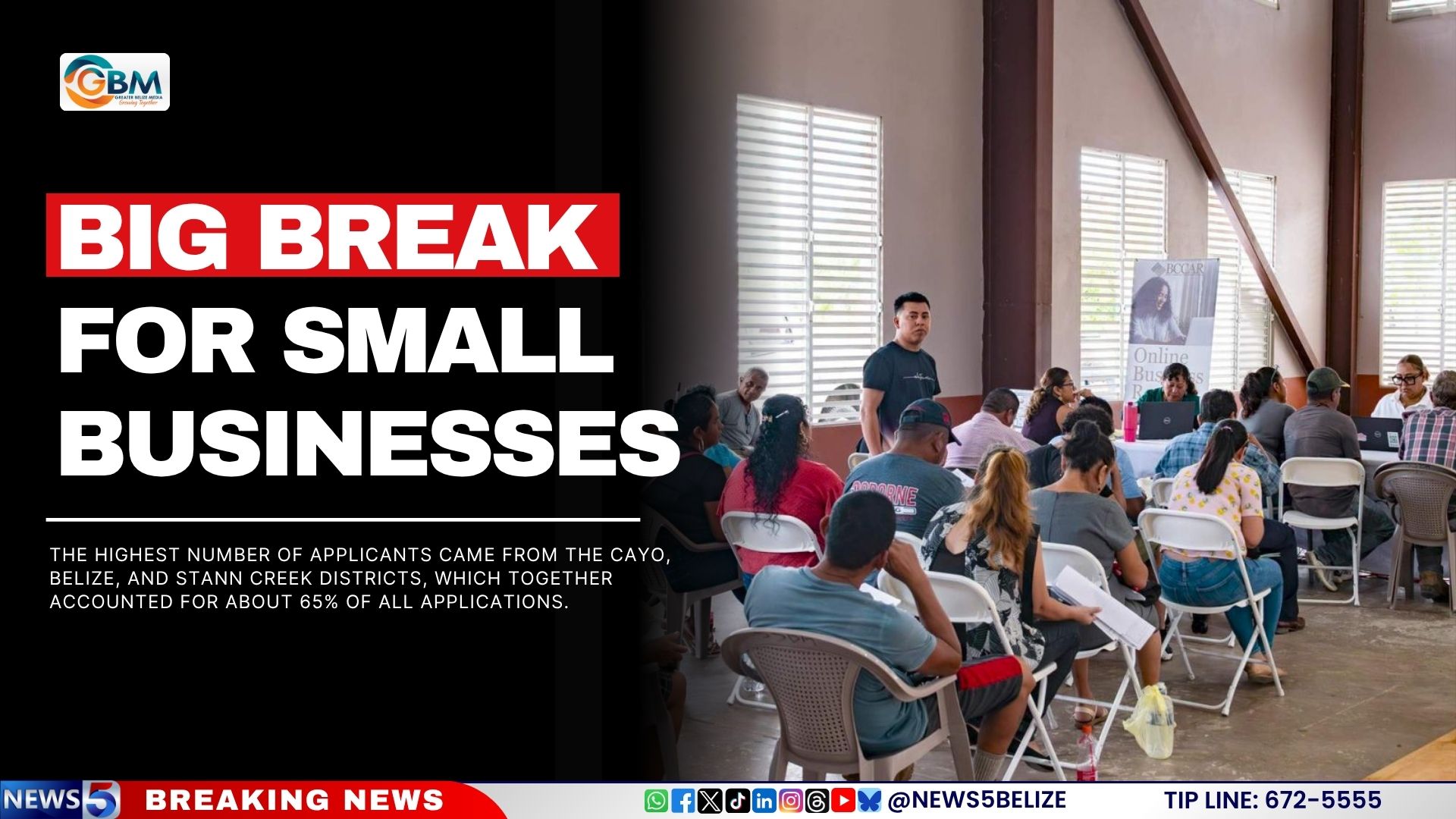
Geographically, participation was concentrated in three of Belize’s most economically active districts: Cayo, Belize District, and Stann Creek. Combined, these three regions accounted for roughly 65% of all total applications submitted to the programme. The remaining 35% of submissions came from business owners operating in the northern districts of Orange Walk and Corozal, as well as the southern district of Toledo.
When broken down by economic sector, the data reflects Belize’s identity as a service-driven economy. Retail trade claimed the largest single share of applicants, making up 25.6% of all submissions. Food and beverage services followed as the second-largest participating sector at 20.2%. Other high-participation sectors include personal services, tourism and recreation, and accommodation and hospitality—all core pillars of Belize’s domestic and international-facing economy.
Programme officials outlined that the long-term objectives of the tax amnesty extend beyond immediate tax relief for struggling small businesses. By encouraging formal registration with the Belize Tax Service and improving overall compliance, the government aims to help these small businesses unlock new opportunities: access to formal business financing, government grants, and entry to larger regional and international markets that require formal operating status.
To qualify for the programme, businesses must fall into one of the three MSME categories (micro, small, or medium) by meeting at least two out of three standard classification metrics: total number of employees, annual sales revenue, and total business asset value. The initiative does exclude a handful of specific sectors, however, including gaming and lottery operations, real estate services, petroleum-related businesses, money lending services, non-tourism focused rental properties, most professional and consultancy services, auto rental companies, and entertainment promotion firms, among other excluded business types.
The launch of this amnesty programme comes as Belize’s government is working to navigate the 2026 Briceño budget through persistent global economic headwinds, placing a renewed focus on supporting the small business sector that forms the backbone of the country’s domestic economy.