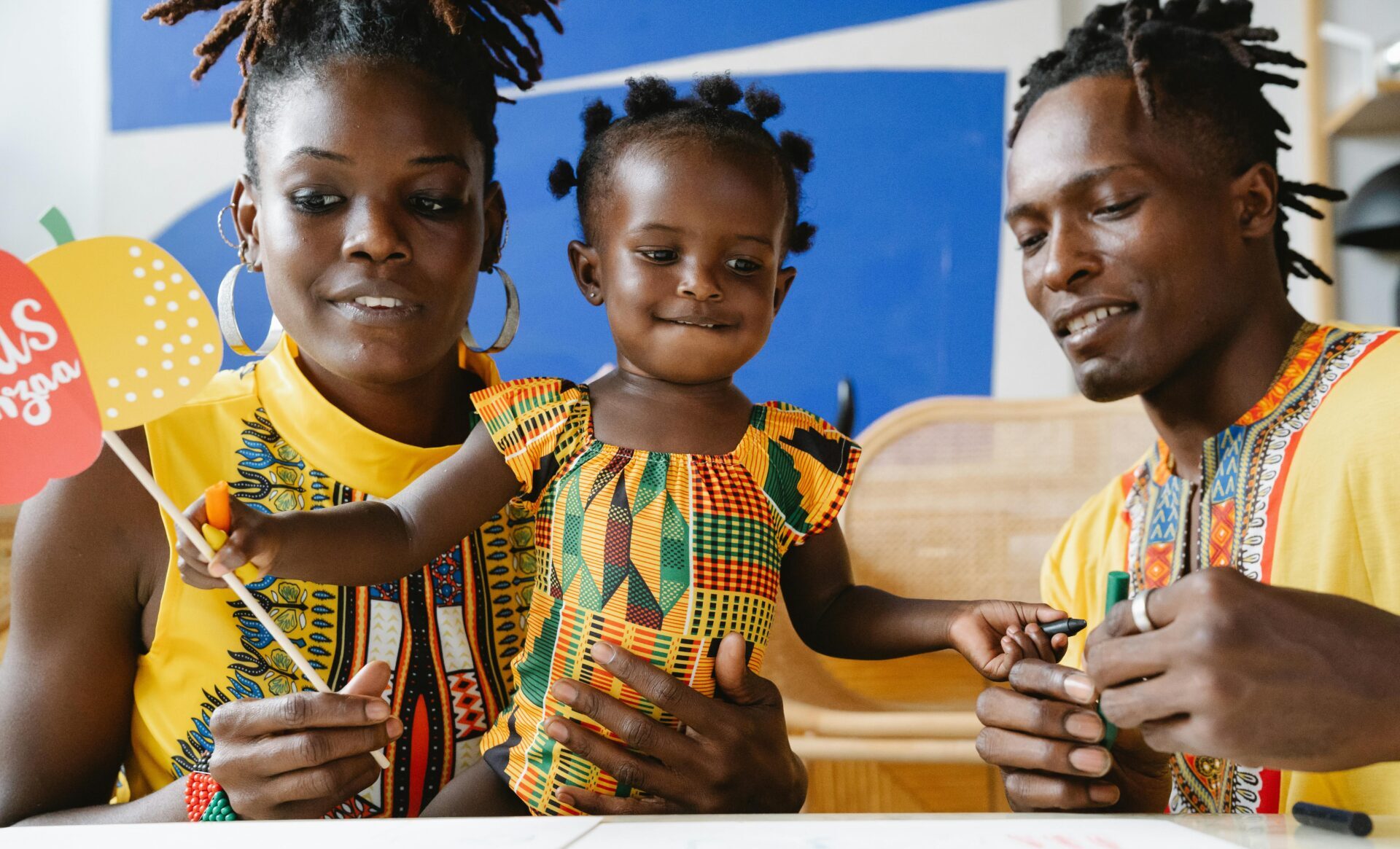
Opening with a timeless reflection from Michelangelo, the conversation around art begins with one of humanity’s most enduring questions: what makes art meaningful to ordinary people? Far from the distant, mystified practice that it is often made out to be, art is fundamentally a subjective expression of an artist’s perspective, and every audience member brings their own lived experience to interpreting it. This inherent subjectivity is not a flaw—it is what makes art such a powerful unifying force, capable of bridging divides between generations, ethnic groups, and religious communities across the globe.
The very word “art” traces its roots back to the Latin term ars, which translates to skill, craft, or creative practice. While the first recorded written use of the term dates to 13th-century European manuscripts, linguistic historians believe its variants were in use as early as the founding of the Roman Empire. For many, the first formal introduction to art comes in high school, where it is often sidelined as an extracurricular or less important subject. But this overlooks a key opportunity: integrating art into core school curricula alongside other disciplines unlocks unique creative benefits for students that extend far beyond the art room.
This principle is at the heart of the STEAM education framework, which adds Arts to the original STEM focus on Science, Technology, Engineering, and Mathematics. STEAM uses artistic practice as a gateway to drive student inquiry, collaborative dialogue, and critical thinking. Research and education experts widely agree that this interdisciplinary approach boosts cognitive function and improves reading proficiency, making it a critical investment in long-term student success. That is why advocates argue governments around the world must increase public investment in cultural and creative arts—investment that delivers returns across every area of education and social development.
The United Nations Educational, Scientific and Cultural Organization (UNESCO) has long recognized art’s global public value. In 2019, UNESCO officially proclaimed World Art Day, an annual global observance held every April 15, to celebrate artistic expression, expand access to art around the world, and honor art’s contributions to global development. The date of April 15 was chosen specifically to honor Leonardo da Vinci, who the organization holds up as a global symbol of freedom of expression, tolerance, and cross-cultural brotherhood. UNESCO’s charter for the day emphasizes that art nurtures creativity, innovation, and cultural diversity, while fostering the open dialogue and curiosity that are foundational to building a free, peaceful, and equitable world. When we protect artistic freedom and support artists, we build the conditions for a more connected and peaceful global community.
Each year, World Art Day focuses on a new theme that reflects evolving global priorities for artistic engagement. The 2026 theme, unveiled ahead of the April 15 observance, is “A Garden of Expression: Cultivating Community Through Art”. This framing positions art as a shared, living practice: just as a garden thrives when tended collectively by a community, art grows deeper meaning when it is shared, nurtured, and co-created among groups of people. The theme centers building social connection, collective unity, and shared cultural expression, while highlighting art’s unique ability to create feelings of belonging that bind communities together. Beyond celebrating finished artistic works, the 2026 observance also shines a spotlight on K-12 arts education, noting that widespread access to creative learning paves the way for more inclusive and equitable education systems globally.
For people of all artistic skill levels, there are countless accessible ways to participate in World Art Day 2026, no matter where you live. One of the most popular ways to celebrate is to explore local cultural institutions: many museums and community art galleries host special themed exhibitions and offer discounted or even free admission for the annual observance. If you have ever wanted to explore your own creativity, the day is the perfect occasion to experiment with a new art form—from painting and drawing to sculpting and photography, the joy of creating is open to everyone, regardless of experience. For those looking to connect with other art lovers in their area, local art studios and community centers often host free or low-cost special workshops and classes for World Art Day, giving attendees the chance to learn a new creative skill and build connections with fellow creators in their region.
As iconic American artist Georgia O’Keeffe once put it: “I found I could say things with color and shapes that I couldn’t say any other way – things I had no words for.” This is the core power of art that World Art Day seeks to celebrate: it gives voice to the ideas and connections that bind us, even when we cannot put those feelings into words.
This commentary was written by Wayne Campbell, an educator and social commentator focused on how development policy shapes culture and gender equity.