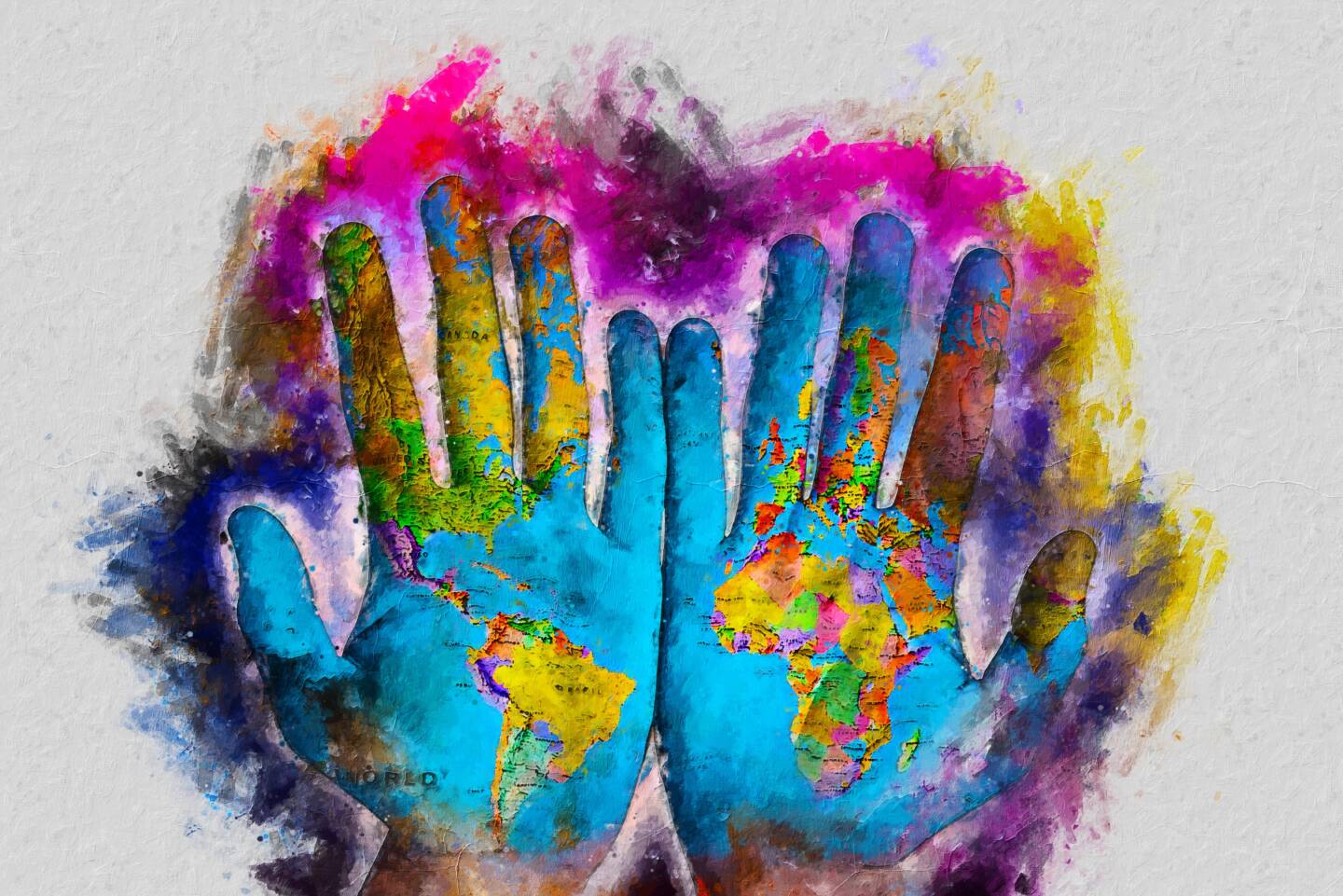
Art has captivated human civilization for millennia, yet its fundamental nature remains a topic of ongoing discussion among creators, critics and audiences alike. Rooted in the Latin term ars – meaning skill, craft, or creative expression – the concept of art dates back to the founding of Rome, with the first documented usage of the word appearing in 13th-century European manuscripts.
At its core, art is deeply subjective: while it carries the unique perspective of its creator, every viewer brings their own lived experience to interpreting the work, creating an endless spectrum of meaning. Beyond individual interpretation, art serves as a powerful intergenerational and cross-cultural bridge, capable of connecting people from divergent ethnic, religious, and social backgrounds. As the iconic Renaissance sculptor Michelangelo once observed, every beautiful work perceived by those with awareness of creativity echoes the celestial source that unites all humanity.
For many people, first formal encounters with art happen in high school, where it is often sidelined as a non-essential subject. But educator and social commentator Wayne Campbell argues that arts integration deserves far more institutional and governmental investment, pointing to the growing adoption of STEAM (Science, Technology, Engineering, the Arts, Mathematics) education as a critical step forward. Unlike traditional siloed learning models, STEAM uses creative expression as a gateway to student inquiry, dialogue, and critical thinking, with documented benefits ranging from improved reading comprehension to sharper cognitive function.
The United Nations Educational, Scientific and Cultural Organization (UNESCO) has long recognized the global public value of art. In 2019, UNESCO formally proclaimed April 15 as World Art Day, a global observance designed to boost access to creative expression, celebrate the diverse contributions of artists, and leverage art as a tool for sustainable development and peacebuilding. The date itself was chosen to honor Leonardo da Vinci, who the organization frames as a global symbol of free expression, tolerance, and cross-cultural brotherhood.
Each year, World Art Day serves three core purposes: to strengthen the ties between artistic creation and broader society, to raise public awareness of the diversity of artistic practices around the world, and to shine a spotlight on the importance of arts education in building inclusive, equitable learning environments. For 2026, the global observance has adopted the theme “A Garden of Expression: Cultivating Community Through Art.” The metaphor is intentional: just as a garden thrives when tended collectively, art flourishes when communities come together to create, share, and nurture creative practice, building connection, unity, and shared belonging among diverse groups.
UNESCO emphasizes that art’s unique ability to nurture creativity, innovation, and cultural diversity makes it an essential driver of global dialogue, curiosity, and knowledge sharing. When societies protect artistic freedom and support creative spaces, they lay the groundwork for more open, free, and peaceful global communities.
Celebrating World Art Day is accessible to everyone, from established professional artists to casual enthusiasts who have never picked up a paintbrush. One of the most straightforward ways to mark the occasion is to visit local galleries, museums, or pop-up art exhibitions; many cultural institutions host special events or offer discounted admission to mark the observance. For those who prefer hands-on engagement, the day is the perfect opportunity to experiment with a new creative medium – whether that’s painting, drawing, sculpting, photography, or any other form that sparks curiosity. Local art studios and community centers also frequently host free or low-cost workshops for World Art Day, giving attendees the chance to learn new skills, refine existing techniques, and connect with other creative people in their local area.
As pioneering American artist Georgia O’Keeffe once put it: “I found I could say things with colour and shapes that I couldn’t say any other way — things I had no words for.” That unique power of expression, accessible to all, is what World Art Day exists to celebrate and amplify.
*This opinion piece is contributed by Wayne Campbell, an educator and social commentator focused on development policy’s intersections with culture and gender issues. NOW Grenada does not take responsibility for contributor statements or opinions, and invites users to report abusive content via official channels.*