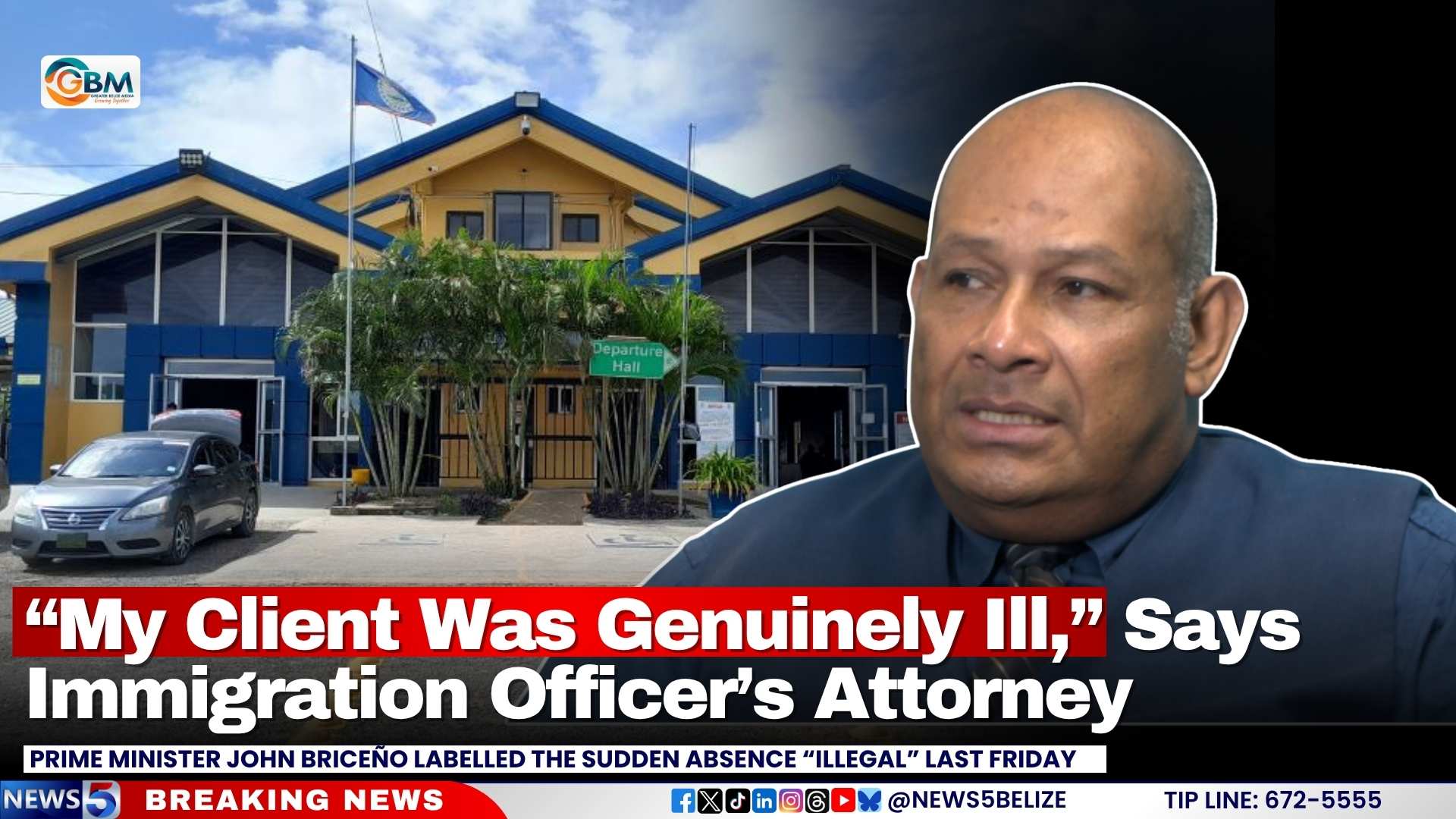
A growing legal conflict has emerged following the placement of multiple western border immigration officers on administrative leave in late March 2026, centered on allegations of a coordinated work stoppage disguised as legitimate sick leave ahead of the Easter long weekend. At the heart of the dispute is Ann Marie Smith, one of the officers placed on leave, who is being represented by defense attorney Norman Rodriguez. Rodriguez has launched a scathing critique of the Ministry of Immigration’s handling of the case, accusing the agency of violating basic procedural fairness by imposing disciplinary action before completing a formal investigation.
After Smith and her colleagues submitted official medical certificates to justify their absences, the Ministry moved to place them on administrative leave under Section 144 of the country’s Public Service Regulations. In official notice letters sent to Smith, the agency cited professional misconduct, claiming she failed to uphold the high standards of personal integrity required of her role as an immigration officer. The Ministry has publicly stated that the synchronized timing of the absences – all officers requesting leave for roughly the same window and all scheduling the same return date – during a peak Easter travel period at one of the country’s busiest border crossings is far too unusual to be coincidental. Officials allege the sick leave was a deliberate coordinated action intended to sabotage border operations.
Prime Minister John Briceño publicly backed the Ministry’s position last Friday, calling the mass absence “illegal.” Briceño argued that the odds of multiple officers falling ill and returning to work on the exact same timeline are statistically implausible, insisting there must be an organized motive behind the work stoppage.
But Rodriguez has pushed back aggressively against every element of the government’s narrative. He emphasized that Smith’s leave was explicitly ordered by her treating physician, and that her patient records confirm she has pre-existing documented health conditions that required the time off, including a prior hospitalization for related issues. He stressed that the Ministry has not produced any concrete evidence to support its misconduct allegations, despite its repeated claims of a coordinated “sick-out.”
Rodriguez outlined that basic principles of natural justice require agencies to formally bring allegations against public employees, grant them an opportunity to respond to the claims, and conduct a full, impartial investigation before imposing punitive action such as administrative leave. He said the Ministry completely skipped this critical step, choosing to penalize the officers first and investigate second – a process failure he says is unacceptable. He also rejected the Ministry’s framing of administrative leave as a routine procedural step, noting that even routine processes are required to uphold fair process for public servants. Dismissing claims that the sick leave was a cover for coordinated strike action as baseless, Rodriguez reiterated that his client’s illness is completely genuine and fully documented.
For its part, the Ministry of Immigration has stood by its actions, confirming that the officers remain under active investigation as it continues to probe the highly abnormal pattern of sick leave requests during the busy peak travel period. The ongoing legal row has drawn attention to procedural standards for public sector discipline and the handling of alleged organized work actions among border security staff.