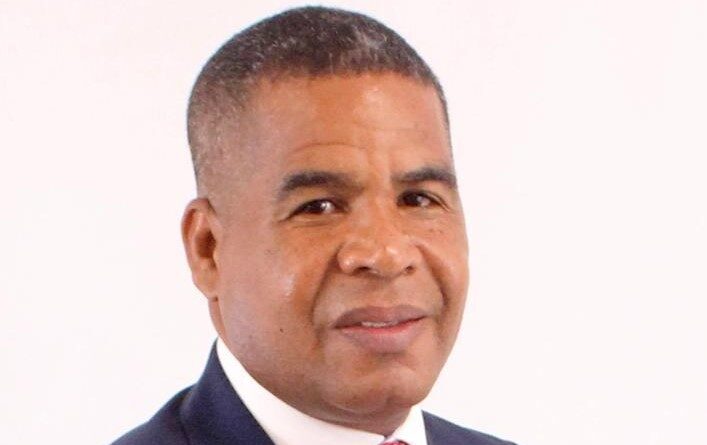
The International Monetary Fund’s 2026 Article IV Mission Report on the Commonwealth of Dominica has sparked intense political scrutiny from the island nation’s main opposition bloc, the United Progressive Party (UPP), led by attorney Joshua Francis. The UPP has raised sharp alarms over the report’s findings, which paint a mixed picture of Dominica’s economic trajectory and highlight deep structural vulnerabilities that the party argues have been left unaddressed by the long-ruling Dominica Labour Party.
According to the IMF’s analysis, Dominica delivered a solid 4.5% GDP growth rate in 2025, a figure that reflects short-term expansion following recent global and regional economic disruptions. But the fund’s medium-term outlook is far from encouraging: projections show growth will slow to a range of 2% to 3% in coming years, with overall economic risks explicitly “tilted to the downside.”
One of the most pressing issues flagged in the report is Dominica’s extreme current account deficit, which the IMF estimates has reached 38% of total GDP. This gap underscores the country’s persistent heavy dependence on imported goods and services, a structural imbalance the UPP says the current administration has failed to correct. Even more concerning for the opposition is Dominica’s public debt load, which sits at roughly 103% of GDP — far higher than standard regional benchmarks, placing the island at high risk of sovereign debt distress. The IMF’s recommendation of an additional EC$60 million in fiscal consolidation further confirms the ongoing fiscal pressure squeezing the national budget, the UPP notes.
The report also draws attention to weaknesses in Dominica’s financial sector. Non-performing loans remain at elevated levels, and regulatory oversight has not kept pace with the rapid growth of the country’s credit union industry, which now holds more than 50% of all private sector credit in the economy. Additionally, the IMF echoes longstanding questions about Dominica’s heavy reliance on revenue from its Citizenship by Investment (CBI) program, raising concerns about both transparency and long-term fiscal sustainability. For the UPP, this overreliance is clear proof that the ruling Labour Party has neglected to build a diversified, shock-resilient national economy.
Institutional weaknesses round out the list of risk factors: the IMF highlights gaps in public financial management systems and limited fiscal transparency, both of which the UPP says contribute to the country’s overall economic fragility. In a formal statement following the report’s release, UPP leader Joshua Francis emphasized that the IMF’s findings validate the opposition’s longstanding warnings. “The IMF report confirms that Dominica’s economy remains fragile and exposed,” Francis said. “We need responsible leadership, stronger governance, and a clear path toward sustainable economic growth.”
The UPP has laid out its policy vision, calling for urgent nationwide reforms to cut public debt, generate new private sector jobs, expand economic diversification, tighten financial sector oversight, and improve government transparency. The party warns that without bold, immediate policy intervention, Dominica will remain trapped in a cycle of slow growth, limiting opportunity for citizens and blocking progress toward long-term economic resilience.
For its part, the ruling administration has acknowledged the IMF’s conclusions. Prime Minister Roosevelt Skerrit recently addressed the report’s findings during a parliamentary session, noting that the government respects the fund’s conclusions and has outlined its own official position on the issues raised to provide contextual perspective for lawmakers and the public.