Calls for transparency grew louder on Tuesday during a public accounts committee (PAC) hearing, as a ruling-party Jamaican MP pressed senior leaders of the University Hospital of the West Indies (UHWI) for clear answers about a $10.8 million customs duty payment made by a private company for imports declared under the public hospital’s tax-exempt name — answers that hospital officials were unable to provide.
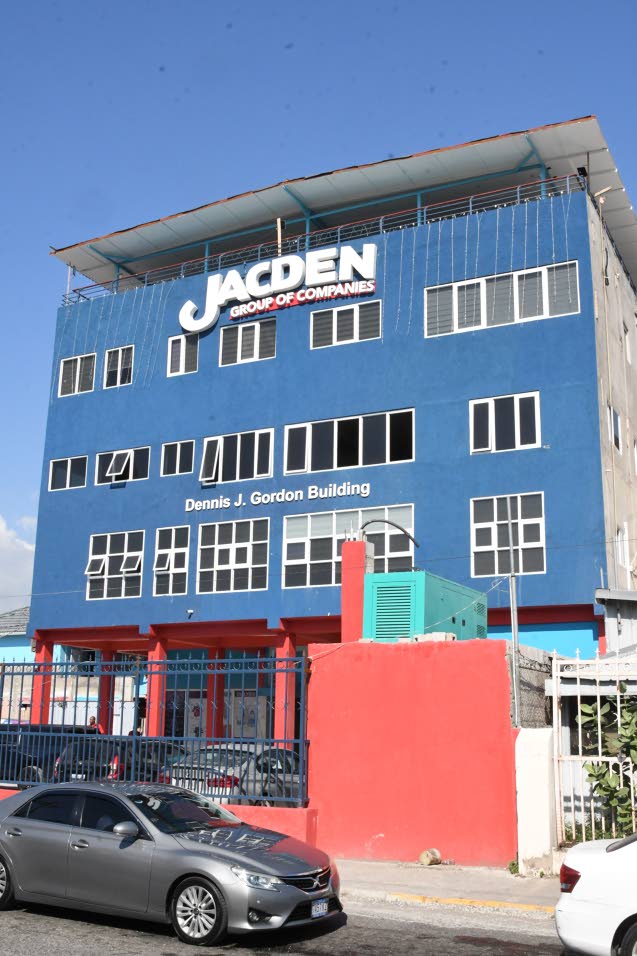
The growing controversy revolves around the transaction attributed to JACDEN, a private firm where opposition Member of Parliament Dennis Gordon, representative for St Andrew East Central, holds a principal leadership role. The payment was made to Jamaica Customs for goods imported under UHWI’s name, tying the case to a broader investigation into misuse of the major public hospital’s tax-exempt import status.
This probe is part of an ongoing PAC review of damning findings from Jamaica’s Auditor General, which uncovered repeated misuse of UHWI’s tax-exempt privileges to allow private companies to import goods duty-free. The practice has resulted in millions of dollars in lost government revenue from unpaid customs duties, prompting wide-ranging scrutiny of regulatory and institutional oversight.
During Tuesday’s committee sitting, Government MP Heroy Clarke questioned the legal and procedural foundation for any private entity to pay customs duties on behalf of a public medical institution, especially when the hospital is formally listed as the official importer of record. He repeatedly pressed acting UHWI CEO Eric Hosin for clarity on what authority allowed a third-party private firm to cover duties for goods imported in the hospital’s name, asking “On what ground, what condition, what authority, that some goods that were brought in the name of UHWI, that a third party, a private entity, would have gotten the authority to pay duty on behalf of UHWI.”
In response to the committee’s questions, Hosin stated that no such private payment arrangement had been approved by the hospital during his tenure as acting chief executive. However, Clarke pushed back, pointing to official documentation submitted to the committee that confirms the payment was processed by Jamaica Customs despite UHWI being named as the importer. He continued to press for clarity, asking “On what grounds did this company, JACDEN, pay over $10 million to Customs, Customs accepting that money in the name of UHWI — because the goods belong to UHWI?”
Ultimately, Hosin conceded that he could not explain how the unusual transaction was approved or processed, telling the committee “I don’t know. You’d have to speak to Customs.”
This unresolved exchange has amplified longstanding concerns about critical gaps in regulatory oversight, particularly around how public institutions’ tax-exempt status can be exploited by private actors for unauthorized financial gain. Clarke also flagged a documented violation of Jamaica’s Customs Act, noting that UHWI has been officially cited for making a false import declaration in breach of Section 209 of the legislation. Customs has notified the hospital that it may file an objection to the citation, but requires a deposit to process the appeal. Clarke asked UHWI officials whether the institution had drafted an objection and paid the required deposit, and Hosin confirmed no action has been taken on the citation to date.
The case has gained heightened political attention due to Gordon’s direct ties to JACDEN, placing the opposition MP at the center of the unfolding scandal. The controversy has already expanded beyond the PAC, with Parliament’s Ethics Committee launching a review to re-examine previous disclosures Gordon made about his business interests. As the PAC’s investigation moves forward, Clarke has made clear that full public clarity will be required not just from UHWI leadership, but also from Jamaica Customs, particularly around the agency’s protocols for accepting third-party payments in import transactions involving public institutions.