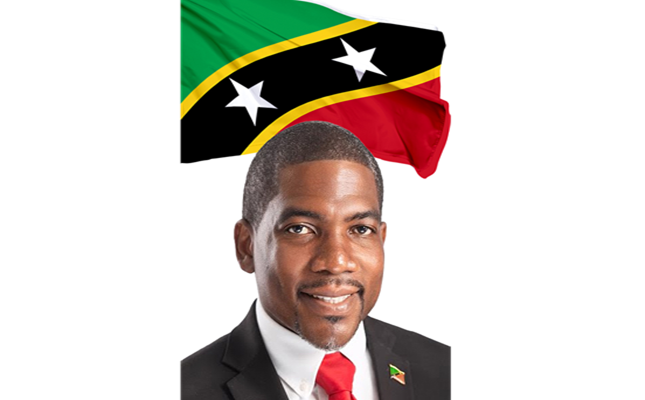
On April 10, 2026, the Caribbean Community (CARICOM) convened its 25th Special Emergency Meeting of the Conference of Heads of Government to address long-simmering governance disputes first raised by Trinidad and Tobago, centered on the controversial reappointment of the bloc’s Secretary-General. In a notable snub, neither the Prime Minister of Trinidad and Tobago nor any official representative from the nation participated in the emergency gathering. The statement released following the meeting was issued by CARICOM Chair Dr. Terrance Drew, who also serves as Prime Minister of St. Kitts and Nevis, and publicly dated April 11, 2026.
The official statement clarifies the sequence of events that sparked the current rift, dating back to CARICOM’s 50th Regular Conference of Heads of Government, hosted by St. Kitts and Nevis between February 24 and 27, 2026. According to the official documentation attached to the statement, all member states received full, timely advance notification of the conference’s official schedule, draft agenda, and detailed work program, which clearly outlined which topics would be addressed in open plenary sessions, closed caucuses, and the restricted Heads-only retreat. All member states, including Trinidad and Tobago, formally acknowledged receipt of every official communication related to the 50th Regular Conference, the document confirms.
Tensions emerged on the first day of the conference, when Trinidad and Tobago’s Prime Minister departed St. Kitts and Nevis on the evening of February 25, a full day ahead of the scheduled February 26 closed retreat. That same night, at 10:33 PM, Trinidad and Tobago’s Foreign Minister Sean Sobers contacted the Secretary-General via WhatsApp to ask whether he could attend the retreat in his Prime Minister’s absence. The Secretary-General confirmed that, consistent with past practice, a foreign minister could stand in for an absent head of government. However, Sobers immediately raised a concern: he experiences severe seasickness, and the retreat venue required a boat ride, leaving him uncertain he could attend.
A copy of the official WhatsApp correspondence included in the attached documentation captures the subsequent exchange. At 10:55 PM the same night, the Secretary-General updated Chair Drew on the interaction, writing: “Chairman. TT Foreign Minister Sobers called me to ask if he should come to retreat in the absence of his PM. I indicated that other Heads who have left may be represented by their FMs. He also indicated he gets seasick, so he’s not looking forward to the boat ride. So we may not have TT represented tomorrow.” Shortly after midnight, at 12:37 AM on February 26, the Secretary-General followed up directly with Minister Sobers, writing: “Minister, if the boat trip will cause nausea am sure the Chairman would understand if you chose not to come tomorrow.” After that message, Sobers never followed up to confirm he would be able and willing to attend the retreat, leaving Trinidad and Tobago unrepresented at the closed session.
During the retreat, under the standing agenda item focused on Community financing and governance, CARICOM heads took up the matter of the Secretary-General’s reappointment. Deliberating in accordance with Article 24 of the Revised Treaty of Chaguaramas, the governing document of the bloc, heads agreed to approve the reappointment, with the Secretary-General recusing himself from the room during the discussion. Out of courtesy to absent member state representatives, heads agreed to delay the official public announcement of the decision until all absent heads could be personally informed. While outreach to other absent leaders was successful, repeated attempts to contact Trinidad and Tobago’s Prime Minister via both email and telephone went unanswered. Eventually, Chair Drew was requested to contact Foreign Minister Sobers directly to relay the decision.
In addition to the Secretary-General’s reappointment, CARICOM heads reached two other key decisions during the February retreat: they established a special sub-committee of heads from Barbados, Dominica, Guyana, and Jamaica to conduct a comprehensive review of CARICOM institutional governance and financing, and they authorized a public statement on the bloc’s recent meeting with U.S. Secretary of State Marco Rubio under the agenda item covering global geopolitical developments.
In his opening statement to the April 2026 emergency meeting, Chair Drew emphasized that all context, correspondence, and meeting materials from the 50th Regular Conference have been released publicly as attachments to the emergency meeting statement, to ensure full transparency for all member states and regional stakeholders. Drew closed the statement with a call for unity, noting that CARICOM’s core mission of deepening regional integration to improve the quality of life for all Caribbean people must remain the top priority. He expressed hope that the bloc can return to resolving internal differences through established internal mechanisms in the future, warning that unfounded public statements risk eroding years of progress toward integration. Full supporting documents, including a complete timeline of pre-conference correspondence and the official work program, are available for public download on the official CARICOM website.