In Belize, growing anger and uncertainty have gripped the country’s public bus sector as multiple reports emerge of unapproved fare increases being imposed on daily commuters, while independent operators warn they could cease operations within days without urgent government financial support.
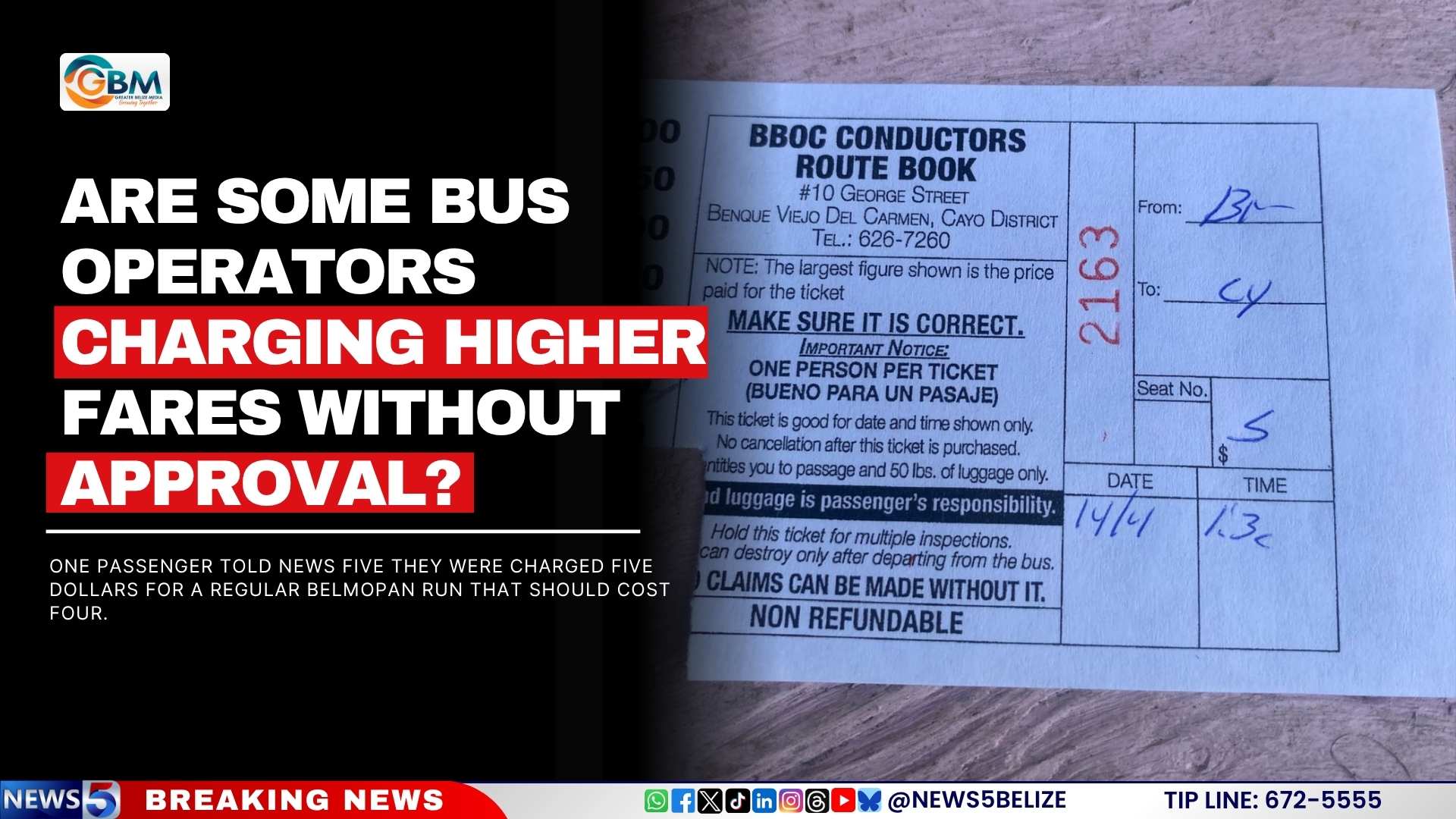
The controversy first came to light when a Belize-based commuter shared their experience with local outlet News Five, confirming they were charged $5 for a standard route between Belmopan and their origin point — a trip that is officially regulated to cost just $4. Under current government pricing rules, only premium express services on the same route are permitted to charge the $5 rate. The passenger provided an official receipt as evidence of the overcharge, and is now joining a growing chorus of riders questioning how some operators are able to charge above the legal price cap despite explicit public statements from transport officials confirming no fare adjustments have been authorized.
Beyond the immediate frustration of commuters over rising travel costs, the unapproved fare hikes are tied to a deeper, ongoing restructuring of Belize’s bus industry. On Monday, representatives of independent bus operators told News Five they are drafting an open letter to the Office of the Prime Minister, after growing frustrated that the Ministry of Transport has failed to address their mounting financial pressures. Operators say that without either a government-approved fare increase or targeted financial relief, many small independent companies will be forced to give up their independent status and join the newly launched National Bus Company (NBC), a state-aligned entity established to restructure the sector.
Transport Minister Dr. Louis Zabaneh has publicly responded to the operators’ demands, clarifying that while independent operators retain full constitutional right to request a meeting with the Prime Minister and raise their concerns, his ministry does not have the authority to grant exemptions from goods and services tax or issue emergency subsidies to struggling independent operators. He also pushed back against claims that the NBC is a tool for forced nationalization of the bus sector, noting that when the new entity was established, all independent operators were extended an invitation to join and access perks including free operational audits. To date, 19 operators have accepted the invitation, while dozens more chose to retain their independent status. “This is not a forced nationalization,” Zabaneh emphasized in his statement. “If operators say they can stand on their own, we respect that position entirely.”
Despite the minister’s reassurance, the Independent Bus Operators Association has issued an urgent warning that many of its member companies do not have the working capital to continue operating beyond the end of this week if no government support is forthcoming. The crisis has left both commuters and small operators in limbo: riders face unplanned cost increases for essential travel, while independent operators face an impossible choice between breaking government fare rules or shutting down their businesses entirely.