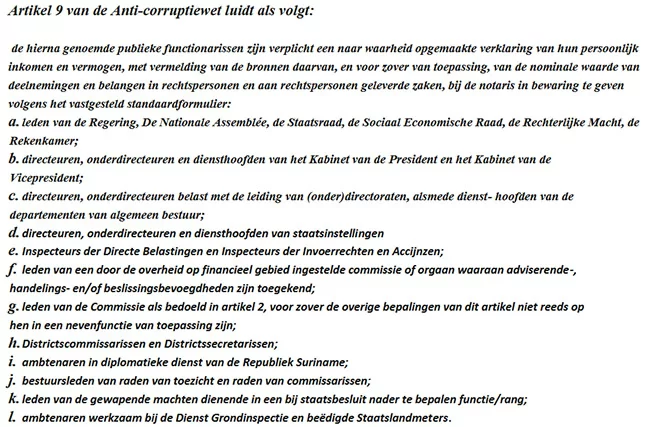
On April 14, the Dutch Anti-Corruption Commission (ACC) launched an urgent reminder to a wide range of public sector officials, urging them to complete their mandatory Income and Assets Declaration (VIV) before the final August 16, 2026 submission deadline. The mandatory filing requirement applies to a broad cohort of public servants, including cabinet ministers, members of parliament, senior civil servants, and other leading officials across all levels of the public sector. As the commission confirmed, a significant share of covered officials have not yet completed and submitted their required declarations.
ACC chair Ilse Krenten emphasized that the VIV mandate is a core pillar of the Netherlands’ national anti-corruption legislation, designed to entrench transparency and uphold ethical integrity across all branches of public governance. Despite the clear legal requirement for all eligible officials to file, a notable share of those covered have yet to fulfill this obligation. Krenten has issued a stark warning that non-compliance carries far-reaching legal and professional consequences. Criminal prosecution is one of the potential outcomes for officials who fail to submit their declarations on time, carrying a maximum penalty of four years’ imprisonment and a substantial monetary fine. A conviction for non-compliance would also result in a permanent criminal record.
Beyond criminal penalties, non-compliant public officials can also face severe administrative and professional repercussions, including formal disciplinary action, blocked future appointments or promotions, and lasting reputational harm for both the individual involved and the public agency they represent. The commission clarified that it does not function as a prosecuting body; instead, its core mandate centers on preventive oversight and monitoring of compliance with anti-corruption rules. Acting from this oversight role, the ACC is urging all required officials to avoid last-minute rushes and complete their submissions well in advance of the deadline.
For officials who have not yet initiated the filing process, the commission has outlined clear next steps: they are advised to contact a civil-law notary as soon as possible to deposit their completed declaration, then complete the formal registration process with the ACC. With several months remaining before the deadline expires, the commission has reaffirmed that early, timely submission is the only way for public officials to avoid avoidable legal and administrative complications down the line.