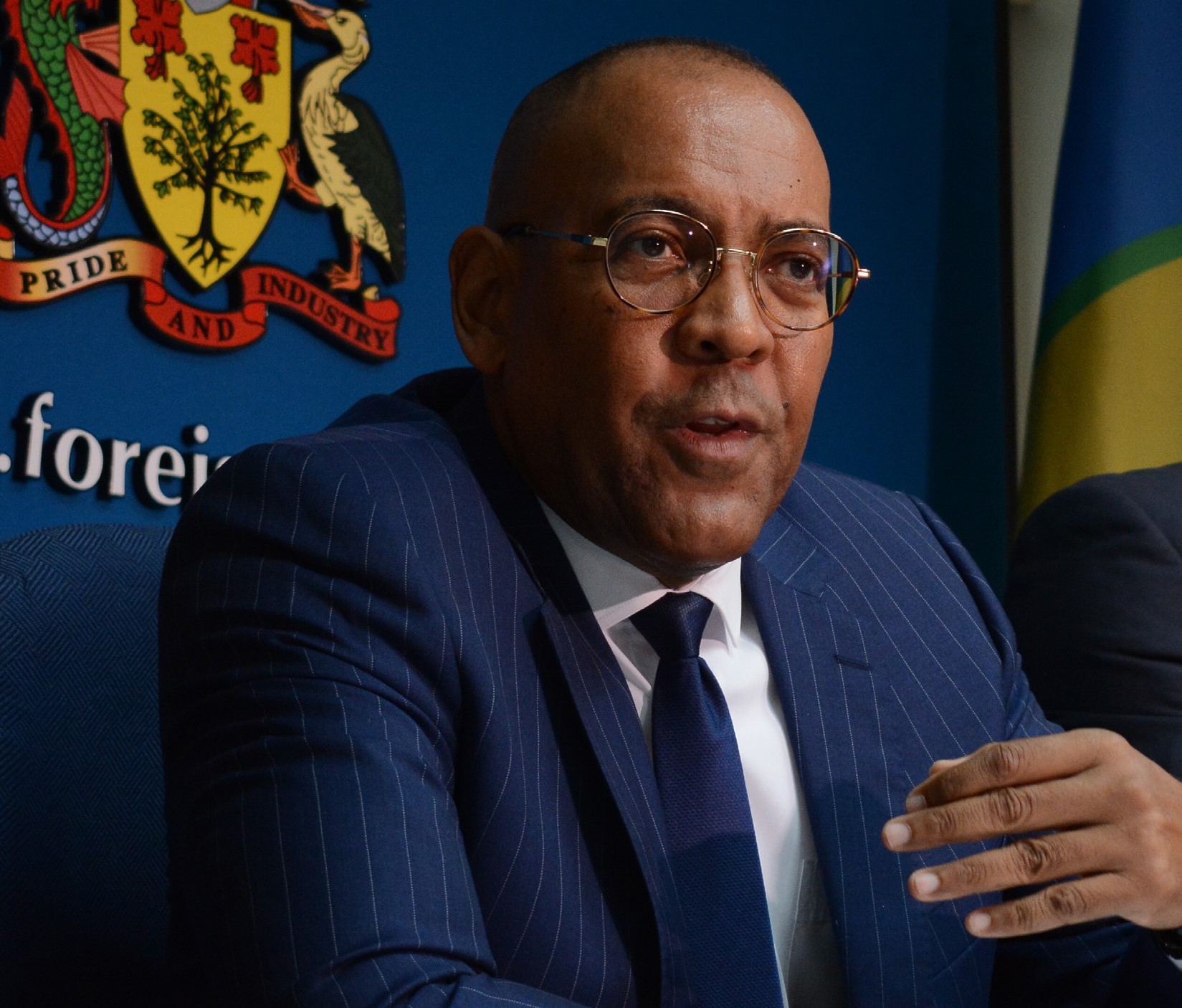
Barbados has elevated longstanding delays in residential and commercial solar panel installations and global competition for critical battery storage technology to a formal national security issue, Energy Minister Kerrie Symmonds has revealed in an exclusive interview with Barbados TODAY. The unprecedented designation has sparked sweeping, urgent restructuring of the island nation’s renewable energy sector, after years of gridlock that left both homeowners waiting for distributed energy systems and private investors facing costly, frustrating project hold-ups.
Symmonds openly acknowledged the depth of the sector’s bottlenecks, confirming that residents and businesses currently face a two-year waiting list for residential solar installation approvals and deployment. He told Barbados TODAY that the single largest external barrier to progress is the global race to secure battery storage technology, a critical component of reliable renewable energy systems that allows solar-generated power to be used after sunset. As a small island developing nation, Barbados’ relatively modest total demand for battery storage puts it at a distinct disadvantage against larger economies competing for the same limited global supply, the minister explained.
“Our demand requirements in the international market are not at a scale which commands the urgent attention of the suppliers, in other words our small size has been a problem in this matter,” Symmonds said.
To counter these external supply challenges, the Ministry of Energy has launched targeted internal regulatory and legislative reforms designed to streamline the entire approval and deployment process. Under direct oversight from Prime Minister Mia Amor Mottley, the sector has entered a period of intensive stakeholder consultation to modernize what many industry leaders have long criticized as an outdated, slow-moving regulatory framework.
Key reforms currently underway include the standardization of core industry documentation to cut down on negotiation and approval delays. This includes standardized templates for power purchase agreements, interconnection contracts that allow renewable energy systems to connect to Barbados’ national grid, and processes to facilitate the assignment of power purchase agreements between parties.
In addition to procedural overhauls, the government has initiated a full top-to-bottom review of the island’s existing renewable energy legislation, with the goal of creating a more flexible, comprehensive regulatory framework that opens up green energy investment to a broader cross-section of Barbadian society. Stakeholders are also working to resolve routine day-to-day operational barriers that have slowed the sector’s growth for years.
A central priority of the new legislative package, which fulfills a key campaign promise from the re-elected Mottley administration, is the formalization of fractional ownership for large-scale renewable energy projects. To expand access to the financial benefits of the green transition, the government plans to introduce a unit trust structure that will allow ordinary Barbadian citizens to purchase small stakes in utility-scale solar and wind energy projects, rather than restricting investment to large corporations or high-net-worth individuals.
“We are paying some attention to the need for our legislation to now reflect fractional ownership,” Symmonds said. “Our goal is broadening the base of inclusion so that the financial returns of the green economy reach all sectors of the Barbados community.”
Since the Mottley administration won re-election on February 11 and formed a new cabinet, senior government officials have held direct working sessions with renewable energy industry stakeholders to identify and resolve decades of accumulated backlogs and unaddressed concerns, the minister added.
“I am sending a clear signal that much work has been done and continues to be done to correct this situation,” Symmonds said. “Collectively the delay has been analysed and assessed and the difficulties are being identified and unraveled.”
While ongoing global energy market volatility and supply chain disruptions continue to create headwinds for the Caribbean nation, Symmonds said he confidently expects that the aggressive industry restructuring will deliver significant, tangible improvements to solar rollout timelines in the near term.
Barbados TODAY attempted to secure comment from the Barbados Renewable Energy Association on the government’s reform plans, but multiple requests for comment went unanswered as of publication.