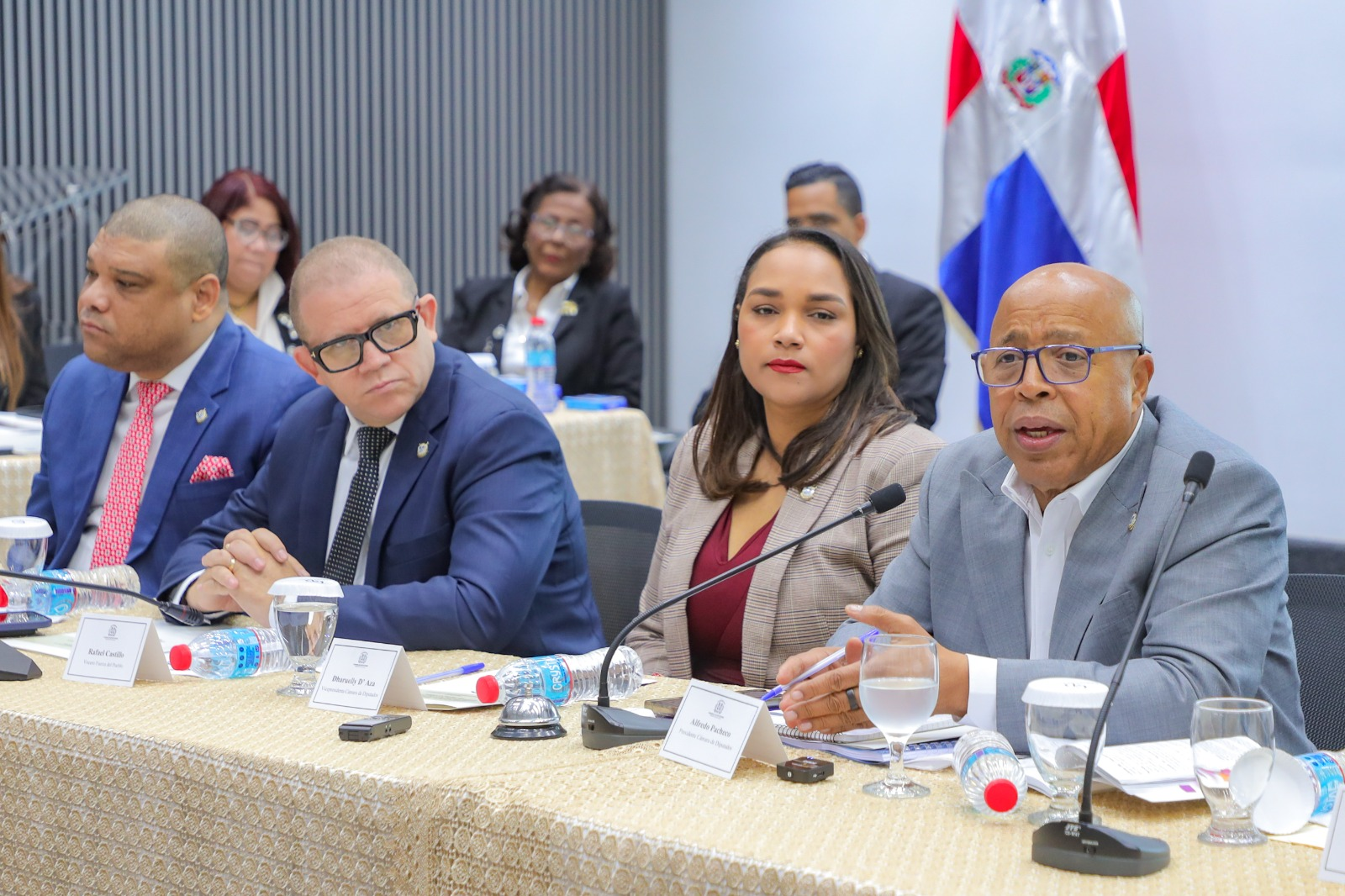
SANTO DOMINGO — The Dominican Chamber of Deputies has greenlit a strategic transfer of state-owned property, greenlighting a major project aimed at boosting youth employment in the country’s critical tourism sector. The sprawling Legislator’s Club, an approximately 9,000-square-meter facility located in the eastern district of the capital Santo Domingo, will be handed over first to the General Directorate of National Assets, which will subsequently reassign the site to the National Institute of Technical and Professional Training (INFOTEP), according to an official announcement from the lower legislative chamber.
Alfredo Pacheco, president of the Chamber of Deputies, laid out the goals of the property repurposing in a public briefing. He noted that the location was selected for its accessibility and size, which makes it ideal for hosting hands-on training facilities, lecture halls, and simulated work environments tailored to the needs of the tourism industry. Once the facility is redeveloped, INFOTEP will roll out a suite of specialized technical training programs designed to equip new entrants to the workforce with industry-relevant skills, opening up accessible career pathways for thousands of young Dominicans interested in building long-term careers in hospitality, travel management, culinary arts, eco-tourism, and other fast-growing sub-sectors of the national tourism industry.
The transfer process already has full legal backing, with executive decrees already issued that formally classify the property as a public utility asset designated for educational use. This project is not an isolated policy adjustment, but rather a core component of a wider national initiative to reallocate underused state assets toward public education and workforce development. Government officials say the initiative prioritizes investments that align with the country’s long-term economic growth goals, given that tourism consistently ranks as one of the Dominican Republic’s largest sources of foreign exchange and job creation for working-age people.