On a Monday in Bayahíbe, an unexpected hailstorm caught local residents off guard, and new analysis from researchers at the Pontifical Catholic University Madre y Maestra (PUCMM) has pinpointed the rare atmospheric conditions that drove the extreme weather event. The research team confirms that unusual atmospheric behavior was at the core of the storm, which brought an unprecedented 12°C temperature plunge over just 45 minutes.
According to the study’s peer-reviewed findings, the hailstorm formed when a mass of cold air collided directly with a warm, moisture-saturated air mass sitting over the coastal region. Between 3:00 p.m. and 3:45 p.m. local time, this clash dragged temperatures down from a balmy 32°C to a cool 20°C. The stark temperature contrast between the two air masses generated powerful upward air currents within the developing storm clouds. These strong updrafts lifted tiny water droplets high into the freezing upper layers of the cloud, where the droplets froze into ice pellets that grew into hailstones before falling to the ground.
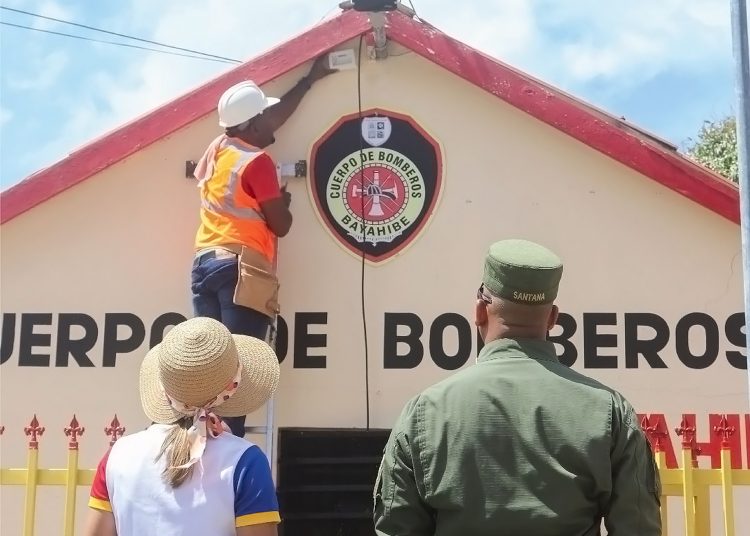
The data behind these conclusions was collected from a network of environmental sensors and a dedicated local weather station, placed in Bayahíbe as part of a broader national climate adaptation research initiative. Beyond explaining the hailstorm, the monitoring network has also detected shifting rainfall patterns across the region that deviate from historical norms. As of the current point in 2026, total accumulated rainfall in Bayahíbe has already hit 1,392.9 millimeters – far exceeding the full historical annual average of 970 millimeters. The month of April alone recorded 113.8 millimeters of rain, signaling a significant departure from long-term trends.
This local research effort is designed specifically to boost climate resilience for at-risk coastal communities like Bayahíbe, which are disproportionately vulnerable to the impacts of shifting weather patterns and increasing extreme weather events. By generating granular, hyper-local climate data, the initiative aims to provide policymakers and community leaders with evidence-based insights to support more effective planning, disaster preparedness, and adaptation decision-making. The hailstorm analysis underscores a key takeaway: targeted local climate research is an essential tool to help communities anticipate, prepare for, and respond to the growing frequency of extreme weather events driven by changing global climate conditions.