The International Monetary Fund (IMF) has delivered a downward revision to its 2026 global economic growth projection, issuing a stark warning that prolonged conflict in the Middle East could trigger far more devastating economic damage if oil markets face further runaway price hikes.
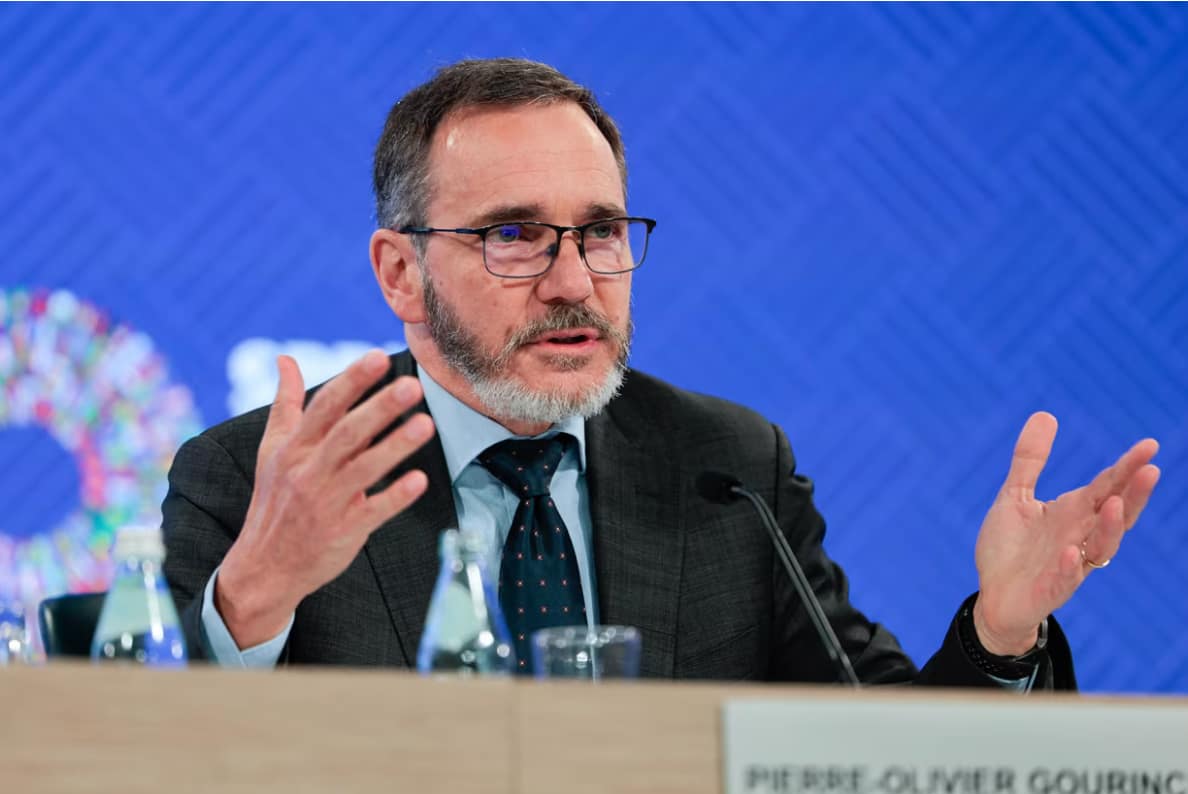
In its freshly released *World Economic Outlook* report, IMF Economic Counsellor Pierre-Olivier Gourinchas emphasized that the global economic landscape has darkened sharply and unexpectedly in the wake of the Middle East conflict’s outbreak. He cautioned that the ongoing turmoil has the potential to unleash an energy crisis of a scale not seen before on the global stage.
Under the baseline forecast, which operates on the assumption that the conflict remains contained and relatively short-lived, the IMF now projects global economic growth will hit 3.1% this year. That marks a 0.2 percentage point drop from the fund’s January projection. The report also forecasts that global inflation will climb to 4.4% in 2026.
The IMF does not stop at the baseline projection, however. It has mapped out two alternative scenarios that outline the economic fallout if the conflict drags on for an extended period. In the most severe of these hypothetical cases, global oil and natural gas prices would surge between 100% and 200% compared to January levels, and remain elevated through 2027. Under this outlook, global growth would slump to just 2% for 2026.
That 2% growth figure puts the global economy on the brink of a full recession, which the IMF defines as annual growth below the 2% threshold. Since 1980, the global economy has only fallen into recession four times, highlighting how serious this downside risk is.
Looking back at pre-conflict trends, the IMF notes that the global economy was outperforming most projections just months ago, with growth on track for an upward revision this year. There is also one small bright spot that partially offsets the downward growth adjustment: compared to 2025, average U.S. tariff rates have fallen, which has softened the overall negative revision, the fund confirmed. The reporting for this update included contributions from CNN’s Olesya Dmitracova.