As Barbados prepares to launch a landmark government-commissioned study quantifying the economic harm inflicted by centuries of chattel slavery, a senior adviser to the island nation’s government is calling on citizens to reframe the global reparations conversation: rather than viewing it as a fight for individual cash handouts, he argues, the movement must be positioned as a transformative, nation-building strategy to address intergenerational inequality rooted in the transatlantic slave trade.
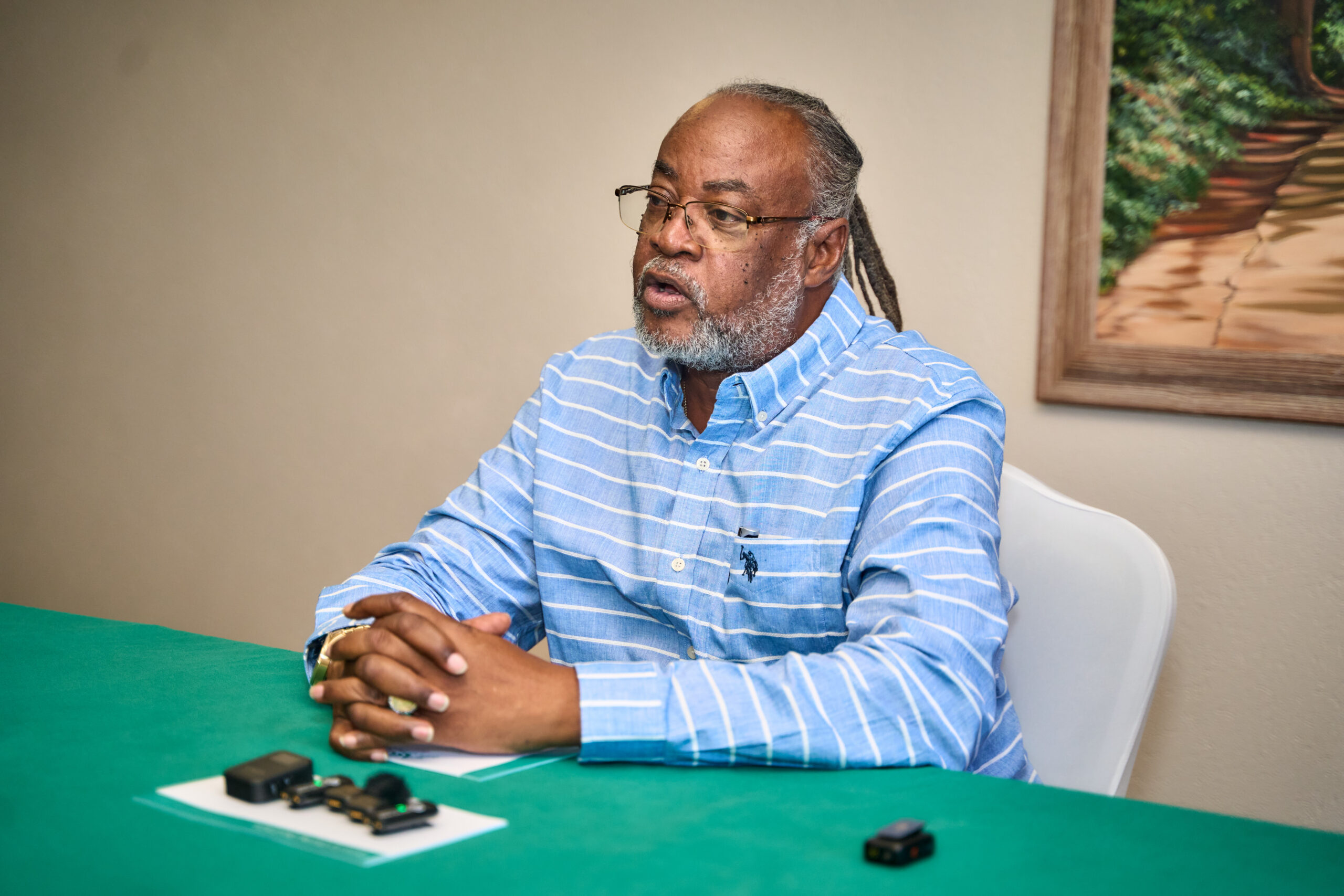
Speaking at a pre-launch press briefing held at Accra Beach Hotel, Rodney Grant, programme advisor in Barbados’ Office of Pan-African Affairs and Heritage, laid out the core purpose of the upcoming research. The study, led by economist Dr Coleman Bazelon and executed by Public Interest Experts Incorporated (PIEI) on behalf of the Barbadian government, set out to calculate the total monetary value of uncompensated forced labour extracted from enslaved Africans between the first European settlement of Barbados in 1627 and formal emancipation in 1834.
Far from being an end goal in itself, Grant emphasized that the data gathered through this research will serve as the foundational evidence for a broader national framework to tackle deep-seated social and economic challenges that persist in Barbados to this day. He rejected the common misperception that the Barbados reparations movement exists solely to secure direct financial payouts from European former colonial powers. Instead, he argued that the process should center on advancing targeted progress across key national priorities aligned with the movement’s 10-point plan, including public health system improvements, expanded educational access, and the restoration of cultural identity stolen under slavery.
“It makes no sense to talk about getting a million dollars and splitting it across the country… It is about the buildup of our institutional framework. That’s what’s absolutely important,” Grant told reporters. He drew clear connections between centuries of enslavement and nearly every major structural challenge facing modern Barbados, from widespread public health gaps to environmental degradation and persistent wealth inequality. Grant noted that the extraction of resources and forced labour from Barbados fueled the Industrial Revolution in Europe, leaving the island with no domestic industrial base of its own – a legacy that continues to shape its economic vulnerabilities today. He also traced current high rates of diet-related illness, widespread damage to island ecosystems, and unequal land ownership directly to exploitative colonial and slaveholding practices.
Grant acknowledged that reparations remains a polarizing and sensitive topic for many Barbadians, but insisted that open national dialogue on the issue is no longer avoidable. “We can’t hide from this subject anymore. We must begin to package it in a way that the whole country benefits and not individual by individual,” he said.
To illustrate his vision for how a complex, longstanding global issue can be turned into actionable policy, Grant pointed to the widely acclaimed Bridgetown Initiative, the high-profile campaign led by Barbadian Prime Minister Mia Mottley to reform the global financial system. The initiative, which has gained widespread international support, seeks to ease crippling debt burdens for climate-vulnerable developing nations and unlock billions in new funding for climate resilience and sustainable development – exactly the kind of structured, inclusive approach Grant says is needed for the reparations movement. “We don’t have all the answers and this is why we have to keep engaging,” Grant added.
Full details of the reparations study will be unveiled this Wednesday during the official launch of Barbados’ annual Season of Emancipation, an event that will also mark the beginning of a nationwide public engagement process to gather input on how to translate the study’s findings into policy action.