Tensions around the strategically vital Strait of Hormuz reignited dramatically on Saturday, as Iran backed away from its recent partial reopening of the waterway and launched attacks on passing commercial vessels. The escalation comes in direct retaliation for the United States’ ongoing maritime blockade of Iranian ports, a core pressure tactic in the eight-week conflict between the two nations.
In an official statement Saturday, Iran’s Revolutionary Guard Navy announced that the strait will remain fully closed to commercial traffic until the U.S. blockade is permanently lifted. The force issued a stark warning to global shipping: “no vessel should make any movement from its anchorage in the Persian Gulf and the Sea of Oman, and approaching the Strait of Hormuz will be considered as cooperation with the enemy” — a designation that puts any errant vessel at risk of being targeted.
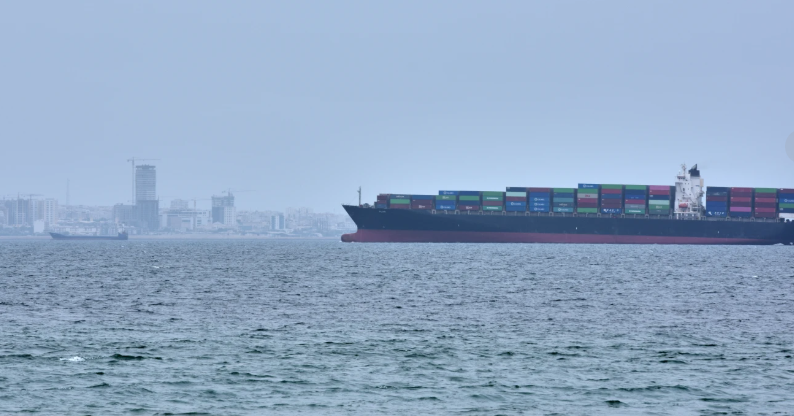
The United Kingdom’s United Kingdom Maritime Trade Operations center confirmed the attacks, reporting that Revolutionary Guard gunboats fired on a tanker, while an unknown projectile struck a container ship, damaging cargo containers on board. India’s foreign ministry has since escalated the diplomatic fallout, summoning Iran’s ambassador to New Delhi to protest the incident: two of the vessels hit were flying the Indian flag, a particularly provocative move after Iran had recently allowed multiple India-bound ships to pass through the strait unimpeded.
This latest escalation comes at a precarious moment for regional diplomacy: a fragile temporary ceasefire is set to expire this coming Wednesday. Iranian officials confirmed that Tehran has received a new set of negotiating proposals from Washington, with Pakistani mediators currently working to arrange a new round of direct talks between the two adversaries.
Just days before Saturday’s attacks, Iran’s joint military command had announced that control of the strait had “returned to its previous state … under strict management and control of the armed forces,” signaling a partial easing of restrictions that had raised hopes for de-escalation.
For Iran, controlling access to the Strait of Hormuz — through which roughly 20% of the world’s daily oil supplies transit — remains its most impactful leverage in the conflict. The current conflict began on February 28, when the U.S. and Israel launched military operations amid stalled negotiations over Iran’s nuclear program. Closing the strait puts immediate pressure on the global economy, inflicting political strain on Western leaders while the U.S. naval blockade aims to cripple Iran’s already fragile economy.
Iran’s newly installed supreme leader, Ayatollah Mojtaba Khamenei, delivered a defiant address Saturday, asserting that Iran’s navy stands “ready to inflict bitter defeats on its enemies.” Khamenei, who assumed the role following his father’s death in Israel’s opening offensive of the war, has not been seen in public since he took office.