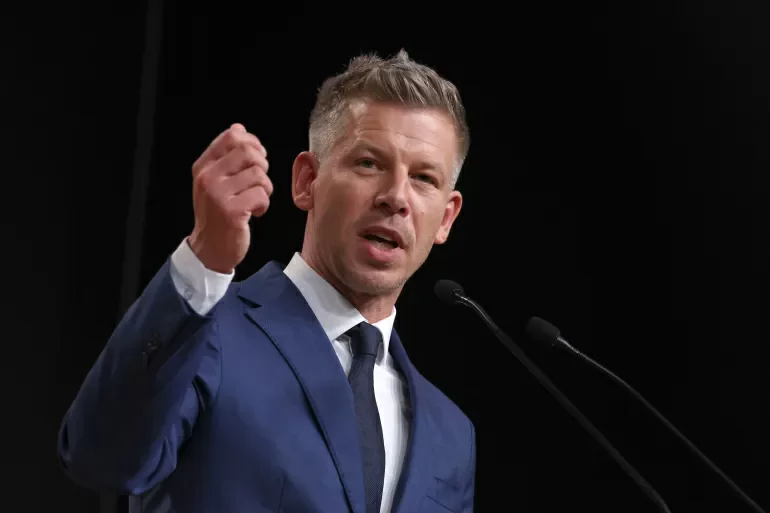
After more than 16 years of populist rule marked by constant confrontation with Brussels, Hungary’s political landscape has shifted dramatically following a landslide parliamentary election win for opposition leader Peter Magyar and his Tisza Party. The April vote ousted long-serving prime minister Viktor Orbán, whose tenure was defined by repeated clashes with the European Union over rule of law, democratic norms, and policy toward Russia and Ukraine, opening a new chapter of potential rapprochement between Budapest and the bloc.
For years, Orbán’s adversarial relationship with Brussels brought Hungary repeated threats, EU sanctions, and frozen development funds. His open support for Moscow, repeated vetoes of EU sanctions on Russia, and steadfast opposition to financial aid for Kyiv left the country diplomatically isolated, with billions in critical EU funding held up over Budapest’s failure to meet anti-corruption and judicial independence benchmarks. Voters, frustrated by three years of stagnant economic growth, the highest inflation rate in the EU through 2023, and soaring living costs, delivered a decisive mandate for change, backing Magyar’s campaign pledge to unlock frozen EU funds and reboot Hungary’s struggling economy.
Political analysts across Europe now see a new cooperative partner for EU institutions in Budapest. “Magyar does not want Hungary to become a pariah state; he views the country as an integral part of the EU and aims to have a meaningful seat at the table in Brussels policy debates,” explained Orsolya Raczova, a senior analyst at Eurasia Group. She added that unlocking the more than €16 billion in post-pandemic EU recovery funds held by Brussels is Magyar’s top policy priority – a goal that will push the new government to meet Brussels’ conditions by the August deadline for judicial reform, anti-corruption overhauls, and rule of law improvements.
The pressure to unlock these funds is also expected to push Magyar into a less confrontational stance on Ukraine policy, despite the new prime minister’s existing positions. A conservative former ally of Orbán who broke with the ex-prime minister in 2024, Magyar still opposes accelerated EU accession for Ukraine and outright military support for Kyiv. But experts widely predict he will drop Orbán’s veto on a multi-billion euro EU loan for Ukraine, paving the way for a grand bargain between Budapest and Brussels.
“There will be a straightforward trade: progress on aid to Ukraine in exchange for unlocking funding for Hungary,” said Pawel Zerka, a policy fellow at the European Council on Foreign Relations.
On Russia policy, Magyar has signaled he will draw Hungary closer to the Western alliance while maintaining limited energy ties to Moscow, a pragmatic compromise that aligns with domestic voter priorities. Hungary remains heavily dependent on Russian energy, with few viable alternatives amid global supply disruptions tied to ongoing regional conflicts. “Magyar will continue purchasing Russian oil to guarantee domestic energy security while gradually shifting political alignment away from Moscow,” Zerka noted, echoing Magyar’s own comment that reducing dependence does not require an immediate full cut-off of trade.
The departure of Orbán, who was the EU’s most vocal and consistent blocker of collective policy on Russia and Ukraine, does not mean full consensus within the bloc on these issues, however. For years, other member states skeptical of Ukrainian accession or harsh sanctions on Moscow were able to hide behind Orbán’s high-profile opposition. Now, Zerka said, “Those governments will be forced to state their own positions openly.”
On migration policy, analysts expect a softening of Orbán’s harsh, culture war-driven rhetoric, though the Tisza Party will maintain a relatively hardline approach to border control. Orbán’s government was fined €200 million by the EU for violating asylum seeker rights, and Magyar is expected to open negotiations to resolve that penalty. However, Tisza will retain the controversial border fence along Hungary’s southern border and continue to oppose EU-mandated refugee relocation quotas.
“We won’t see Orbán-style aggressive anti-immigration campaigns and civilizational rhetoric, but we also won’t see a rush to tear down the border fence,” said Gabor Scheiring, a former Hungarian parliament member and political scientist. “While Magyar governs from the right, he will have to balance a range of competing interests. Symbolic issues like culture and migration will take a backseat to economic priorities, but major liberal overhauls are extremely unlikely.”