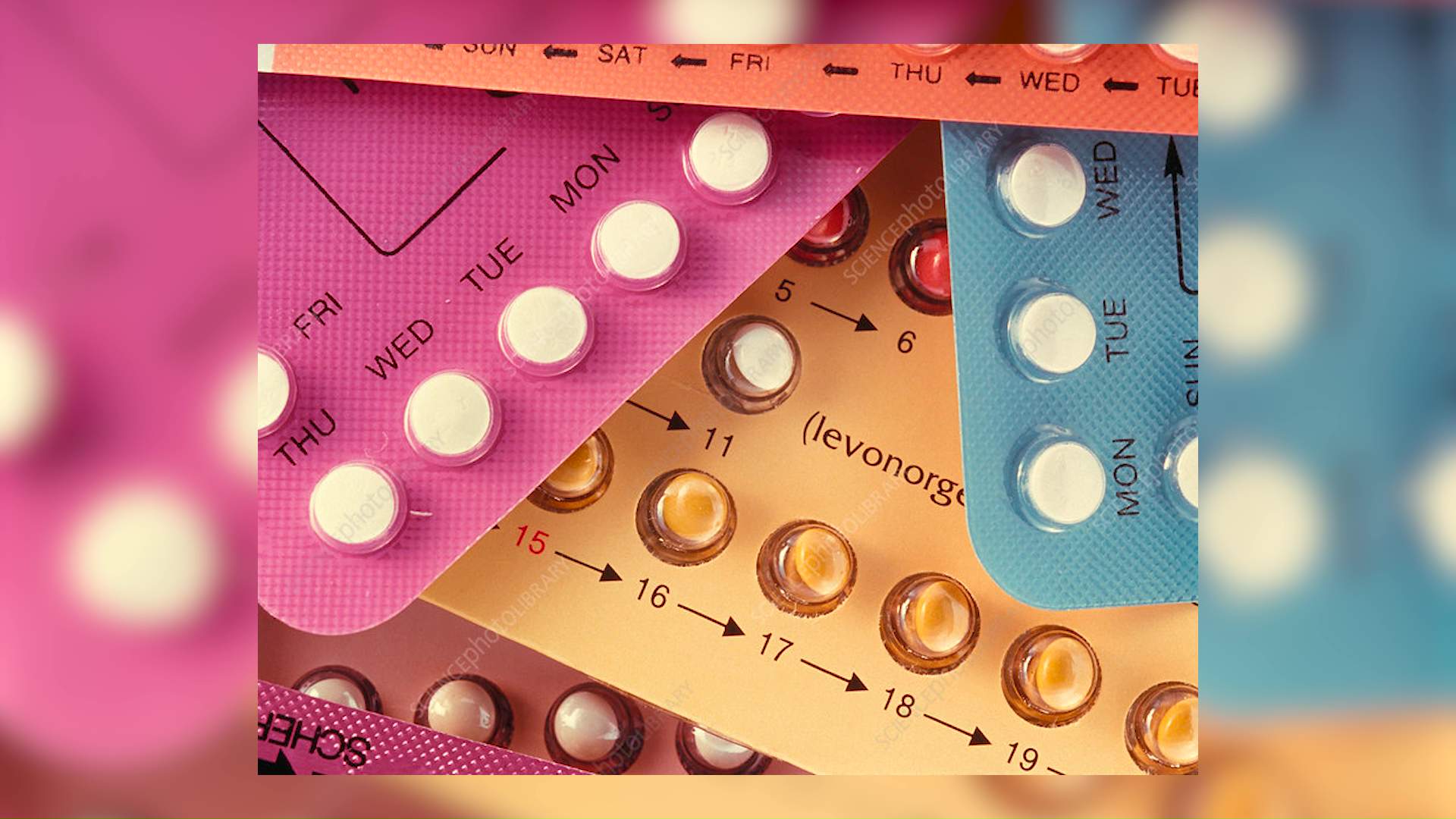
In the small Central American nation of Belize, a routine trip to the local pharmacy has become the center of a fierce national conversation over healthcare access, after the Ministry of Health and Wellness launched a sudden crackdown on the unregulated sale of prescription-only medications. What has left thousands of Belizeans confused and frustrated is that the requirement for a doctor’s prescription for these drugs is not a new policy – but the abrupt shift to strict enforcement, after decades of informal over-the-counter access, has upended long-standing patient habits and exposed deep gaps in the country’s public health system.
The enforcement sweep, which the ministry framed as a patient safety measure, covered a range of medications that Belizeans have purchased without medical documentation for years, including hormonal contraceptives and maintenance drugs for chronic conditions. The public pushback was almost immediate, with vulnerable patient groups – long-term chronic illness patients, young people, and women of reproductive age – leading the outcry, warning that the new barriers would cut off access to life-sustaining and essential care.
Facing mounting public pressure, the Ministry of Health and Wellness has already backed away from its immediate full enforcement plan, and is now revising its approach to address community concerns. Dr. Melissa Diaz-Musa, Director of Health Services at the ministry, clarified in a public statement that the new rules would not require monthly doctor visits for medication refills. Under the revised framework, she explained, doctors and nurses are permitted to issue multi-month prescriptions, including up to three months of contraceptive refills for stable patients, to reduce unnecessary burdens on people seeking ongoing care.
Most notably, the ministry has announced a 12-month phased implementation of the prescription requirements, a concession designed to create time for outreach, stakeholder collaboration, and public education. Diaz-Musa also openly acknowledged two key missteps that fueled the public backlash: the ministry had underestimated how many Belizeans relied on over-the-counter access to prescription medications, and it failed to conduct meaningful pre-enforcement consultation or launch a public education campaign to explain the difference between over-the-counter and prescription-only drugs, and the reasoning behind the rules.
“A large scale public health campaign should have been conducted simultaneously with the discussions that we had with store owners and the pharmacy association, and this is acknowledged here today,” Diaz-Musa said.
Even with the revised phased plan, health advocacy groups warn that the new requirements still carry serious public health risks, particularly for reproductive health. Belize already struggles with high rates of adolescent pregnancy: the latest Multiple Indicator Cluster Survey data puts the national adolescent birth rate at 58 births per 1,000 girls aged 15 to 19, with 13.4% of young people giving birth before their 18th birthday. Advocates note that 15% of Belizean women already have unmet demand for family planning, a number that will almost certainly rise if access to contraception becomes more complicated.
“My reaction, and it’s also an appeal to the decision makers, to let’s rethink this,” said Joan Burke, Executive Director of the Belize Family Life Association. “Because I look back now at the last census or the last survey that was done to look at the unmet needs for family planning unmet needs was at fifteen percent. And I can see that just increasing when, especially when compared to other Caribbean countries and to Central America.”
Medical professionals have also pushed back on the ministry’s original rushed approach, even as many support the long-term goal of regulated prescription access. Gynecologist Dr. Marcello Coyi recently addressed the debate on social media, noting that more than 90% of women can use hormonal contraceptives safely, with only a small share of high-risk patients facing potential complications. He echoed calls for a slow, phased rollout paired with widespread public education, a framework the ministry has now adopted.
A second controversial regulation has added to public frustration: an existing rule banning children under 12 from purchasing any medication has also been suddenly enforced. In many Belizean households, pre-teens and teenagers are often tasked with picking up prescription medications for elderly or disabled family members who cannot travel to pharmacies easily. Critics argue that enforcing this ban without adaptation will unintentionally harm low-income and multigenerational families who rely on this informal arrangement to access care.
While ministry officials have repeatedly emphasized that none of the enforced regulations are new policy changes, they have conceded that the timing and method of enforcement were poorly planned, and that adjustments to how the rules are applied will be necessary to protect patient access. As the 12-month phase-in period gets underway, all stakeholders – from public health officials to pharmacists to patient advocates – will work to find a balance between the ministry’s goal of improving patient safety and the public’s demand for accessible, affordable care.