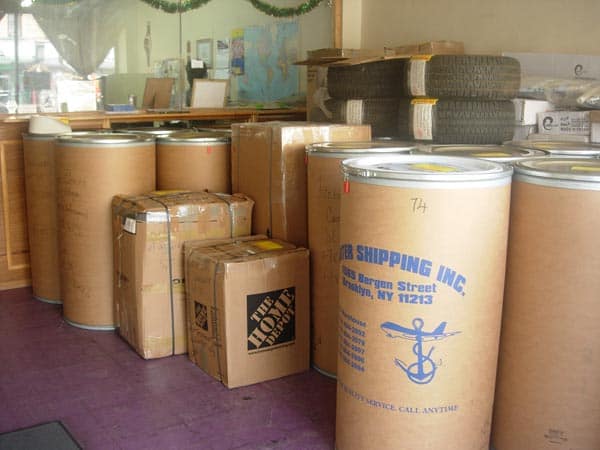
ST JOHN’S, Antigua — With less than two months to go until Antigua and Barbuda’s April 30 general election, cost-of-living pressures have taken center stage as a key voting issue, prompting the main opposition United Progressive Party (UPP) to roll out a sweeping package of household affordability measures led by an expansion of existing barrel concessions.
Speaking to supporters at the party’s official campaign launch on Sunday evening, UPP leader Jamale Pringle laid out the full slate of policy proposals, framing the plan as a direct response to the growing financial strain that working families across the twin-island nation are facing amid soaring prices for basic necessities. Pringle emphasized that the current restricted barrel concession program, which allows reduced duties on goods shipped to residents in barrels, would be broadened to deliver ongoing, meaningful relief to households grappling with steady food price inflation.
Beyond the expanded barrel concessions, Pringle announced a new targeted Water Tanks and Accessories Relief Program, designed to address longstanding inconsistent water access across the country. Under the proposal, all taxes on critical water storage and delivery equipment—including holding tanks, pressure tanks, and water pumps—would be eliminated entirely. Pringle clarified that the tax removal would act as an interim solution for households until the UPP, if elected, can implement a permanent fix to deliver consistent, daily piped water service to all communities.
The opposition leader also put forward major changes to vehicle import policy to cut transportation costs for residents, promising to fully remove import duties on personal passenger vehicles. The move would bring down the upfront cost of vehicle ownership, making private transportation far more accessible for working families that rely on cars for daily commutes, school runs, and essential travel.
Pringle tied all the party’s proposals directly to what he framed as failing cost management under the current sitting administration, arguing that everyday Antiguans and Barbudans have seen unchecked increases in prices and public fees over the current government’s term. He outlined the UPP’s core governing promise as delivering tangible improvements to daily quality of life: accessible food that families can afford, well-maintained safe roads, vehicles that do not force households into debt, reliable running water, and accessible healthcare when people need it.
For Pringle, the package of relief measures is far more than a campaign platform—it is a binding commitment to the electorate. “This is not a wish. This is a contract with the people of Antigua and Barbuda,” he told supporters.
As the election campaign intensifies, cost-of-living issues have emerged as the central battleground between the country’s two major political parties, with both the governing party and the UPP working to convince voters that their respective policy agendas offer the most effective path to reducing household financial strain and delivering long-term economic stability.