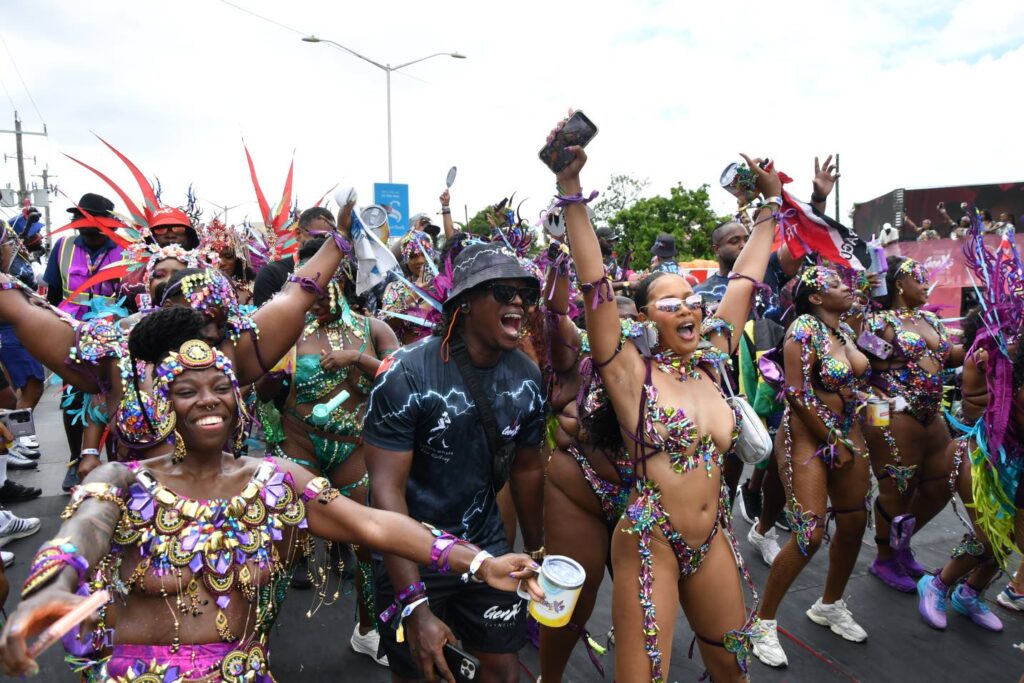
Weeks after Jamaica faced widespread devastation from Category 5 Hurricane Melissa, the island’s annual Carnival Road March brought tens of thousands of revellers and international visitors to the streets over the weekend, with top tourism officials hailing the event as a powerful milestone in the country’s economic and social recovery. While some attendees and observers noted that 2026’s crowd sizes for individual festival bands did not reach the peaks seen in 2025’s staging, Jamaica’s Minister of Tourism Edmund Bartlett said he left Sunday’s celebrations deeply encouraged by the overall turnout and seamless event execution. In an exclusive interview with the Jamaica Observer, Bartlett framed the 2026 Carnival as more than a cultural celebration: it is a global signal that Jamaica is open for business, ready to welcome visitors back after last October’s storm caused billions in infrastructure damage and disrupted the island’s core tourism sector. Bartlett also acknowledged that the event was organized against a backdrop of persistent global economic headwinds, including volatile, elevated global fuel prices driven by ongoing conflict across the Middle East involving Israel, Iran, and the United States. For Jamaican communities still reeling from the trauma of Hurricane Melissa, the minister noted that the festival served a critical social purpose beyond economics, offering a much-needed outlet for collective joy and stress relief after months of recovery work. “It was a great opportunity for tension release and exhaling after that massive hurricane and all the trauma that it brought,” Bartlett told the Observer. “It is an excellent show. Jamaica is opened for business and we are back. The level of organisation and the management of it, trying to deal with numerous moving parts to put on a Carnival of this magnitude, is a real statement of the efficiency of the capacities that exist in the country to execute other large-scale projects.” The 2026 Carnival united attendees from every corner of the island, from downtown urban neighborhoods to uptown residential districts, alongside a substantial contingent of international tourists. Bartlett confirmed that official attendance and visitor numbers are still being compiled, but preliminary data suggests strong international turnout, a positive sign for the country’s broader tourism rebound. Last year’s Carnival generated an impressive $165.7 billion in total economic activity for Jamaica, a figure Bartlett called a high bar for the 2026 event. Even if this year’s festival hits just 60% of that total economic output, Bartlett said that result would be more than satisfactory, given the challenges the country has overcome in the months leading up to the event. The festival delivers outsize economic benefits for small and medium-sized local businesses, independent creative workers, and community stakeholders across the tourism and hospitality sectors, Bartlett explained, with widespread ripple effects that support livelihoods across the island. Organizers also made a concerted push this year to partner with hundreds of social media influencers from around the world, who shared live content of the celebrations with their global audiences to amplify the message that Jamaica is fully open for tourism. Organizing photos from the event captured jubilant revellers in colorful costumes dancing along Knutsford Boulevard, with even on-duty police officers joining in the lighthearted atmosphere of the day. In a closing statement, Bartlett expressed confidence that the successful 2026 Carnival would lay a strong foundation for sustained growth in Jamaica’s tourism sector through the rest of the year.