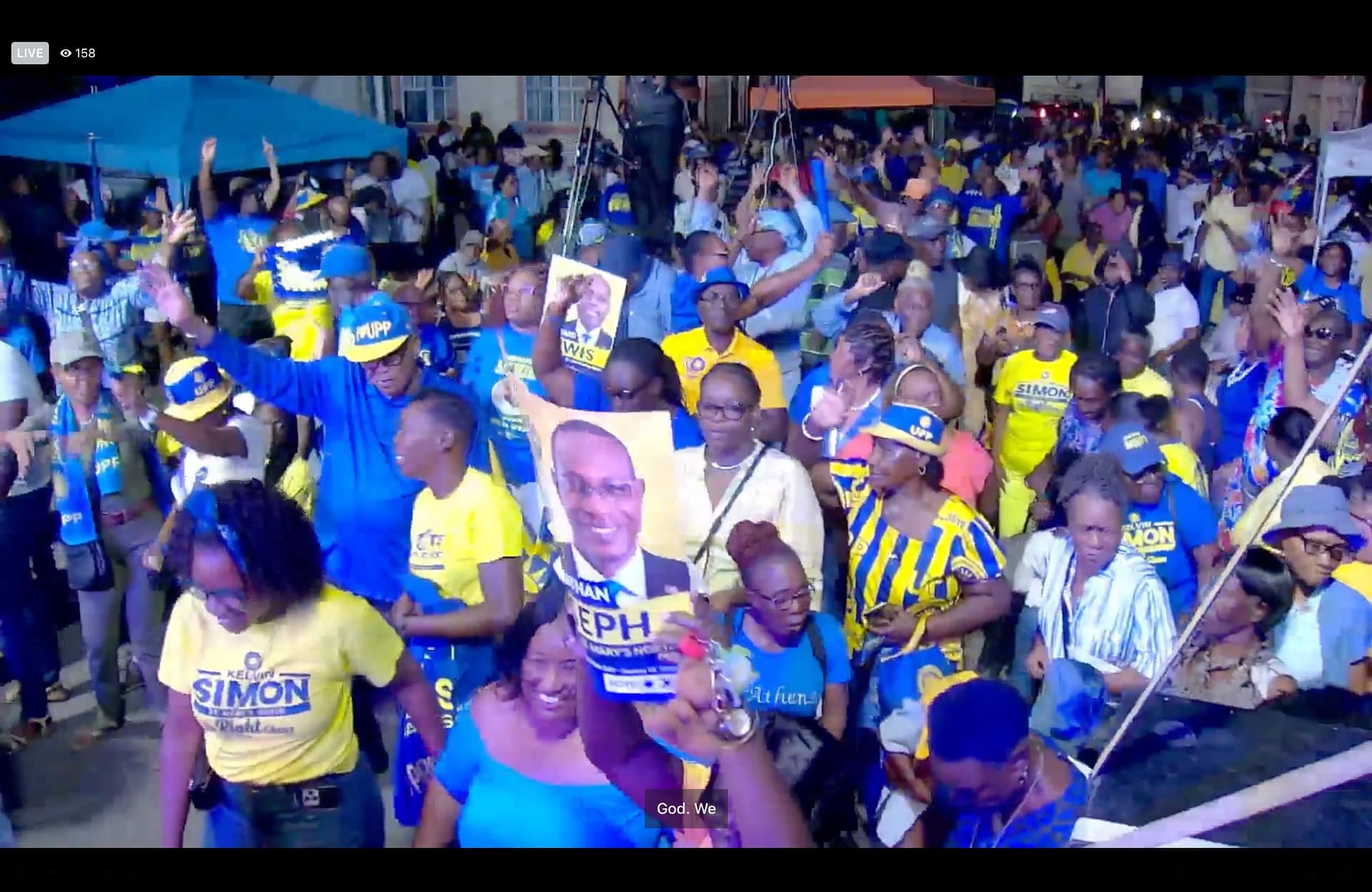
In a major political development unfolding this week, the United Progressive Party (UPP) has formally initiated its campaign for the 2026 national general election, marking the official start of what is expected to be one of the most competitive electoral cycles in recent national history.
The launch event, held at the party’s national headquarters and broadcast live to thousands of party members and political observers across the country, brought together hundreds of grassroots activists, elected officials, and key party donors. Party leadership used the occasion to outline a broad policy platform focused on three core pillars: economic revitalization for working-class households, expanded access to affordable healthcare, and climate action that balances environmental protection with job creation in emerging green industries.
Addressing the crowd, UPP’s party president emphasized that the campaign would center on amplifying the voices of voters who have felt overlooked by the current governing administration. “For too long, working families across this nation have watched cost of living surge while their wages have stayed stagnant,” the president stated in their keynote address. “This campaign is not just about winning votes—it’s about rebuilding a government that works for every citizen, not just wealthy special interests.”
Party organizers confirmed that the campaign structure will prioritize grassroots outreach, with hundreds of field organizers set to deploy to competitive swing districts over the coming 18 months. The UPP is also expected to ramp up digital advertising and voter registration efforts targeting young voters, a demographic that has increasingly shifted toward opposition parties in recent elections.
The launch comes as polling data shows the race remains effectively tied, with neither the ruling party nor the leading opposition bloc holding a clear lead among likely voters 18 months ahead of election day. Political analysts note that an early campaign launch gives the UPP a significant opportunity to define its message to voters before the official election period begins, and could force the incumbent administration to adjust its policy and campaign strategy ahead of the vote.