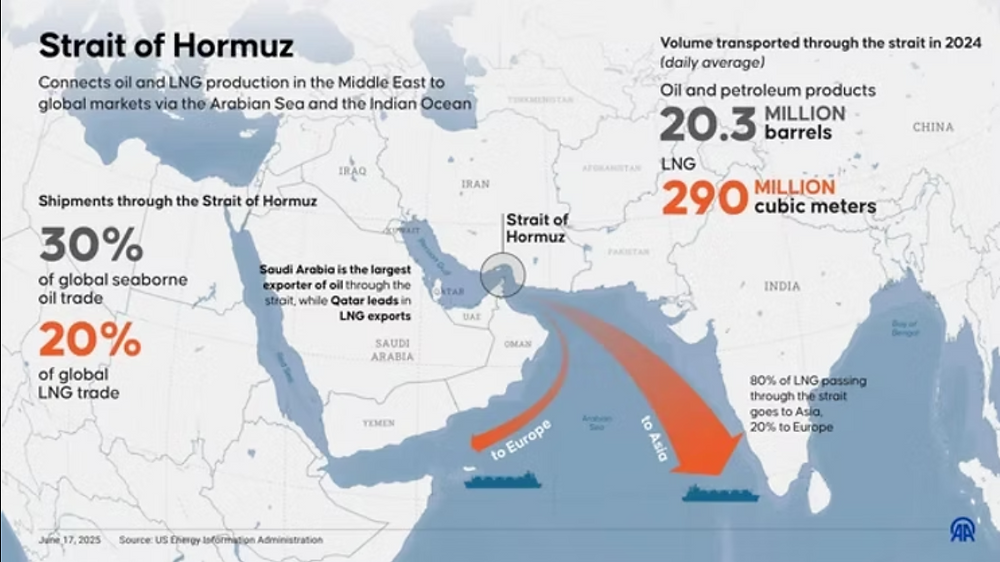
Nearly a week after a regional ceasefire was announced to de-escalate tensions around the Strait of Hormuz, one of the world’s most critical energy chokepoints, global oil and gas shipments through the waterway have failed to stage any meaningful recovery. Shipping data collected in the first full day after the ceasefire went into effect paints a stark picture of ongoing disruption: just one oil products tanker and five dry bulk vessels completed transits through the corridor, a dramatic drop from the typical daily average of 140 vessels.
The strategic strait handles roughly 20% of the world’s total daily shipments of oil and liquefied natural gas, making even minor disruptions to its operation ripples across global energy markets. The massive gap between pre-crisis traffic volumes and current activity underlines a key reality: formal diplomatic announcements of de-escalation have not yet translated into the large-scale resumption of energy supply movement that markets have been waiting for.
Ongoing geopolitical uncertainty is the primary driver of the continued slowdown. Iran has retained strict oversight and restrictions on vessel passage, pointing to unresolved tensions stemming from ongoing Israeli military operations in Lebanon. This de facto bottleneck has been maintained even as formal ceasefire agreements have been announced, keeping global energy supply constrained against a backdrop of tentative diplomatic progress.
The economic fallout of this disruption hits small, import-reliant open economies like Belize hardest. Unlike larger industrialized nations with strategic reserves and more diversified supply chains, Belize’s domestic fuel prices are directly tied to global benchmark pricing, which reacts not just to current supply levels but also to market expectations of future disruption. When a critical energy artery like the Strait of Hormuz operates at less than 10% of its normal capacity, markets price in inherent supply scarcity, which has already contributed to a sharp recent uptick in global crude prices.
The scale of the current disruption cannot be overstated. A collapse from 140 daily transits to fewer than 10 effectively brings activity at the chokepoint to a near standstill. Even if the disruption proves temporary, the sudden contraction has injected significant volatility into global energy supply chains, throwing off shipping schedules, reducing consistent inputs for refineries worldwide, and putting sustained upward pressure on retail fuel prices.
For Belize, where nearly every core sector of the domestic economy relies on imported fuel, the shock propagates rapidly. Higher global crude prices translate immediately to increased prices at the pump, which in turn push up costs for public and private transportation, electricity generation, food distribution, and nearly every goods and service across the country. The knock-on effects can quickly erode household purchasing power and strain small business operations.
The slow pace of traffic resumption also suggests that price pressures may last longer than initially hoped by many market observers. Until vessel transits return to near-normal, consistent volumes, global energy markets will remain hypersensitive to any new development in the region. While ceasefire announcements and diplomatic negotiations can trigger temporary dips in oil prices, sustained market stabilization and normalization will only come when the secure, unimpeded passage of energy shipments through the strait is fully restored.