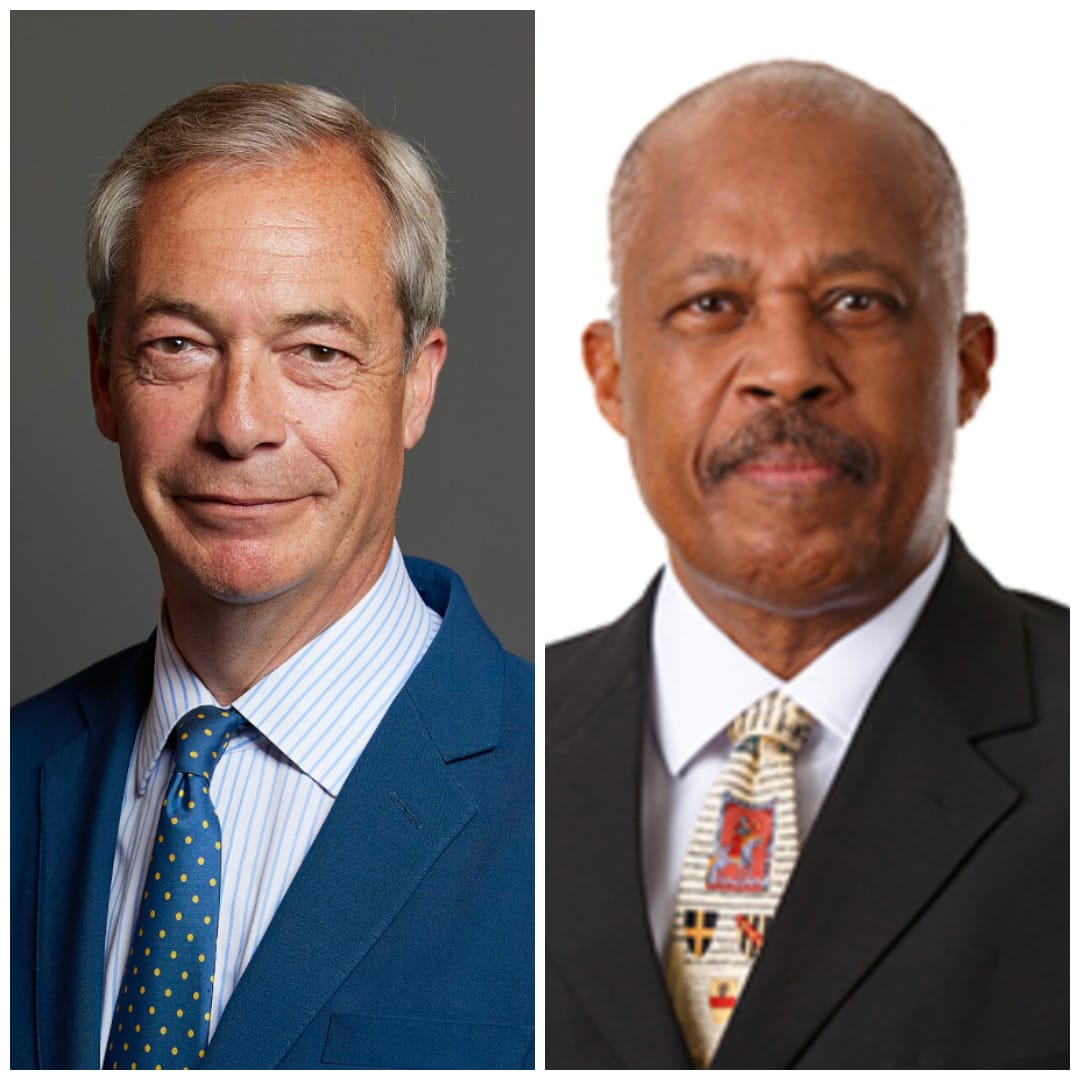
A fierce diplomatic and racial controversy has erupted after Britain’s right-wing Reform UK party unveiled a punitive proposal dubbed the ‘Reparations Lock’, which would block all new visa approvals for nationals from 19 Caribbean nations—including Antigua and Barbuda—that are actively pursuing legal and diplomatic claims for slavery reparations. The policy would apply to every category of entry, from work and study permits to family reunification visas and tourist visitor visas. In justifying the restrictive measure, Reform UK spokesperson Zia Yusuf labeled Caribbean reparations demands as fundamentally insulting to the United Kingdom, and claimed Britain deserves global praise rather than rebuke for its role in abolishing the transatlantic slave trade in the 19th century. The proposal has drawn swift and scathing condemnation from the CARICOM Reparations Commission (CRC), the leading regional body coordinating reparations claims on behalf of Caribbean communities. CRC chair Professor Sir Hilary Beckles blasted the visa plan as a modern extension of the ‘toxic racism’ that underpinned the entire system of chattel slavery. Beckles warned that targeting and punishing Black communities seeking redress for historical crimes directly mirrors the racist rhetoric used by opponents of full emancipation back in 1833. He also renewed scrutiny of a little-discussed but critical detail of the 1833 Slavery Abolition Act: when Britain formally ended slavery, it allocated massive public compensation exclusively to white slave owners for the loss of their ‘property’, while providing no restitution whatsoever to the millions of enslaved people who had been exploited and abused. Instead, freed people were forced into four additional years of unpaid ‘apprenticeship’ labor to generate the capital that funded the compensation payouts to their former enslavers. Other senior CRC leaders have echoed Beckles’ condemnation, pushing back hard against Reform UK’s narrative of British benevolence. Senior official Dobrene O’Marde and leading gender and slavery studies scholar Professor Verene Shepherd both emphasized the enormous collective and individual sacrifices that Caribbean communities made over generations to secure their own emancipation, rejecting any claim that Britain acted out of moral goodwill to end slavery. The CRC has reaffirmed its longstanding commitment to pursuing reparatory justice through peaceful, structured government-to-government dialogue, and has called on European political leaders to abandon defensive posturing and engage in good-faith negotiations on the issue. The reparations debate is set to take center stage at the upcoming Commonwealth Heads of Government Meeting, scheduled to be held later this year in Antigua and Barbuda, where the CRC is planning a high-profile public event to advance its campaign for restitution and racial justice.
CARICOM Condemns UK Party Proposal to Block Visas Over Reparations