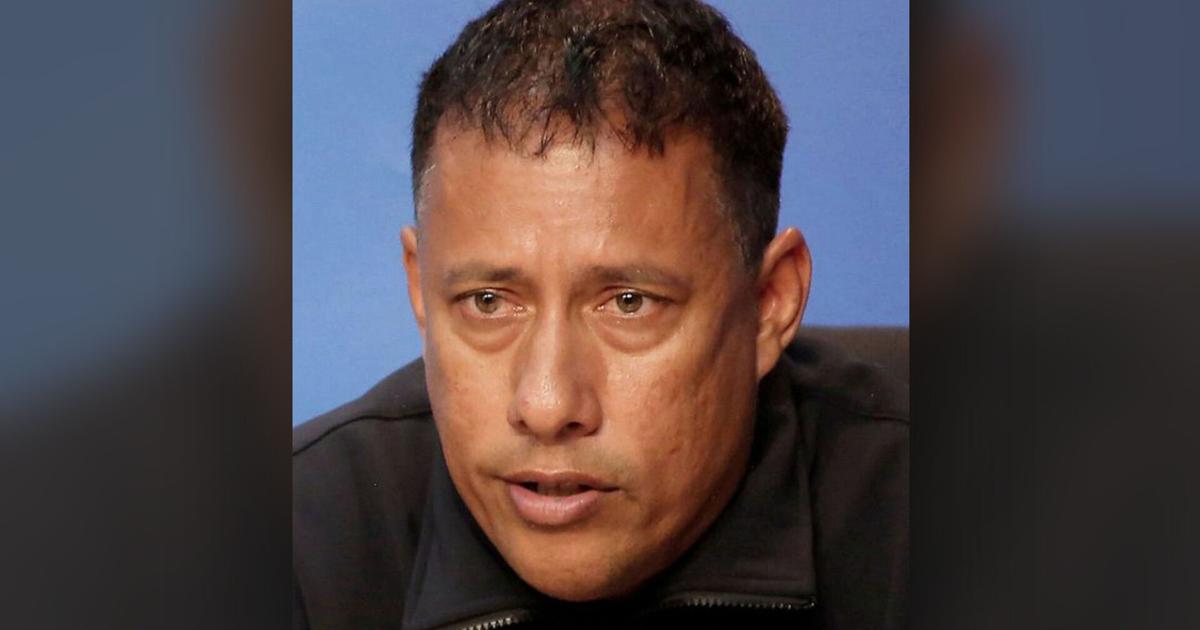
A former top Trinidadian law enforcement official has pushed back against recent calls for public cooperation with police, arguing that meaningful public support can only be earned through structured institutional reform, enhanced accountability, and updated operational practices — not by simply begging citizens to step forward.
Gary Griffith, who previously served as Commissioner of Police, made his remarks in response to recent comments from Homeland Security Minister Roger Alexander. During a recent media interview, Alexander urged members of the public to share actionable intelligence with police to help combat the country’s persistent crime challenges. In a public statement posted to his Facebook page yesterday, Griffith acknowledged that Alexander’s call for greater public collaboration is a reasonable starting point, but stressed that urging citizens to participate without addressing systemic barriers will not deliver the crime-fighting results the government is seeking.
Griffith explained that law-abiding residents are extremely reluctant to change their long-standing patterns of behavior and share sensitive information with authorities, especially when widespread concerns about personal safety and institutional trust remain unaddressed. While he affirmed that human intelligence is the single most critical asset in effective crime fighting — with ordinary residents often holding key details that can solve or prevent serious offenses — he noted that robust protective mechanisms must be in place to allow people to come forward without fear of violent retaliation from criminal groups.
To illustrate his point, Griffith pointed to a series of public engagement initiatives rolled out during his tenure as police commissioner that were designed to lower barriers to reporting. These included open direct communication channels between residents and senior police leadership, a dedicated police mobile app, and secure online incident reporting systems that allowed people to share information without exposing their identity or requiring an in-person visit to a local police station. He also highlighted the former Gender-Based Violence Unit, which deployed specially trained officers to take reports from survivors in their own homes, a model that directly addressed concerns about confidentiality and sensitivity and drove measurable increases in reporting rates. Griffith claimed that the rollback or elimination of these successful programs has directly contributed to a sharp drop in public engagement with law enforcement.
Beyond accessible reporting systems, Griffith emphasized that internal accountability within the Police Service is non-negotiable for rebuilding public trust. For the public to actively cooperate, he said, residents must have full confidence that officer misconduct will be investigated and addressed promptly, and that all policing activities are carried out to professional, service-first standards. He again referenced reforms implemented during his tenure, including the rollout of body-worn cameras for patrol officers, mandatory polygraph testing for new and serving personnel, and specialized ethics and community engagement training — measures he said significantly boosted transparency and public confidence. Griffith expressed deep concern that these systems are no longer fully operational or consistently enforced under current leadership.
Griffith also criticized current policing strategy, calling out the continued heavy reliance on roadblocks as a primary enforcement tool. He argued that this approach represents an outdated, reactive model of policing that does not align with the intelligence-led best practices used by effective law enforcement agencies across the globe. By contrast, he noted, the proactive traffic management and sustained community engagement strategies his administration implemented helped build far higher levels of public trust and voluntary cooperation.
The former commissioner concluded that eroding public confidence does not just harm citizens — it also damages police morale, as reduced trust cuts off the flow of actionable intelligence officers need to do their jobs safely and effectively. He stressed that improving police-public relations requires deep institutional change, including policies that prioritize accountability, protect civilian informants, and embed consistent professionalism across all ranks. While Griffith said he fully supports the goal of greater public cooperation to fight crime, he made clear that this outcome can only be achieved after the government implements systemic changes that directly address the public’s core concerns and rebuild confidence in law enforcement.