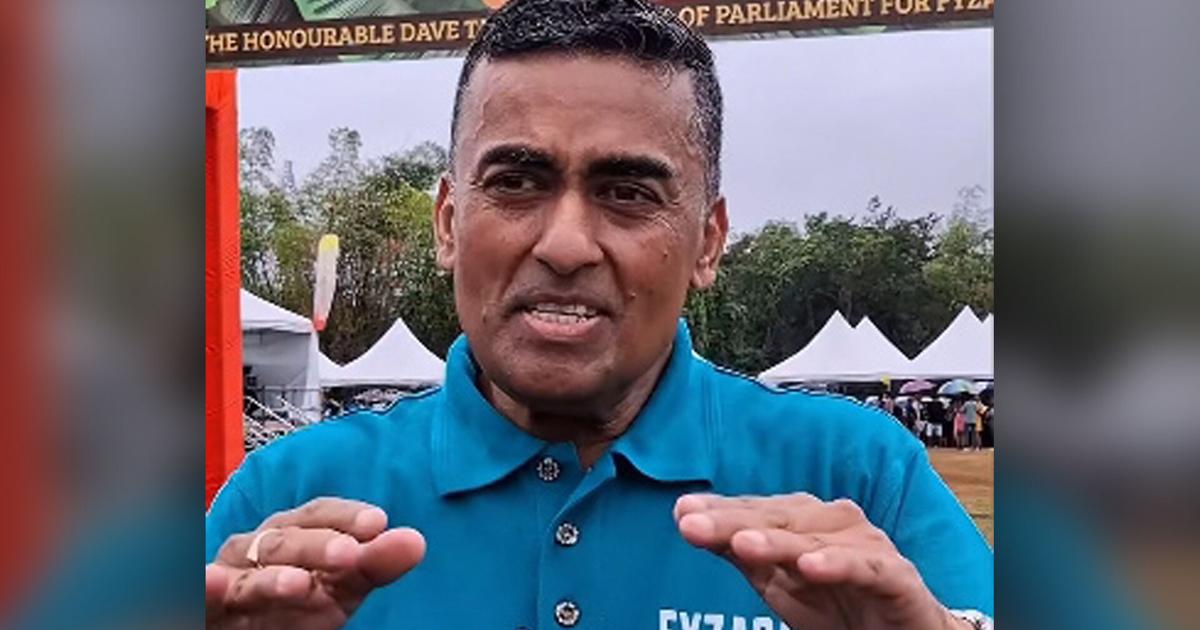
A growing wave of business closures is sweeping across Trinidad and Tobago, triggering a bitter political blame game between the current United National Congress (UNC) administration and the former People’s National Movement (PNM) government over who is responsible for the country’s deep economic distress. Over the past three weeks alone, multiple well-established local businesses have announced permanent shutdowns or major restructuring, marking one of the sharper downturns for the private sector in recent memory. Among the latest closures is Bick’s Auto, a long-running auto parts supplier in Penal, which announced it would shut its Penal branch and hold a liquidation sale, even giving away bulk steel components for free to clear inventory ahead of closing. Kristina’s, a beloved local shoe retailer that has operated on Port of Spain’s Frederick Street for more than 30 years, also confirmed it would close that location at the end of April. In an emotional social media announcement, the brand framed the Frederick Street outlet as more than a store, noting it had been a community hub where generations of customers built relationships and made memories. While the chain’s nine other locations will remain open, the closure of the flagship branch has been felt deeply by local shoppers. Undercover Garden Centre, a popular Santa Cruz plant and gardening retailer, is also leaving its current location to prepare for relocation, though its weekly farmers’ market will continue operation under new management. Soapmakers Paradise, a Tacarigua-based craft supply business, announced its permanent closure after more than a year of attempting to stay open amid persistent operational challenges. The company explained that repeated struggles to access sufficient foreign exchange – a long-running pain point for local import-reliant businesses – ultimately forced the decision to shut down permanently, after the business had already extended operations for a year in response to customer requests. As the closure trend accelerates, the country’s top political figures have traded sharp accusations over which administration created the crisis. Current Finance Minister Davendranath Tancoo placed full blame on the previous PNM government, arguing that the outgoing administration’s flawed economic policies left the current government with an economy that had contracted by 20% when the UNC took power nearly a year ago. When asked directly for a message to struggling small business owners fighting to stay open, Tancoo declined to comment directly on their plight, instead hitting out at local media for failing to hold the prior PNM administration accountable for its economic mismanagement. He pushed back against critical coverage of the current government’s performance, claiming that the UNC has already rolled out a series of pro-growth policies that will drive a future economic resurgence, and argued that media outlets continue to ignore the lasting damage of 10 years of PNM rule. Former prime minister Stuart Young, representing the opposition PNM, rejected Tancoo’s claims and turned the blame back on the current UNC administration led by Prime Minister Kamla Persad-Bissessar. Young argued that the UNC’s own policy decisions have devastated the economy: he pointed to the government’s decision to lay off more than 40,000 public sector workers and sweeping tax increases implemented in the administration’s first national budget, which have left households with less disposable income and driven sharp increases in the cost of living. Young noted that small businesses are not just struggling, but closing at record rates, with bars and restaurants hit particularly hard by what he described as “inhumane” new tax policies. He also condemned Tancoo for hosting a celebratory government event amid widespread economic hardship, calling it a slap in the face to tens of thousands of struggling families who face food insecurity. Independent economic analysis has framed the current wave of closures as an expected growing pain amid a long, slow transition period for Trinidad and Tobago’s energy-reliant economy. Leading local economist Dr. Roger Hosein explained that persistent foreign exchange shortages, a core challenge that has forced multiple businesses to close, are a temporary issue tied to the country’s current energy production cycle. Hosein noted that while the next two and a half years will remain difficult for businesses, a gradual economic recovery is expected starting in 2027, when the new Manatee gas field and other small natural gas projects come online. The International Monetary Fund, which recently completed an official visit to the country, has also projected a gradual growth pickup between 2027 and 2030, which should ease foreign exchange constraints as energy export revenues rise. Hosein added that if proposed cross-border energy projects, including the Dragon gas field and development of Venezuelan gas reserves for processing in Trinidad and Tobago, move forward, the recovery will be even stronger. In the near term, he advised struggling businesses to prioritize survival strategies, including targeted cost cutting, expanded marketing and networking to boost sales, and hold on until improved economic conditions arrive.