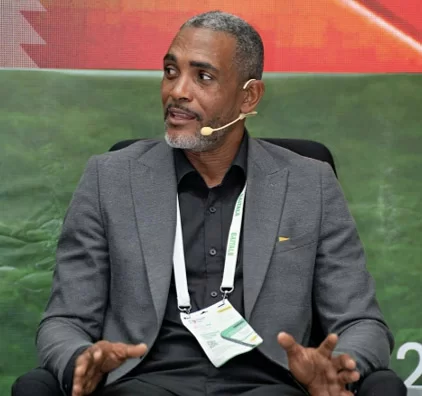
As Suriname stands on the cusp of an unprecedented economic boom driven by new upstream oil and gas projects, the head of the country’s leading energy industry body is issuing a urgent call for domestic private sector players to unite and organize, warning that fragmentation could leave the vast majority of potential economic benefits off the table for local businesses.
Orlando Olmberg, president of the Suriname Energy Chamber (SEC), laid out his stark warning in a recent address, arguing that coordinated collective action from private domestic enterprises is the only way to ensure the country maximizes gains from the rapidly emerging sector. While international oil companies operating in the country have confirmed that the capabilities and quality of local Surinamese entrepreneurs meet global industry standards, Olmberg says the critical gap lies in the sector’s ability to organize at scale to match the size and pace of coming development.
Major projects including the Blok 58 development, followed by the future Blok 52 project, are set to unlock billions in new economic activity for the small South American nation. For Olmberg, the core question facing the country is not whether transformative economic opportunity exists, but whether local stakeholders are positioned to capture that opportunity for businesses of all sizes, from small local suppliers to large domestic enterprises.
A key point of emphasis from Olmberg is reframing the widespread conversation around local content requirements. Too often, local content rules are treated as merely a regulatory compliance obligation for international operators, he argues, when the concept’s real impact depends on local organizational capacity, cross-sector collaboration, and proactive preparation. Without this foundational strength, he says, local content policies will remain nothing more than empty ambitions written into policy documents.
While the Surinamese government carries an important role in enabling the sector’s growth through establishing clear legislation, structuring development contracts, and managing public revenue from resource extraction, Olmberg stressed that policy alone cannot guarantee inclusive economic growth. Without a robust, well-organized domestic private sector prepared to participate in large-scale project supply chains and operations, the bulk of new value created by the oil and gas boom will flow to foreign firms rather than circulating through the Surinamese economy, he warned.
Fragmentation among domestic private enterprises stands as the single largest bottleneck to capturing this value, according to Olmberg. When businesses operate independently in siloed individual strategies, they lack the collective market and negotiating power to shape the sector’s development to prioritize local participation. That means the responsibility to drive change rests squarely on the private sector itself, he argued.
Olmberg closed with a urgent call to action for Surinamese entrepreneurs: the time for waiting on others or pursuing disconnected individual strategies is over. Local businesses must organize now, align around a shared long-term strategic vision, and take collective ownership of the sustainable development of Suriname’s new oil and gas industry – and this action cannot wait, he emphasized.