On March 30, 2026, the Federation of Saint Kitts and Nevis marked a defining turning point in its clean energy transition with the official launch of a Request for Proposals (RFP) for the landmark Basseterre Valley Solar Photovoltaic and Battery Energy Storage System (BESS) Project. The initiative, which includes a 50-megawatt solar facility paired with a 30.5-megawatt/30.5-megawatt-hour storage system, is being hailed by senior government officials as a transformative step toward the nation’s sustainable development goals.
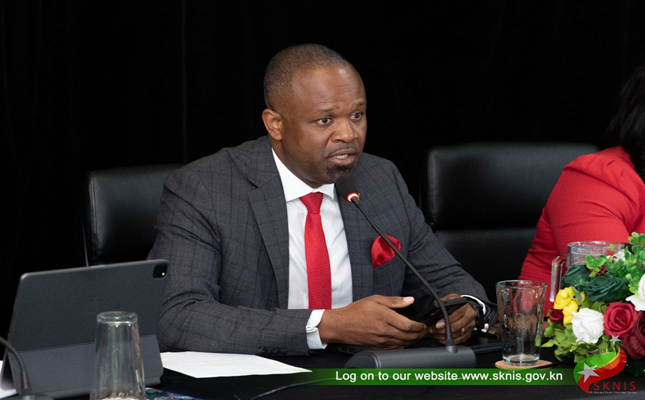
Honourable Konris Maynard, Minister of Public Infrastructure, Energy and Utilities, described the RFP launch as a historic milestone for the twin-island federation during that day’s Prime Minister’s Press Conference with Cabinet Ministers. He emphasized that the project reached this stage only after formal Cabinet approval and a rigorous 12-month due diligence process, designed to ensure full transparency and rigorous planning from the outset.
“This is historic, it is transformative, and importantly, it is very transparent,” Maynard told reporters. “This project will provide approximately 30 percent of our national energy needs, and we have gone about it the right way. We have engaged top-tier professionals to deliver every phase of pre-development work, from grid impact assessments to techno-economic analysis and global market sounding, to incorporate best practices and develop an optimal design for our national context.”
Led by the St. Kitts Electricity Company Ltd (SKELEC), the project benefits from technical and legal guidance from a team of leading international advisors, including Castalia, ILF Consulting Engineers, GIDE, and Merchant Law. Once operational, it is projected to deliver three core long-term benefits for the nation: dramatically strengthened domestic energy security, reduced dependence on costly and carbon-intensive imported fossil fuels, and accelerated progress toward the country’s 2030 renewable energy commitments outlined in its United Nations Nationally Determined Contributions (NDCs).
Minister Maynard also laid out the clear procurement timeline for interested bidders: the RFP window is now officially open for a 90-day bidding period. After submissions close, the process will move to independent evaluation, final contract negotiations, and a projected construction start in the coming months.
Beyond national benefits, Maynard highlighted the project’s potential to set a regional benchmark for responsible, transparent renewable energy development. “This is going to be talked about across the region as a best practice approach to our energy transition,” he noted.
A core priority of the government’s approach to the project is ensuring broad local participation across all stages of development and operation. Maynard issued a direct call for domestic businesses, local entrepreneurs, and national residents to leverage the economic opportunities created by the large-scale infrastructure initiative, stressing that no local stakeholder would be locked out of the process.
“I do not want this to be open to everyone, and then when it’s closed [people say] ‘well we do not know’,” Maynard said. “Whether you provide food services during construction, whether you operate a local contracting company, whether you can offer consulting expertise, whether you have existing solar sector capabilities, whatever your expertise, we have made sure that this project is open and available to the residents of Saint Kitts and Nevis.”
Interested stakeholders, both international and domestic, can access full RFP documentation and register to participate through the official bidder portal. Local contractors and independent domestic investors seeking to participate have dedicated registration pathways to signal their interest, designed to lower barriers to local engagement.
When completed, the Basseterre Valley Solar and Battery Project will not only deliver a critical chunk of the nation’s electricity demand to support a cleaner, more resilient and self-sufficient energy system, it will also create widespread economic opportunities that benefit communities across Saint Kitts and Nevis.