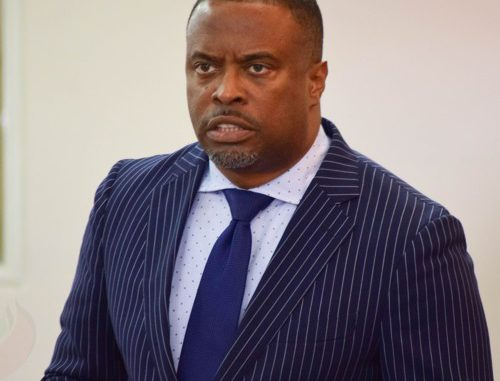
CHARLESTOWN, Nevis — In a major milestone for the Caribbean island’s quest for energy independence, Nevis Premier Mark Brantley has officially confirmed that the long-planned national geothermal energy project is on track to launch drilling operations by August 2026, following detailed planning sessions with the selected contractor, Iceland Drilling.
During his regular monthly press briefing held Monday, Brantley shared that technical representatives from Iceland Drilling completed an on-site inspection of the project area last week, where they formalized their aggressive operational timeline. The firm has committed to full mobilization and the start of core drilling activities by the August target, a timeline Brantley says he is cautiously optimistic the team will meet.
“During my discussions with the Iceland Drilling delegation, they laid out a clear, ambitious schedule to get all equipment and personnel in place ahead of the August start date,” Brantley told reporters. “Right now, their drilling rig is already en route to Iceland for necessary repairs and custom retrofitting, after which it will sail directly to Nevis to begin work. Getting this drilling phase underway will be a transformative leap forward for our geothermal development goals.”
The updated project timeline comes as a much-needed boost for both the Nevis Island Administration and the broader Federation of Saint Kitts and Nevis, which is already facing growing economic pressure from skyrocketing global fossil fuel prices. These price spikes have been driven by escalating geopolitical tensions linked to ongoing conflict in the Middle East, with ripple effects hitting small island economies heavily dependent on imported energy.
Brantley emphasized that ongoing global instability, centered on major oil-producing regions including the Persian Gulf and the Strait of Hormuz, has created a sustained period of market volatility. Major global energy players including Russia, Venezuela, Iran and key Gulf Cooperation Council nations are all facing overlapping political and economic disruptions that have pushed crude oil and energy costs steadily higher. Brantley warned that Nevis residents should prepare for an extended period of elevated prices for fuel, electricity, and essential goods, as rising energy costs flow through every sector of the local economy.
The current global energy crisis has underscored the urgent strategic importance of Nevis’ geothermal project for the entire federation, Brantley noted. The initiative is core to the government’s policy agenda to boost national energy security and cut longstanding reliance on costly imported fossil fuels.
Brantley also pointed to the direct, tangible impacts of global conflict that are already being felt across Nevis’ local economy, pushing back against the common perception that distant geopolitical events do not affect small Caribbean islands. “Fishermen have no option but to raise fish prices because their fuel costs are climbing. Bus operators have to increase fares for the same reason,” he explained. “Too often, we see conflicts playing out on international news channels like CNN or BBC and write them off as distant problems that have nothing to do with us. But that’s not the case — the impacts of these tensions are felt right here, on the streets and in the markets of Nevis, and that’s a reality we all need to recognize.”
The project update, delivered during Brantley’s scheduled Monday press briefing, confirms that Nevis remains on track to advance one of the Caribbean’s most high-profile renewable energy infrastructure projects this year.