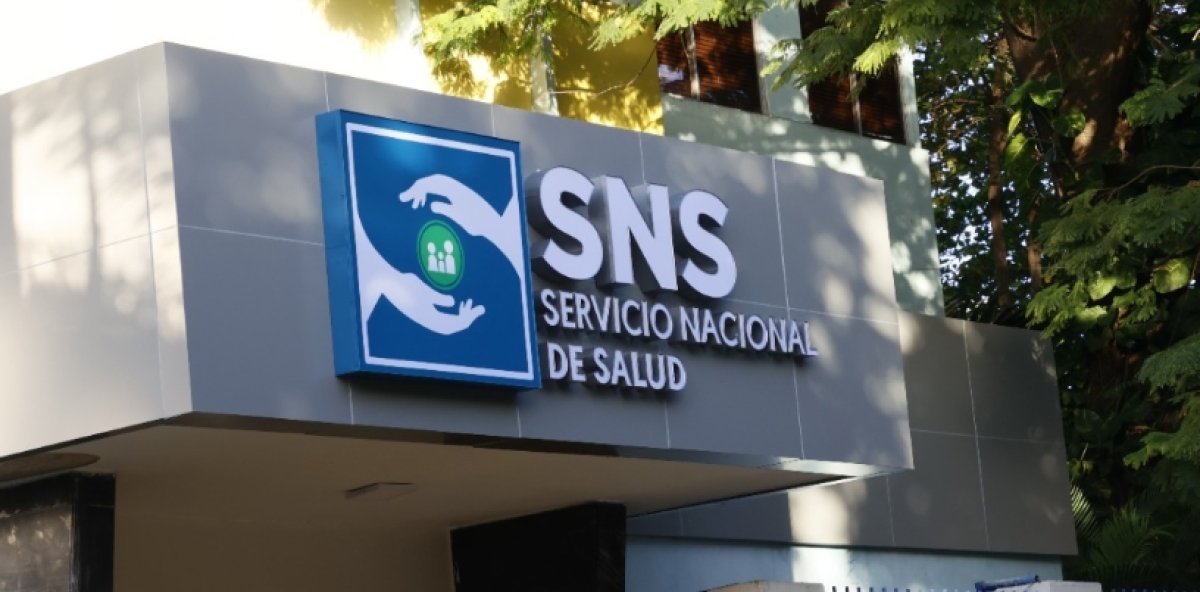
Over the recent Christmas and New Year holiday period, 52 minors across the Dominican Republic received emergency hospital care for alcohol poisoning, according to official data released by the country’s National Health Service (SNS). In line with mandatory protocols for protecting minors’ rights, the SNS has formally submitted a full list containing the names and specific details of all treated underage patients to both the Attorney General’s Office and the Ministry of Public Health.
Dr. Yocasta Lara, director of SNS Hospital Centers, broke down the details of the case in a public statement, confirming that the national count of affected minors stands at 52. Beyond the formal reporting to national authorities, Dr. Lara noted that frontline medical teams at all public health facilities are required to immediately alert local prosecutor’s offices whenever a minor is treated for alcohol poisoning, to enable swift investigations and targeted protective action.
Lara emphasized that the situation is deeply alarming, given that it exposes children and adolescents to immediate and long-term threats to their physical health and personal well-being. “Alcohol poisoning among minors is 100 percent preventable,” she stated. “As a collective society, we must step up adult oversight and guarantee safe, secure spaces for our young people, particularly during holiday family gatherings where alcohol is often readily available.”
The SNS has reaffirmed its ongoing commitment to strengthening public health network surveillance systems, accelerating mandatory case reporting, and expanding comprehensive care for affected minors. Lara also issued a public call to all parents, caregivers, and legal guardians to practice responsible alcohol storage and supervision, to block underage access to alcoholic beverages.
Closing her statement, Lara reiterated that early-age alcohol consumption can cause severe, sometimes permanent health damage. She stressed that collective co-responsibility between families and communities, paired with consistent prevention efforts, are the foundational pillars needed to safeguard the health of all Dominican children and adolescents.