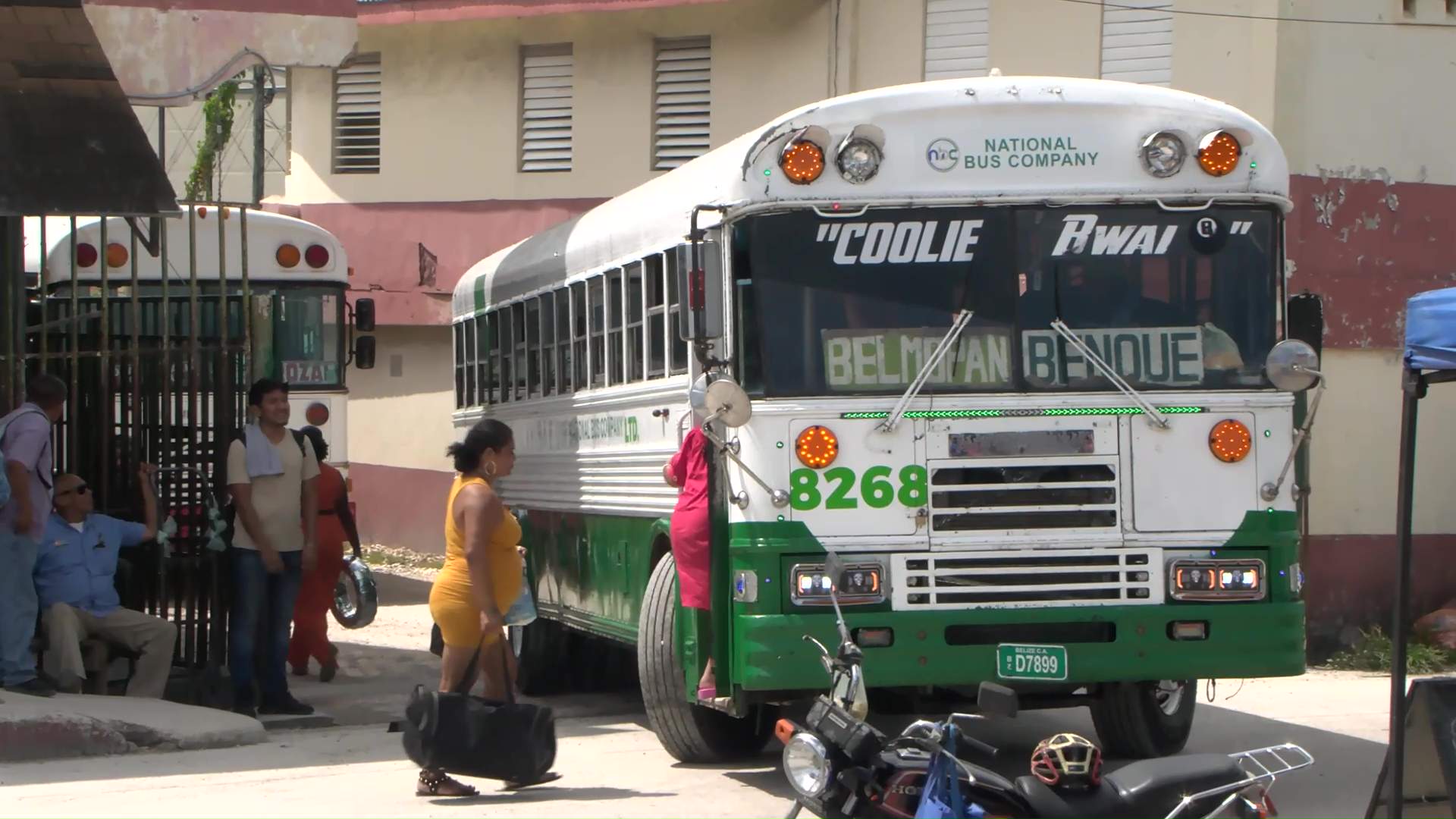
As of March 31, 2026, Belize’s network of independent bus operators is on the brink of operational collapse, pushed by skyrocketing global fuel prices and steadily climbing overhead operating costs. The industry’s leading body, the Belize Bus Association (BBA), has issued a formal ultimatum to national transport authorities, laying out three non-negotiable policy solutions it says are the only ways to keep service running for commuters across the country — or face imminent industry-wide collective action.
In a formal letter addressed to Belize’s Transport Minister Dr. Louis Zabaneh, the BBA outlined three immediate relief measures that would stabilize the struggling sector: full exemption from Goods and Services Tax (GST) on fuel and import duties on bus parts and batteries, the reinstatement of COVID-era government fuel subsidies for independent operators, and approval for a regulated upward adjustment to passenger fares.
BBA President Philip Jones laid out the group’s proposed fare changes in comments to reporters, noting that operators had previously negotiated for a $2 base fare for short routes and higher rates for long-distance trips. Under the current revised proposal, short route fares would rise from an existing $2 to $3, while long-haul fares to destinations like Belmopan would jump from $7-$8 to $9-$10.
Independent operators warn that without policy intervention from the government, they have no remaining financial buffer to absorb ongoing fuel costs. Ferland Gilharry, a BBA executive committee member, framed the current situation as an existential crisis for small, independent operators — ranging from individual owner-operators to rural school bus providers that are not part of the country’s new public-private partnership (PPP) National Bus Company (NBC).
“What we are facing right now is not a minor inconvenience — it is a full-blown crisis for every independent operator in the country,” Gilharry explained. “All we are asking for is a level playing field, nothing more.”
A core point of contention for the BBA is what it calls unequal government support between the publicly backed PPP entity and independent operators, who the association says control the vast majority of Belize’s bus market. Jones noted that the NBC only holds roughly 17 to 18 percent of the national market share, with just 47 to 50 active buses in operation. By contrast, more than 600 independent buses serve communities across the country, covering remote rural village routes, intercity highway corridors, and local urban commutes that form the backbone of Belize’s public transit network. Despite carrying the majority of daily passengers, independent operators receive none of the taxpayer-funded backing that the NBC accesses through its PPP structure.
The association emphasizes that its request is not for special handouts, but equal treatment as the government advances plans to modernize Belize’s public transit system. Independent operators say they agree with the goal of modernization, but argue that as providers that serve the taxpaying public, they deserve the same support opportunities extended to the national PPP operator.
“We chose to remain independent, that is true, but we still serve the general public,” Gilharry pointed out. “The taxes that the government uses to fund the NBC’s benefits come from the same public that we carry every single day. It is disingenuous to give one group exclusive privileges and leave the majority that actually serves most commuters out to dry.”
After submitting the formal letter to the minister yesterday, the BBA says it will give government authorities a short window to respond to its demands. Once the response period ends, Jones says the association’s leadership will convene with its full membership to decide on next steps, with collective industrial action now on the table if no agreement is reached. The organization’s warning comes as authorities have already reiterated that any unapproved fare increase by independent operators would be considered illegal under current transport regulations, leaving operators with little remaining legal option to offset rising costs if the government rejects their demands.