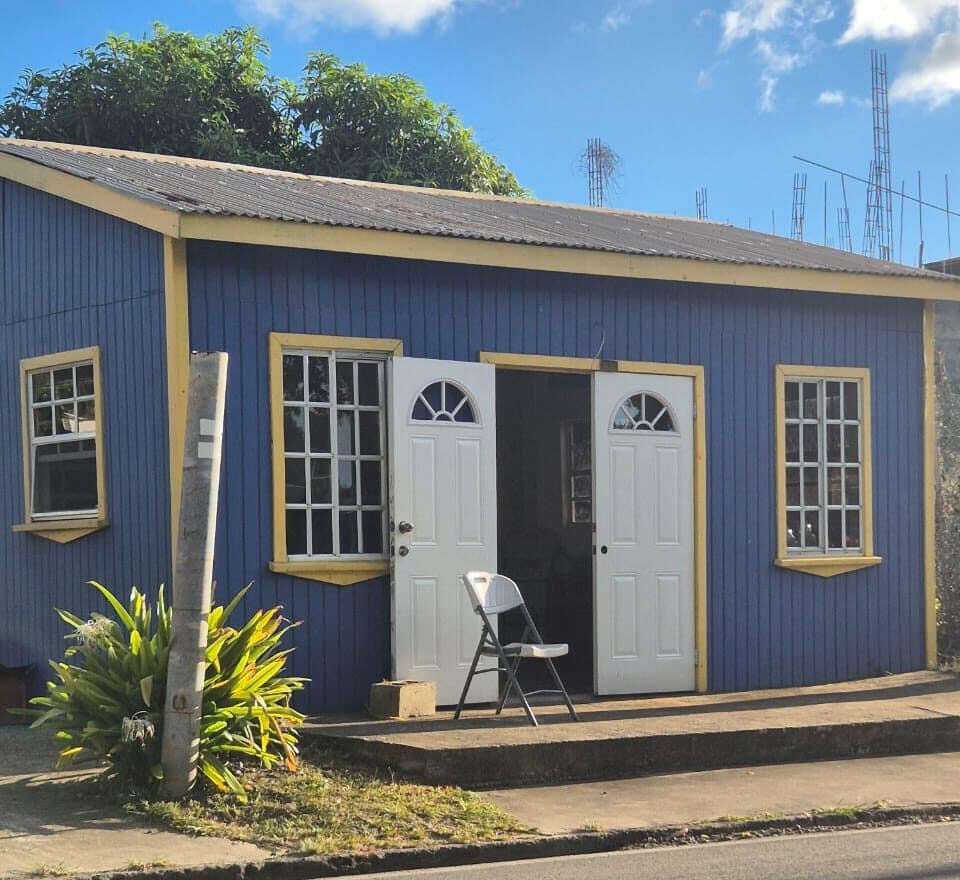
In a striking case of political neglect, constituency representative Kelvin ‘Shugy’ Simon maintained a closed district office for more than two consecutive years, effectively abandoning his fundamental duty to serve constituents. Throughout this period, citizens were denied access to their elected official, with their concerns going unaddressed and their needs ignored.
The prolonged absence of representation has sparked outrage as the office suddenly reopened coinciding with the approaching election cycle. Critics have condemned this move as a transparent political maneuver rather than genuine public service. The timing suggests a calculated attempt to create visibility after years of demonstrated indifference toward constituency responsibilities.
Political analysts note that the abrupt operational shift reveals deeper issues in political accountability systems. The pattern of neglect followed by election-season engagement represents what governance experts describe as ‘transactional representation’ – where political attention becomes cyclical rather than consistent.
Community members have expressed frustration with the last-minute accessibility, viewing it as an insult to their intelligence rather than a meaningful gesture of service. Many constituents report feeling disrespected by the implication that their political support could be secured through superficial engagement after extended abandonment.
This situation highlights broader concerns about political accountability mechanisms and the erosion of trust in democratic institutions when representatives prioritize electoral cycles over consistent constituent service.