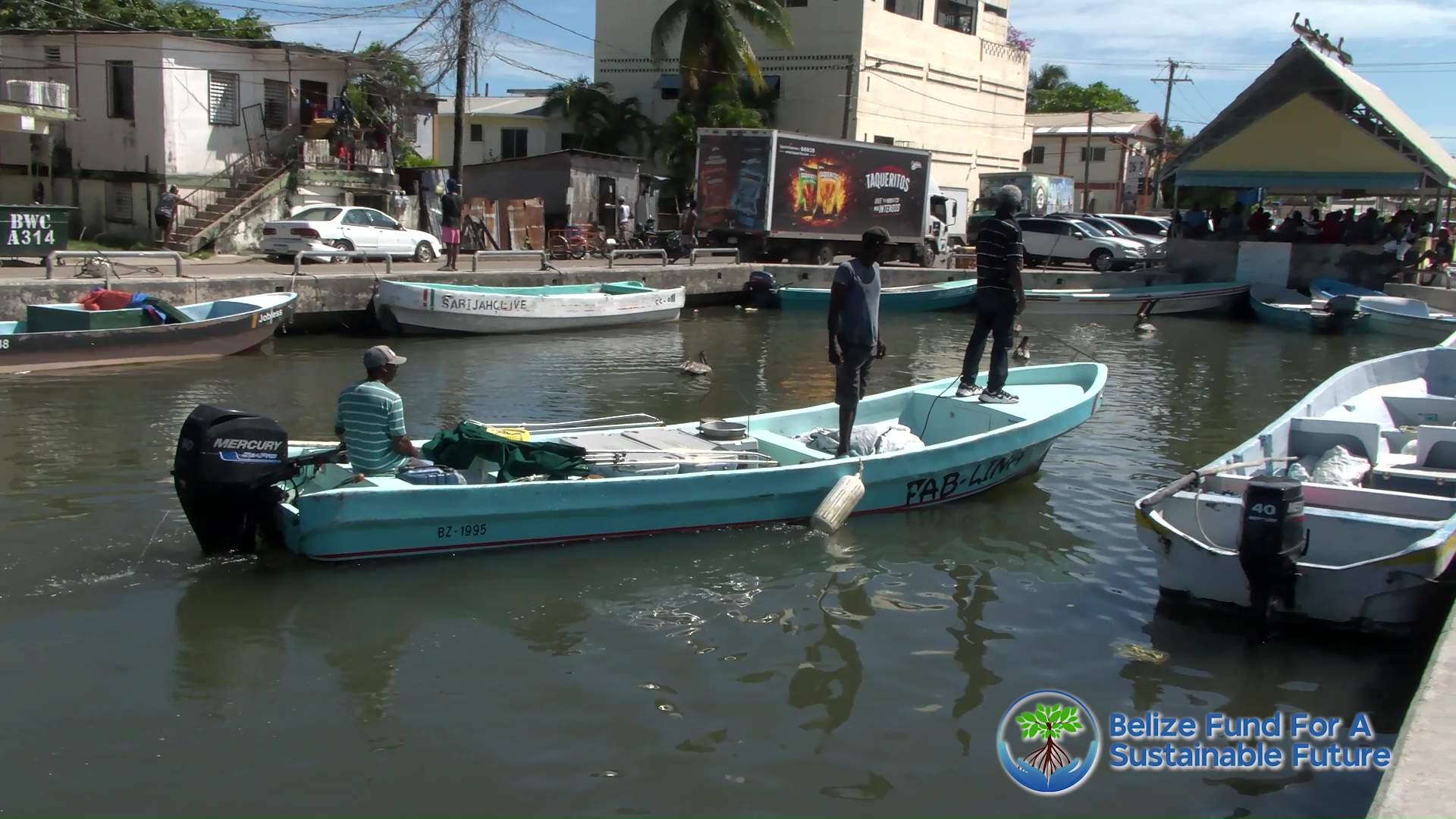
In the coastal waters of Belize, a comprehensive sustainability initiative is transforming how seafood reaches consumers’ plates. The Belize Fund for a Sustainable Future is spearheading efforts to maintain the delicate balance between fishing traditions and marine conservation, ensuring future generations can enjoy the nation’s culinary treasures.
The intricate system involves multiple stakeholders working in coordination—from generational fisherfolk households to enforcement officers and restaurant owners. Through revised regulations, the Fisheries Department now requires vendors and middlemen to register, closing critical data collection gaps in the supply chain. This enhanced tracking system helps monitor seafood from harvest to consumption.
Conservation measures include specific fishing zones, size limitations, and seasonal closures designed to protect vulnerable species. The Nassau Grouper, classified as critically endangered, receives particular attention through protection parameters that safeguard juvenile specimens and mature ‘mega spawners’ that contribute significantly to population replenishment.
Enforcement teams from organizations like TASA conduct rigorous inspections using specialized equipment including scales, measuring tapes, and detailed fish boards. They monitor catches for compliance, issuing warnings or infractions for undersized conch or other regulated species.
The sustainability chain extends to restaurants like Smokeez Seaside Restaurant & Bar, where owner Ramon Salgado emphasizes responsible sourcing practices. By refusing to purchase undersized conch or out-of-season species, restaurants play a crucial role in market-driven conservation.
This integrated approach demonstrates how proper fisheries management supports both marine ecosystems and coastal communities’ livelihoods. The system represents a model for sustainable fishing that preserves both seafood resources and cultural traditions for future generations.