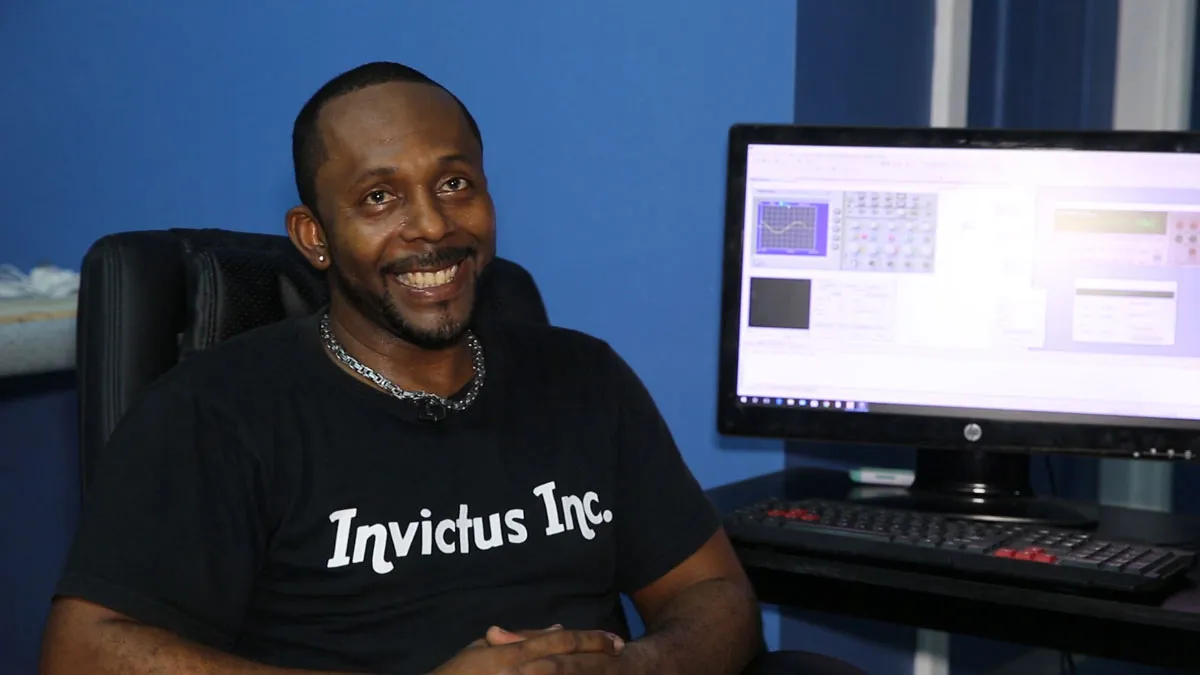
In an unassuming workshop in Laborie, Saint Lucia, self-taught inventor Karlis Noel is developing groundbreaking technologies that address critical environmental challenges. Without formal secondary education, this fisherman-turned-innovator has created the Eastern Caribbean’s first solar-powered mobile desalination plant and advanced ocean monitoring systems that have gained international recognition.
Noel’s journey began with childhood curiosity, fueled by his father’s physics books and discarded equipment from the local power station. This early fascination evolved into practical inventions, including a revolutionary desalination system that converts seawater into drinking water without producing harmful brine waste. His technology has been implemented across the globe, from the Pacific island of Nauru to fluoride-contaminated water sources in Tanzania.
The inventor has since shifted focus to environmental monitoring, developing unmanned surface vessels (USVs) that collect oceanic and meteorological data for months at sea. These systems, alongside MetOcean buoys and weather sensors, form part of his vision for a Saint Lucian-owned environmental monitoring network—addressing the Caribbean’s dependence on neighboring islands for weather information.
Noel’s work has attracted global attention, with his team winning funding through Dubai’s blue economy competition despite competing against 1,500 international applicants. However, his measure of success remains rooted in community impact rather than financial gain.
Currently, Saint Lucia faces a severe water crisis, with hotels considering importing water by barge from neighboring islands. Noel expresses frustration that solutions he developed decades ago—energy-efficient, modular desalination units—haven’t been implemented locally. He advocates for distributed, solar-powered desalination systems as backup to existing infrastructure rather than relying solely on large centralized plants.
The innovator emphasizes that water security requires investment in research and development, proper planning, and prioritizing local innovation. His existing desalination systems continue operating successfully in other nations, demonstrating that sustainable water solutions are achievable when communities support homegrown technological advancement.