Nestled within the picturesque hills of Monier, Grand Rivière, the communities of Monier Terraces and Ma Kanna Heights present a deceptive facade of tranquility. Behind this serene exterior lies a persistent struggle for one of life’s most basic necessities: reliable access to clean water. Residents of these elevated neighborhoods have developed complex survival strategies amid what many describe as years of water scarcity and institutional neglect.
The current dry season has exacerbated an already critical situation, with some households reporting complete absence of piped water for periods exceeding one month. The Water and Sewerage Company (WASCO) acknowledges the particular challenges facing high-elevation homes, where water pressure deficiencies prevent consistent distribution. When service resumes after interruptions, lower-elevation residents typically consume available resources through intensive usage like laundry and tank-filling, leaving uphill communities without adequate supply.
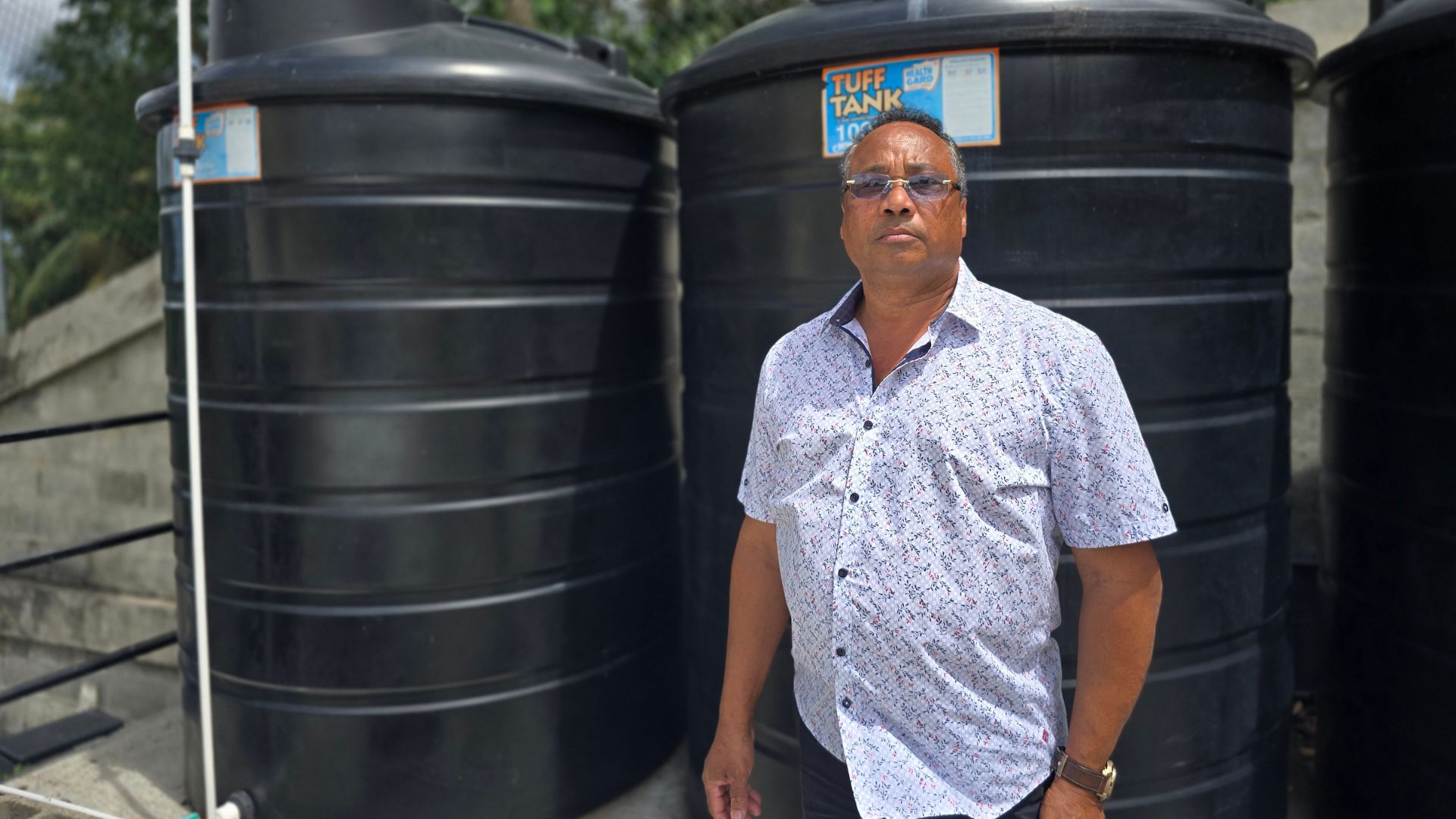
Canice John, a property owner in Ma Kanna Heights who accommodates five tenant families, illustrates the practical difficulties: “I notify tenants when tanks are full, but WASCO frequently cuts supply immediately after everyone begins washing.” His solution has been progressive investment in storage infrastructure, now totaling four tanks with 2,600-gallon capacity and plans for additional units.
The water distribution pattern reveals puzzling inconsistencies, with adjacent households sometimes receiving completely different service levels. One resident noted, “We received water two days ago, but most neighbors appear to be on a different connection—probably from Hill 20.”
While some residents resort to collecting water from rivers or workplace taps, those who can afford it invest increasingly in private water storage systems. Christopher Alexander, another long-term resident, has installed multiple tanks including a 1,000-gallon rainwater collection unit. He identifies uncontrolled development as compounding pressure on already strained infrastructure: “When building houses now, there should be certain planning prerequisites.”
Despite government promises regarding pipeline improvements and rainwater harvesting initiatives, residents report receiving only “general bulletins” without area-specific solutions. WASCO offered no response regarding network improvements or long-term plans for Monier prior to publication.
The community’s adaptation efforts face practical constraints—modern architectural designs often complicate rainwater harvesting, while narrow, unpaved roads prevent water truck access for many households. What emerges is a portrait of resilience amid systemic failure, with residents developing increasingly sophisticated coping mechanisms while awaiting meaningful institutional intervention.