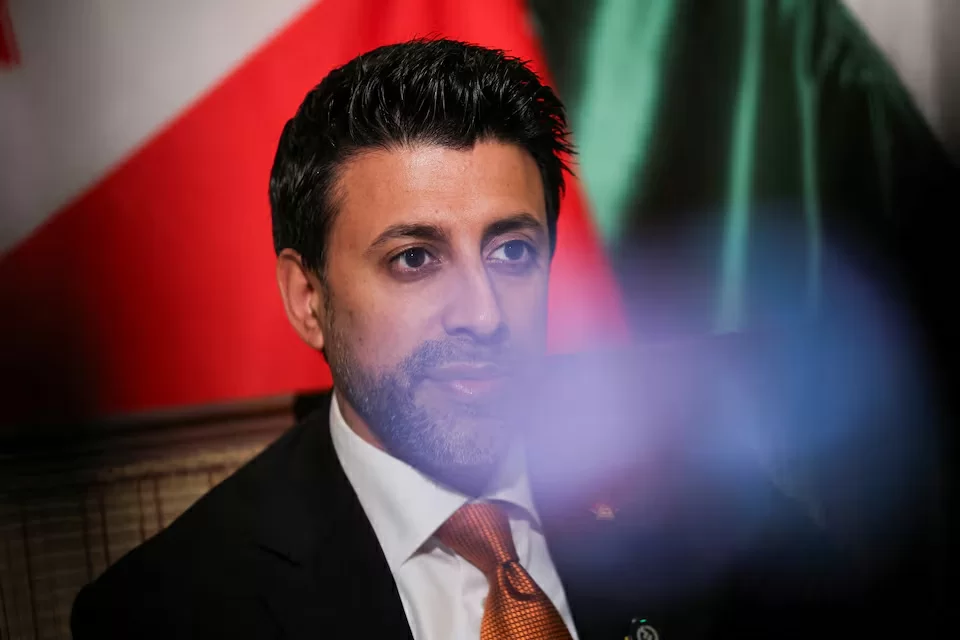
Canadian Trade Minister Maninder Sidhu has announced an accelerated timeline for finalizing a comprehensive free trade agreement with the South American Mercosur bloc, targeting completion by fall 2026. The revelation came during the sidelines of the World Trade Organization ministerial conference in Yaoundé, Cameroon, where Sidhu confirmed negotiations would now occur approximately every six weeks.
Speaking from the Canadian High Commissioner’s residence in New Delhi, Sidhu expressed strong confidence in the negotiation pace, stating: “We are being very ambitious. I believe we can get this done.” The minister has already conducted bilateral discussions with Argentina and Paraguay, with scheduled meetings involving Brazil and Uruguay representatives later this week.
Diplomatic sources close to the negotiations indicate a potential signing ceremony as early as September or October, marking approximately one year since formal talks resumed. A Brazilian diplomat confirmed the unprecedented speed and positive momentum, characterizing a 2026 agreement as highly probable.
Canada’s push for diversified trade relationships comes amid ongoing uncertainties surrounding import tariffs imposed by the United States under the Trump administration. South America, particularly Brazil, represents an indispensable trading partner for Canada, making the Mercosur agreement a strategic priority for strengthening economic ties.
Mercosur (Common Market of the South) comprises full members Argentina, Brazil, Paraguay, Uruguay, and Venezuela (currently suspended due to political and economic reasons). The bloc maintains associate memberships with Chile, Peru, Colombia, Ecuador, and Guyana, while Bolivia is progressing toward full membership status.
The trade bloc facilitates free movement of goods, services, capital, and people among member states while establishing a common external tariff to regulate foreign trade. Internal trade within Mercosur accounts for substantial portions of member countries’ GDP, significantly driving economic growth and regional cooperation.
This potential agreement with Canada represents Mercosur’s continued expansion of free trade agreements with external nations, aimed at market liberalization, export stimulation, and enhanced global competitiveness through technological exchange and collaborative economic development.