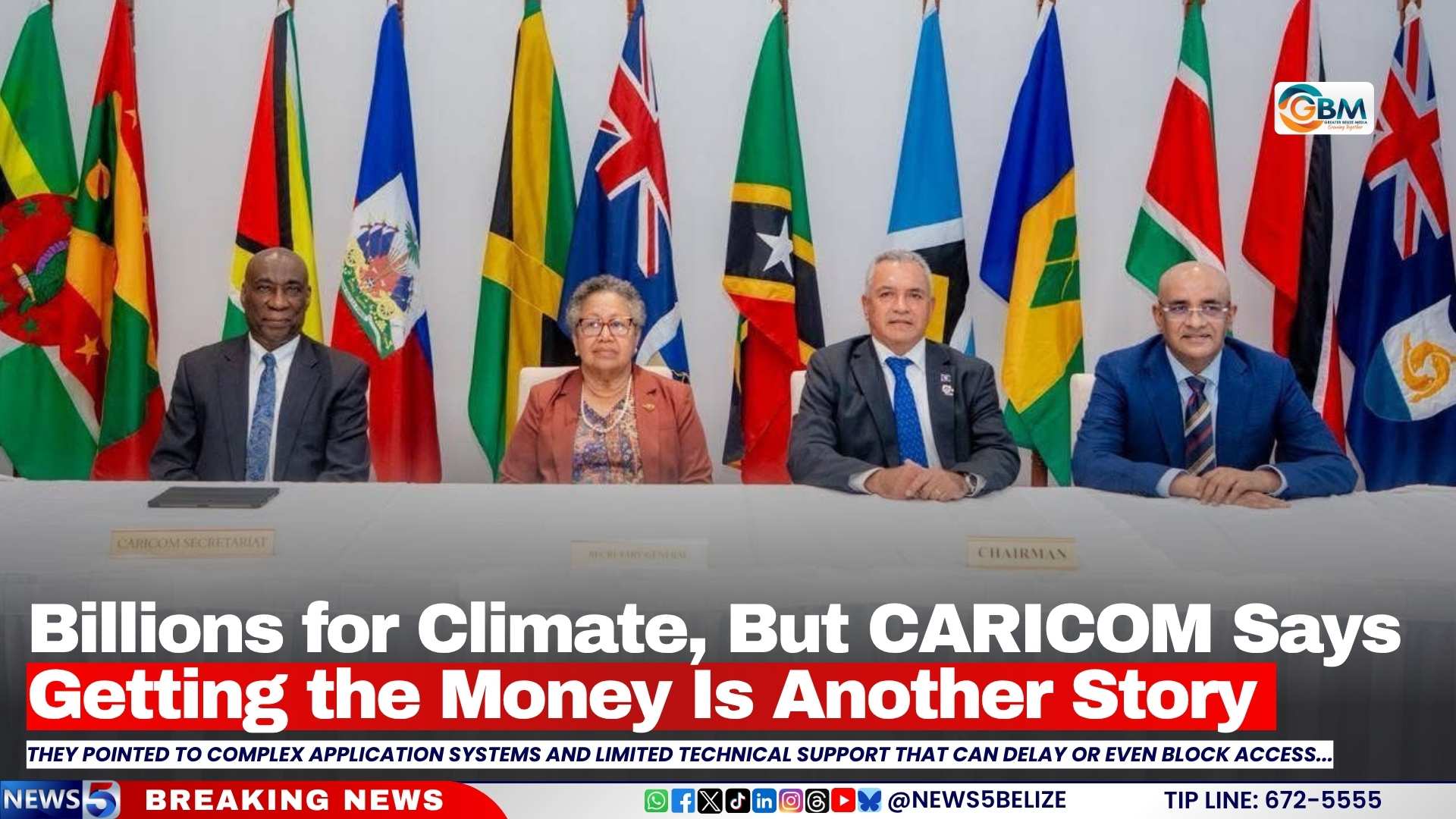
Georgetown, Guyana – Caribbean environment ministers concluded a pivotal climate summit this week with a unified message: global climate financing promises remain largely inaccessible to the nations most vulnerable to environmental threats. The 124th Special Meeting of CARICOM’s Council for Trade and Economic Development (COTED), held from March 26-27, 2026, highlighted the critical implementation gap between international commitments and on-the-ground realities.
Belize’s Minister of Sustainable Development and Climate Change, Orlando Habet, who chaired the proceedings, emphasized the region’s role as “the bridge between global commitments and local implementation” during opening remarks. The central theme emerging from the two-day conference was the profound difficulty Caribbean nations face in securing previously pledged billions in climate adaptation funding from wealthy nations and international financial institutions.
Ministers identified complex application procedures and insufficient technical support as primary barriers preventing timely access to crucial financial resources. These bureaucratic obstacles frequently delay or completely obstruct funding streams desperately needed for climate resilience projects across island nations.
The regional body issued a collective call for simplified access mechanisms and financing instruments specifically tailored to the unique circumstances of smaller developing states. With COP31 scheduled for November 2026, CARICOM has positioned itself to demand concrete action, declaring that the upcoming UN climate summit must transform into an ‘implementation COP’ focused on delivering tangible outcomes for vulnerable nations rather than further declarations of intent.