The United Progressive Party (UPP) of Antigua and Barbuda stands at a critical juncture, grappling with profound internal divisions that challenge its viability as a credible political force. Despite being treated by some as a government-in-waiting, the party’s recent trajectory reveals a pattern of electoral rejection and organizational dysfunction that undermines its claim to leadership.
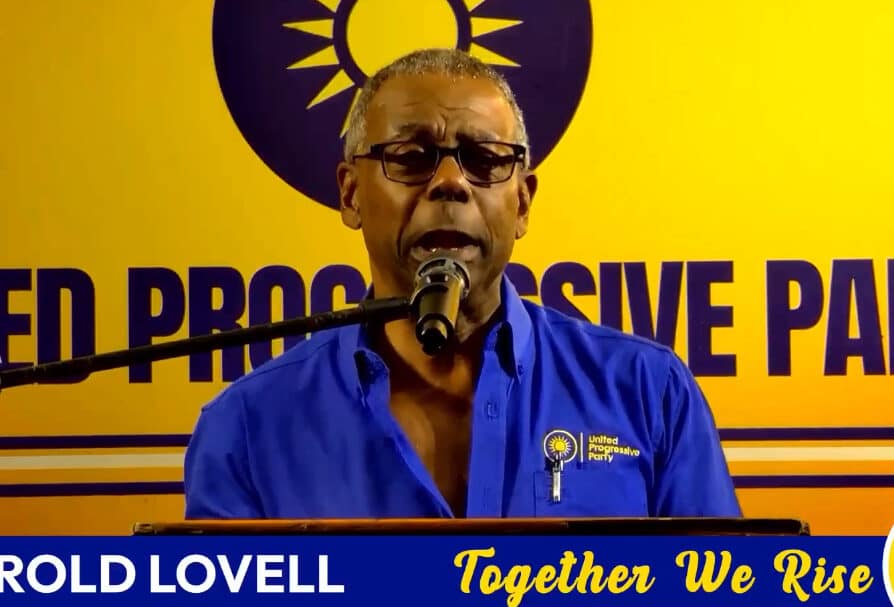
Central to the UPP’s troubles is its unresolved leadership crisis. Harold Lovell, the party’s longstanding political leader and economic spokesman, has suffered three consecutive electoral defeats, including in his own constituency of St. John’s City East. Rather than prompting renewal, this rejection has created a power vacuum filled ambiguously by Jamale Pringle as parliamentary leader. However, Pringle’s authority remains contested and unconsolidated, existing in a nebulous space where influence appears shared with Lovell’s enduring intellectual presence and the contentious chairmanship of Giselle Isaac-Arrindell.
This leadership triarchy has created fundamental structural weaknesses. The party’s internal culture has demonstrated inability to manage dissent constructively, as evidenced by the previous rupture with Joanne Massiah that exposed organizational fragility. Rather than addressing these weaknesses, the UPP operates in a state of managed contradiction—presenting Pringle as leader while preserving Lovell’s influence, defending unity while responding to internal tensions, and projecting readiness while negotiating internal hierarchy.
The consequences extend beyond internal politics to electoral performance. The UPP has consistently failed to develop the disciplined ground operations necessary for electoral success across constituencies. This reflects a broader inability to convert visibility into victory, presence into power, and noise into numerical support. Even when political opportunities arise through shifting public sentiment, the party lacks the strategic coordination and national electoral machinery to capitalize effectively.
Compounding these operational deficiencies is the party’s reactive political approach. On critical national issues—including economic diversification, digital transformation, youth employment, and social protection—the UPP engages primarily through commentary rather than substantive policy alternatives. The absence of detailed, costed plans and coherent governing frameworks undermines its claim to readiness for national leadership.
Ultimately, the UPP remains trapped in a cycle of recycled leadership, unresolved disputes, and reframed underperformance. Until the party can decisively answer fundamental questions about its identity, leadership, and purpose, it cannot credibly ask the people of Antigua and Barbuda to entrust it with governing the nation. A party that cannot unify itself cannot reasonably aspire to lead a country.